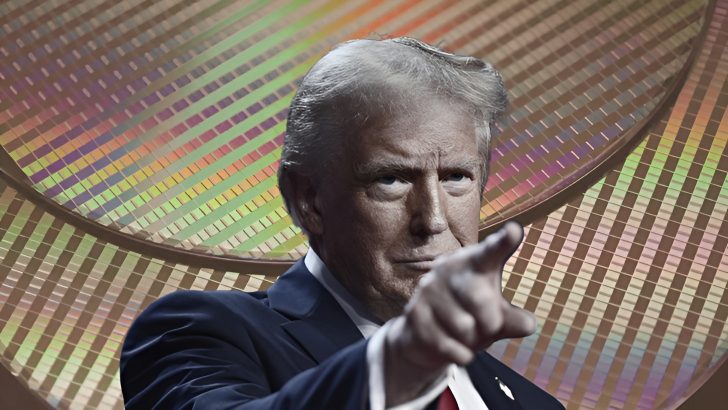
The Trump administration is gearing up to revamp some aspects of the CHIPS Act, offering incentives to manufacturers like TSMC to enhance their US investments. This move is part of a broader initiative dubbed the “Big, Beautiful Bill,” which aims to boost domestic chip production by providing more tax credits to semiconductor manufacturers.
Despite President Trump’s previous criticism of the Biden-era CHIPS Act, which he labeled a “Biden money” scheme, there is a clear shift in strategy. The focus is now on making domestic chip production a national priority. This strategy has already persuaded major players like TSMC and Micron to commit significant investments to strengthen the US chip landscape.
The proposed bill suggests increasing tax credits for semiconductor firms from 20% to 35%, although specifics are still under discussion. It’s anticipated that firms investing substantial amounts will be the primary beneficiaries of these new incentives.
Taiwan’s TSMC is leading the charge in expanding its US operations, having pledged over $100 billion in regional investments. This positions TSMC to greatly benefit from potential tax breaks. Similarly, Micron’s ambitious plan to boost its US investments to $200 billion by setting up cutting-edge memory manufacturing facilities shows their vested interest in this initiative.
President Trump’s approach to encouraging companies to establish US facilities initially involved imposing tariffs. However, the shift towards offering tax incentives reflects a realization of the power of positive reinforcement. This change in strategy marks a significant effort to enhance the nation’s chip production capabilities, with various companies moving forward on plans initially laid out under the CHIPS Act, albeit with some exceptions like Intel.