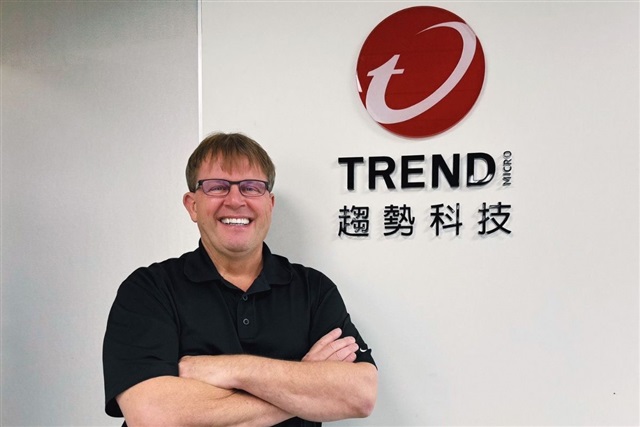
Trend Micro COO Kevin Simzer says Taiwan could play a leading role in shaping the future of AI regulation as artificial intelligence rapidly moves beyond basic automation and into more advanced, autonomous systems.
According to Simzer, AI is no longer limited to simple tools that assist with routine tasks. The technology is evolving into agentic AI, a new class of systems capable of making decisions, managing complex workflows, and acting with a higher degree of independence. This shift is creating new opportunities for businesses, governments, and consumers, but it also raises important questions about safety, accountability, transparency, and cybersecurity.
Taiwan, known globally for its strength in semiconductors, technology manufacturing, and digital innovation, is well positioned to become a model for responsible AI governance. As AI becomes more deeply integrated into industries such as finance, healthcare, manufacturing, and national infrastructure, countries need clear rules that encourage innovation while reducing risks.
Simzer’s view highlights Taiwan’s unique position in the global AI ecosystem. The island is not only a key player in the hardware supply chain that powers AI development, but it also has the technical expertise and policy environment needed to help guide how AI should be managed responsibly.
The rise of autonomous AI agents is expected to change the way organizations operate. These systems can analyze information, make recommendations, execute tasks, and interact with other software tools with limited human input. While this can improve productivity and efficiency, it also increases the need for stronger safeguards to prevent misuse, errors, data leaks, and security threats.
For cybersecurity companies like Trend Micro, the development of AI regulation is becoming increasingly important. As businesses adopt more advanced AI systems, they must also address the security challenges that come with automation and machine-driven decision-making. Strong AI governance can help ensure that these technologies are used safely and ethically.
Taiwan’s potential role as a global benchmark for AI regulation could influence how other governments approach the fast-changing technology. By balancing innovation with responsible oversight, Taiwan may help define standards for how autonomous AI systems are developed, deployed, and secured.
As artificial intelligence continues to advance, the conversation around regulation is becoming more urgent. Simzer’s comments suggest that Taiwan has an opportunity to lead not only in AI infrastructure, but also in the rules and best practices that will shape the future of trusted AI worldwide.