Apple Takes a Big AI Leap at WWDC 2026 With New Siri, Smarter Apple Intelligence, and Google Cloud Support
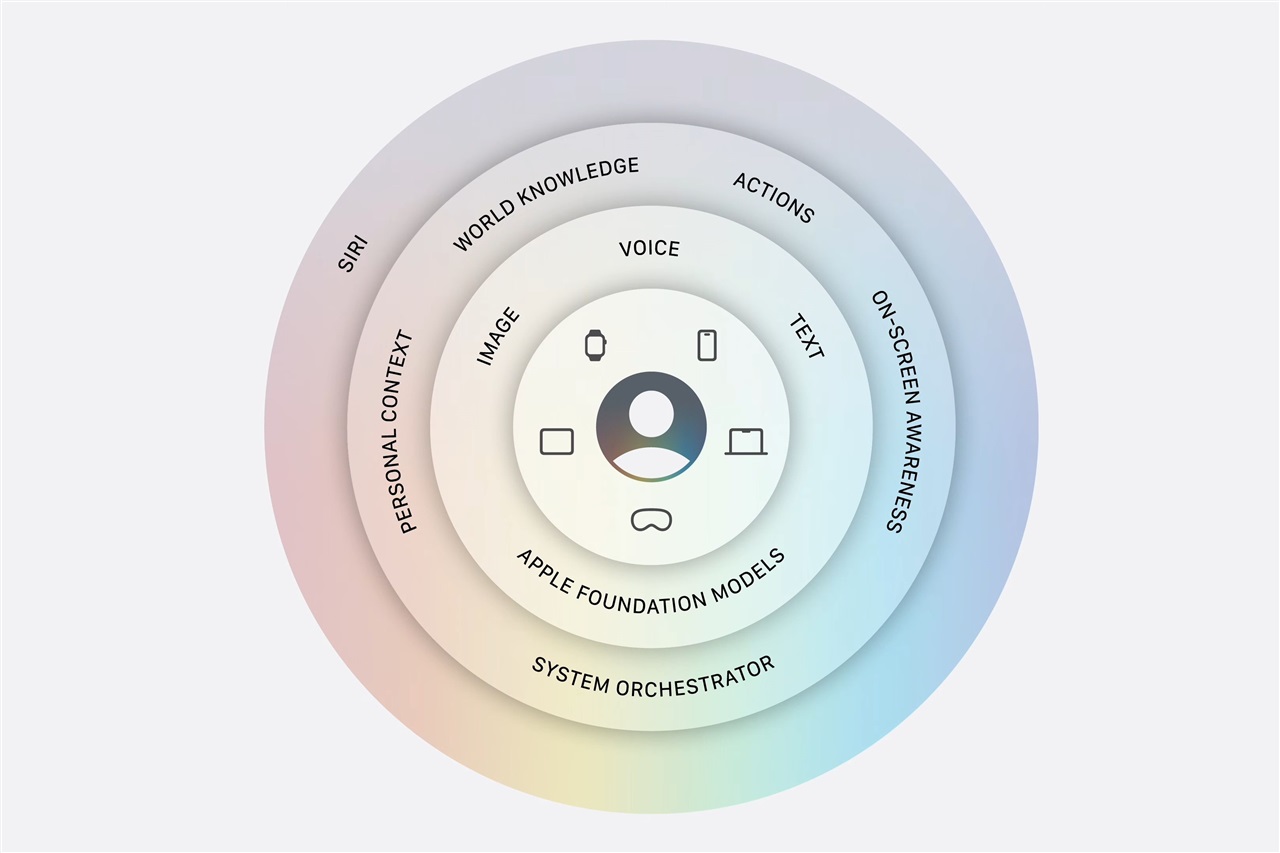
Apple used WWDC 2026 to introduce its third-generation foundation models, signaling one of the company’s most important artificial intelligence updates yet. The announcement highlights a major shift in how Apple plans to deliver AI features across iPhone, iPad, Mac, and other devices, with a stronger focus on smarter assistance, deeper system integration, and more powerful cloud-based processing.
At the center of the update is a new version of Siri. Apple’s voice assistant is expected to become more capable, more natural, and more useful in everyday situations. Instead of simply responding to basic commands, the upgraded Siri is designed to better understand context, handle more complex requests, and work more closely with apps and system features.
This could make Siri feel less like a traditional voice tool and more like a true personal assistant. Users may be able to ask for help with tasks across multiple apps, find information faster, summarize content, manage schedules, and perform actions with fewer steps.
Apple Intelligence also appears to be moving deeper into the Apple ecosystem. Rather than existing as a separate set of AI features, Apple’s foundation models are being built into the core experience of its devices. That means users could see smarter suggestions, improved writing tools, better image and content understanding, and more personalized assistance throughout iOS, iPadOS, macOS, and other Apple platforms.
One of the most notable parts of Apple’s AI strategy is its reported move to use Google Cloud for some Private Cloud Compute workloads. This is a significant development because Apple has traditionally emphasized tight control over its hardware, software, and services. By relying on Google Cloud infrastructure for certain AI processing needs, Apple may be looking to scale its AI capabilities faster while still maintaining its privacy-focused approach.
Private Cloud Compute is especially important because many advanced AI features require more processing power than a device can provide on its own. Apple’s approach aims to handle sensitive requests securely, giving users the benefits of cloud-based intelligence without abandoning privacy protections.
For everyday users, this could mean faster and more capable AI features without requiring every task to run directly on the device. More advanced Siri responses, better content generation, smarter app actions, and improved personal assistance may all benefit from this expanded infrastructure.
The announcement also shows that Apple is becoming more aggressive in the artificial intelligence race. While the company has often taken a slower, more controlled approach to new technologies, WWDC 2026 suggests Apple is ready to make AI a central part of its product experience.
With third-generation foundation models, a redesigned Siri experience, broader Apple Intelligence integration, and cloud support from Google’s infrastructure, Apple is preparing for a future where AI becomes a core part of how users interact with their devices.
If Apple can combine powerful AI tools with its usual focus on privacy, security, and ease of use, WWDC 2026 may be remembered as a turning point for the company’s artificial intelligence ambitions.