The United States has faced challenges in curbing the transfer of AI chips to China through export controls, sparking discussions about adopting alternative strategies. Despite efforts, China’s AI development remains largely unaffected, partly due to domestically produced alternatives from companies like Huawei and persistent access to AI chips via trade loopholes. In response, the US is considering new measures to limit chip exports to China.
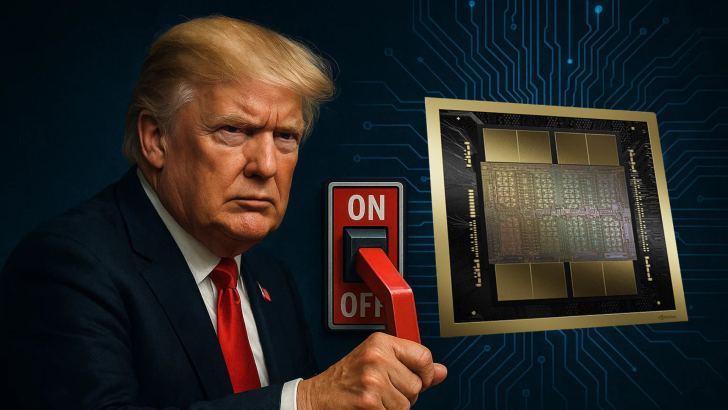
A notable proposal comes from US lawmaker Bill Foster, a Democrat from Illinois, who suggests tracking AI chip exports from NVIDIA by integrating a built-in mechanism. This approach aims to monitor chip usage and potentially disable them if used without the proper license. According to Foster, the urgency is real: the concern is that China’s capabilities in artificial general intelligence and weaponry could parallel the immediacy and impact of nuclear technology.
Foster, drawing from his background as a particle physicist with chip design experience, is advocating for legislation that empowers the US to manage these tech exports more effectively. The proposed “kill switch” in AI accelerators would allow the US to render the chips inoperative if necessary, addressing instances where entities use them illegitimately.
NVIDIA, on the other hand, claims it cannot track the export of its chips, noting that China’s access remains unresolved due to existing loopholes. Given AI’s rising significance as a national security concern, innovative strategies like Foster’s proposal are being seriously considered. In light of past surprises from US administrations, introducing such a “kill switch” seems plausible and possibly essential for effective regulation.
As developments unfold, it is clear that the US needs a robust solution to manage chip exports—one that aligns with both national security interests and novel legislative measures.