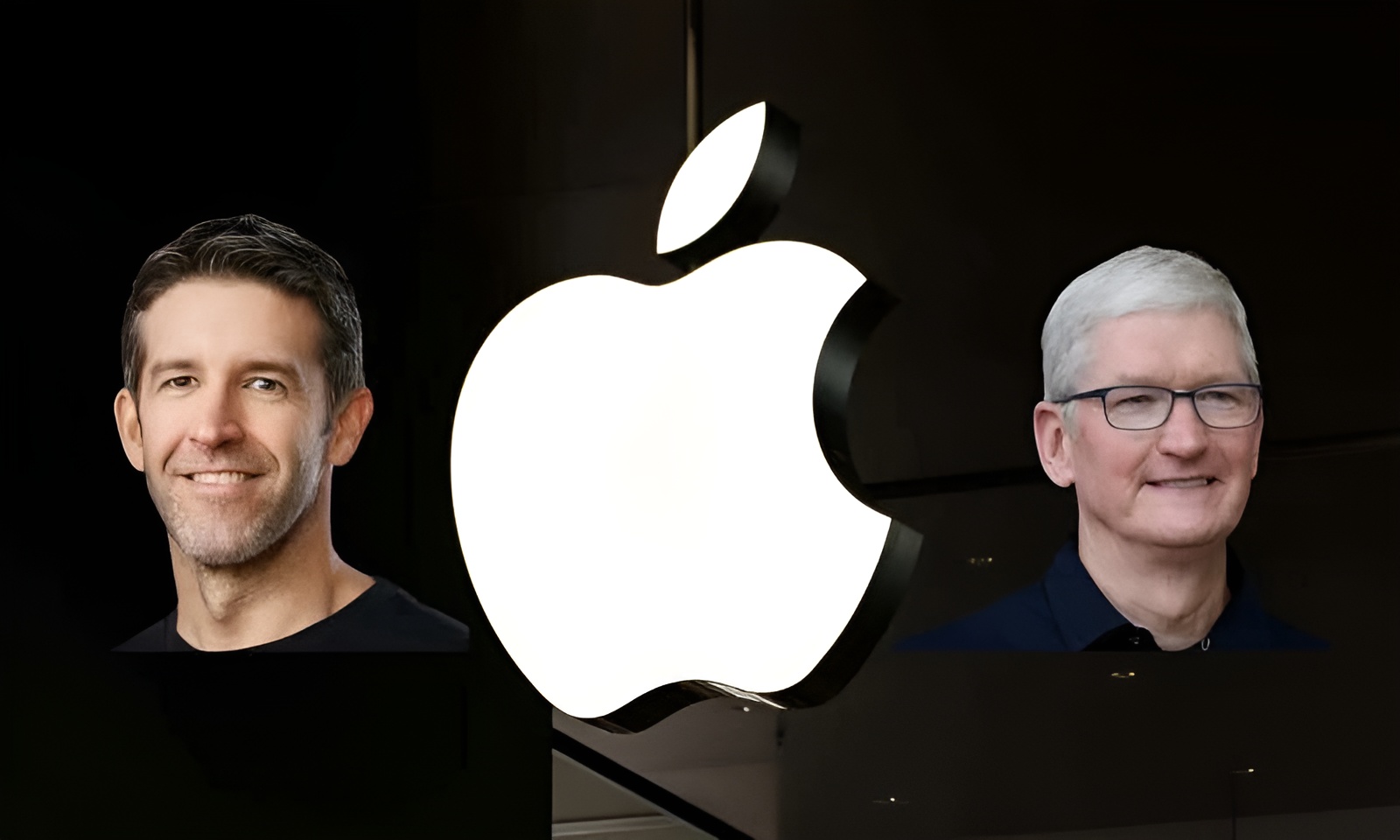
Apple is heading into one of its most important leadership transitions in more than a decade, marked by top-level executive change and a noticeable internal strategy reset. The shift is big enough to draw comparisons to the post–Steve Jobs era, especially as Apple works to reassure investors and employees that the company’s momentum won’t slow down.
On April 20, Apple confirmed that Tim Cook will step down as CEO effective September 1, 2026. He won’t be leaving Apple entirely, though. Cook is set to become Executive Chairman of the board, keeping him closely connected to the company’s long-term direction. Taking over the CEO role in September 2026 will be John Ternus, a key leader on the hardware side who is now positioned to guide Apple through its next phase.
Cook has reportedly been direct about why he believes now is the right time. His message centers on three points meant to steady confidence inside and outside the company. First, he believes Apple’s financial position is strong and resilient, giving the business a stable foundation even if global markets stay volatile. Second, he’s leaning heavily on what he describes as an “incredible” product roadmap—suggesting that major plans are already in motion and that the transition is happening from a position of strength rather than uncertainty. Third, Cook has indicated he sees Ternus as ready to lead, framing the move as a deliberate handoff rather than a sudden change.
At the same time, Apple’s internal operations appear to be shifting in a way that signals where the next CEO’s priorities may land. Recent reports describe Apple significantly expanding its use of AI tools across internal workflows, particularly for teams tied to global sourcing and business development. Those groups have reportedly been given daily budgets that can reach hundreds of dollars in AI tokens for Claude, indicating that AI usage isn’t just being encouraged—it’s being operationalized and tracked.
Even more telling is how AI adoption is said to be influencing staffing decisions. Backfill requests—approvals to replace employees or add headcount—are reportedly becoming linked to a team’s AI usage. In other words, teams that actively incorporate AI into daily work may be treated more favorably, while teams that don’t use their allotted AI token budgets could face higher denial rates when requesting additional hiring support.
Newer details suggest this AI push goes beyond administrative tasks and is now touching Apple’s core product engine. Ternus is reportedly reorganizing the hardware engineering organization around a new AI platform designed to speed up product development and improve quality. If accurate, that points to a future where AI isn’t treated as a side initiative, but as a foundational layer that influences how Apple designs, tests, and ships hardware.
Taken together, the leadership change and the internal AI overhaul paint a clear picture of what Apple wants the next chapter to look like: a carefully timed CEO transition, backed by strong financial confidence, and paired with a company-wide push to make AI central to productivity and execution. With Cook moving into an Executive Chairman role and Ternus preparing to take the helm in September 2026, Apple appears to be setting the stage for a new era—one built on continuity at the top and faster, AI-driven decision-making throughout the organization.