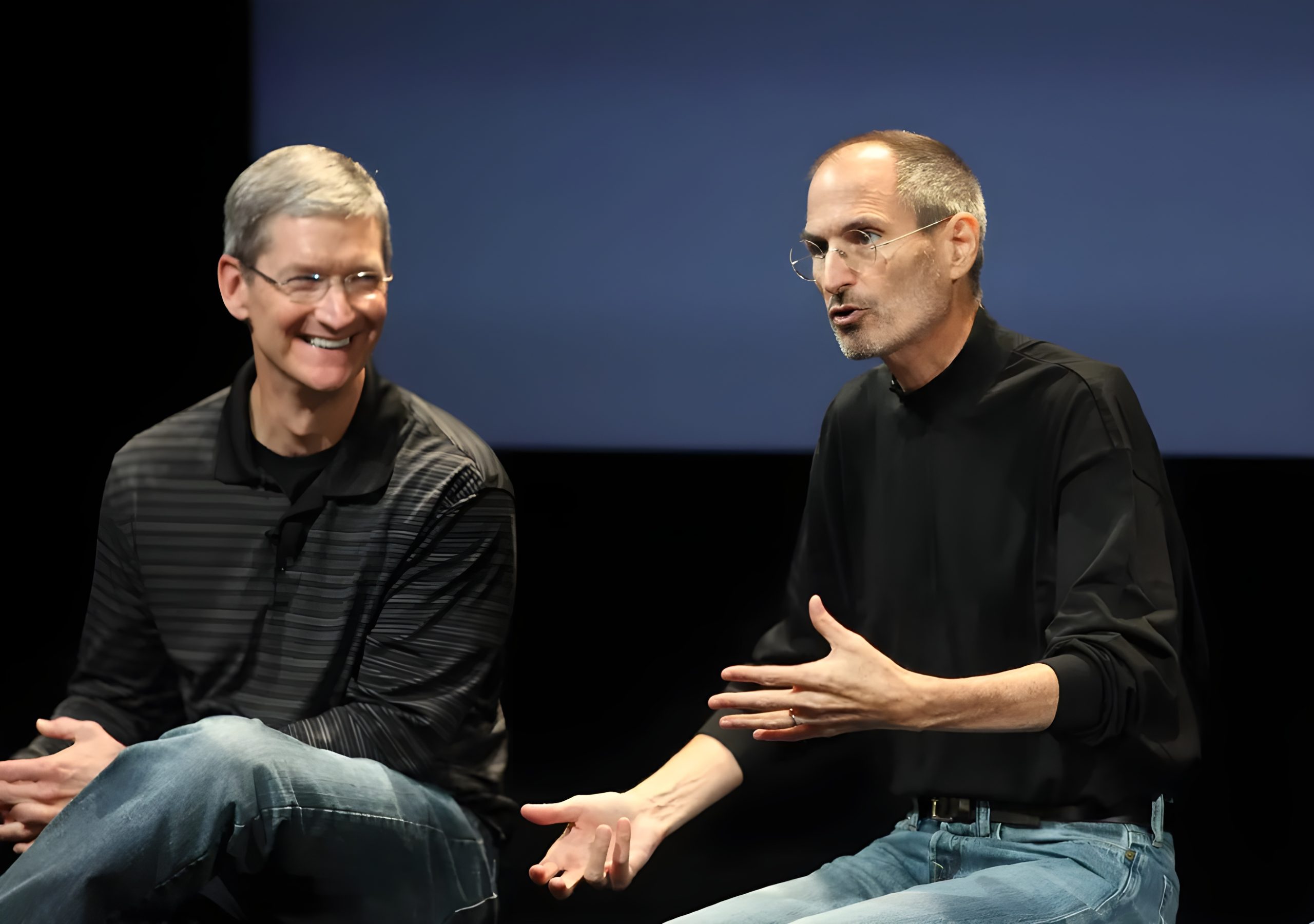
Steve Jobs, Tim Cook, and the September 16 Turning Point in Apple’s Story
Corporate growth often hinges on more than clever products and perfect timing. It also rides on the power of personality. Few examples make this clearer than Steve Jobs, whose singular vision and intensity helped propel Apple from near-collapse to the pinnacle of the global tech industry.
That legacy casts a long shadow. Tim Cook, Apple’s current CEO, is frequently labeled a steadier, less charismatic steward. The irony is hard to miss: under Cook, Apple’s market value has swelled to a scale equal to more than a tenth of U.S. GDP. Yet many still argue the company feels stalled in key ways without its original showman at the helm.
September 16: A date that keeps showing up in Apple’s fate
Apple’s founding lore is familiar—Jobs and Steve Wozniak building the company from a garage in 1976. Less remembered is the bruising power struggle that followed less than a decade later. By 1985, Jobs and then-CEO John Sculley were clashing over the Lisa and Macintosh amid disappointing sales. Jobs lost that battle, was pushed out of the Macintosh group, and ultimately exited Apple after a fiery showdown with the board.
What followed shaped Apple’s future. Jobs founded NeXT, a premium computer company whose software would later form the backbone of Apple’s modern operating systems. By 1996, NeXT needed a lifeline. Apple acquired the company—on September 16—setting the stage for Jobs’ return. Not long after, with Apple in turmoil and its stock under pressure, the board replaced Gil Amelio with Jobs. A decade later, the iPhone arrived and rewrote the rules of the consumer tech industry.
The Cook era: record value, steadier products, sharper debates
Tim Cook took over in 2011, and Apple’s stock has surged more than 1,500 percent since. That’s a colossal win for investors. But underneath the market cap headlines, the growth story is more nuanced.
iPhone unit sales have largely plateaued since 2015, hovering between roughly 200 million and just under 250 million units annually, based on industry estimates. Apple has kept revenue climbing largely through a combination of higher average selling prices and the rise of its services ecosystem, which includes the App Store, subscriptions, and financial services. The strategy works, but it underscores the shift from explosive hardware growth to a more mature, monetization-focused model.
Critics also question Apple’s capital allocation and leadership cost. One analysis estimates Cook’s pay currently equates to about $529,000 for every 1 percent of average annual total stock return, compared with a far lower figure for some peers. At the same time, Apple is set to spend around $100 billion on share repurchases in 2025 alone. Supporters see buybacks as a disciplined way to return capital; skeptics argue the money would be better deployed accelerating new categories and artificial intelligence.
AI, the Apple Car, and the opportunity cost debate
The strategic crosswinds are strongest around AI. While Apple continues to emphasize privacy-centric, on-device intelligence and has begun rolling out new features, critics contend the company has been slower than rivals in the race for generative AI leadership. The high-profile cancellation of the long-rumored Apple Car added fuel to the debate over the opportunity cost of massive buybacks versus bolder bets on the next category-defining product.
Would Jobs have made different calls in this moment? That’s an impossible question to answer—but it’s one investors, employees, and customers keep asking as Apple enters another critical chapter.
What comes next
Apple’s history shows how much a single day—or a single decision—can change its trajectory. September 16 marked Jobs’ return via NeXT, ultimately leading to Apple’s golden era. Today, the company sits on extraordinary financial firepower and an unmatched ecosystem. The challenge for Cook, or whoever leads next, is to convert that strength into breakthroughs that can stand alongside the Mac, iPod, iPhone, and Apple Watch.
Against intensifying AI competition and slowing iPhone unit growth, the path forward will be defined by how Apple balances buybacks, acquisitions, and investment in new platforms. If the company can channel its resources into a fresh wave of innovation, the next legendary date in Apple’s lore may already be on the calendar—just waiting to be written.


