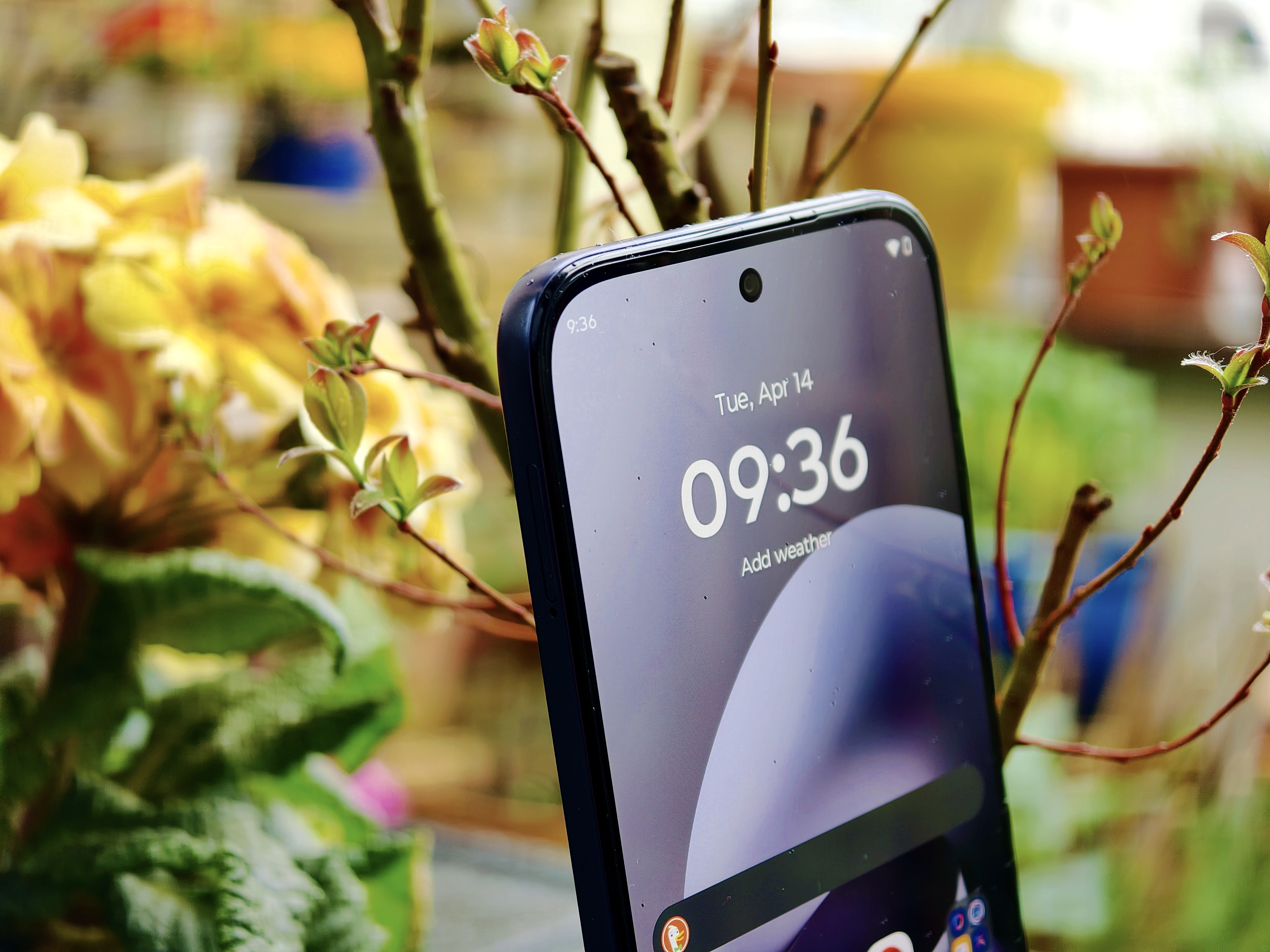
Motorola is aiming squarely at value hunters with the Moto G67, an affordable mid-range smartphone that tries to win you over with two things people care about every day: a jaw-droppingly bright display and battery life that comfortably stretches through a full day. It doesn’t get everything right, though. Performance is merely average, and the memory setup shows clear cost-cutting.
A stunning AMOLED screen for the price
The Moto G67’s biggest selling point is its 6.78-inch AMOLED display. In HDR testing, it reportedly hit a peak brightness of up to 3,599 nits, which is an eye-catching number even next to many far more expensive phones. That kind of brightness makes a real difference outdoors, where screens often struggle. Here, text stays readable in harsh sunlight, and the overall viewing experience remains clear and comfortable.
Motorola also pairs the screen with a 120Hz refresh rate, so scrolling feels fluid, animations look smoother, and the phone feels more responsive in daily use. Add Corning Gorilla Glass 7i on top, and you get extra protection against scratches and small drops—great for anyone who doesn’t want to baby their phone. Colors look vivid, contrast is strong, and the panel is clearly designed to be the Moto G67’s headline feature.
Battery life you can rely on, with a few trade-offs
The Moto G67 comes with a 5,200mAh battery, which is a strong capacity for this segment. In everyday usage, that translates into an easy all-day phone for most people, whether you’re browsing, messaging, watching videos, or using navigation. When it’s time to recharge, 30W fast charging helps get you back up and running without long waits.
There are a couple of drawbacks worth noting. If you still use wired headphones, the lack of a 3.5mm headphone jack may disappoint you (some related models in the lineup may still offer it). On top of that, reception was said to be occasionally inconsistent during testing, which could be frustrating if you travel often or depend on stable signal on the go.
Everyday performance is fine, but not a power-user phone
Under the hood, the Moto G67 uses a MediaTek processor that handles typical daily tasks reasonably well, but it isn’t immune to occasional stutters. For casual users, it will work, but anyone expecting consistently snappy performance—especially with heavier multitasking—may notice its limits.
Motorola promises four years of software updates, which sounds reassuring at first glance, but longer update policies are becoming more common elsewhere. Storage sits at 128GB, which is standard for the class, but the 4GB of RAM stands out as low in 2026 expectations. Compared with many phones from last year, it feels like a step back, likely a result of manufacturers trying to manage rising component costs—RAM pricing pressure shows through in this configuration.
Camera and build quality: better than expected in hand
The Moto G67’s 50MP main camera delivers acceptable results for its price range—good enough for everyday photos and social sharing, without setting new standards. The front camera is described as a stronger point, which is good news for selfies and video calls.
Where the phone pleasantly surprises is in the feel and finish. The back uses a soft-touch plastic that resembles leather, giving it a more premium in-hand feel than you might expect at this price. The fingerprint sensor integrated into the power button is quick and reliable, adding to the overall convenience.
Should you buy the Motorola Moto G67?
If your top priorities are a bright, smooth, large AMOLED display and dependable battery life in an affordable mid-range smartphone, the Moto G67 makes a strong argument. It also brings sturdy screen protection and a well-executed design that feels nicer than “budget” suggests.
But if you want higher performance, more RAM for multitasking, or longer long-term software support, you’ll likely be happier looking at other options. Still, at a low price, the Moto G67’s standout screen and strong endurance make it an appealing choice for anyone who values everyday usability and a great viewing experience over raw power.