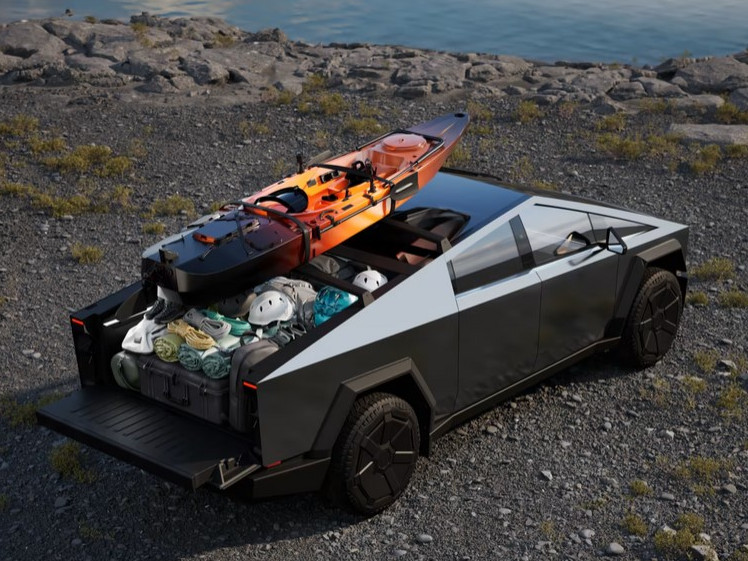
The Tesla Cybertruck has been making waves for its unique design and promises of high durability with its stainless steel exterior. However, not all stainless steel is created equal, and the type of steel used can have a significant impact on rust resistance and overall quality.
Stainless steel’s resistance to corrosion largely depends on its composition, with variables like the amount of chromium, titanium, nickel, nitrogen, and other elements determining its characteristics. Factors such as formability, hardness, and resistance to even acidic environments can vary as a result. Companies must carefully balance these properties with costs when choosing the right steel for their products, and it appears that Tesla’s choice for the Cybertruck is now under scrutiny.
Reports from several sources, such as discussions on the Cybertruck Owners Club forum, suggest that the Cybertruck’s stainless steel may not be living up to expectations. Images showing traces of rust on the vehicle raise questions about the promised durability and robustness of its outer shell.
Tesla’s own recommendations for the Cybertruck’s maintenance seem to lend credence to the concerns. The guidelines suggest that owners immediately clean off contaminants like oil or acidic substances, such as tar or bird droppings, with an alcohol-based solvent, followed by a rinse with water or pH-neutral soap. This intense cleaning regimen is recommended after every extended use, hinting at a potentially lower grade of stainless steel that’s more prone to rust.
Comparatively, the DeLorean DMC-12—another vehicle famed for its stainless steel construction—does not seem to suffer from the same rust issues, remaining resilient decades after production. While the DeLorean had its own set of mechanical problems, corrosion wasn’t prominent among them. A visit to specialized repair sites showcases original parts that remain rust-free after many years.
For Cybertruck owners concerned with rust, there may be alternatives to changing the type of steel used in its construction, which could further increase the vehicle’s cost. An option could be to professionally seal the entire body, with estimates for this service running between $5,000 and $6,000.
As the Cybertruck moves towards its market release, potential buyers will be closely monitoring these developments, hoping that their futuristic truck will not only turn heads but also stand the test of time without succumbing to the elements.