Electric vehicles (EVs) have introduced significant changes in the automotive industry, prompting companies like Vredestein and Michelin to develop tires tailored for electric cars, accommodating their unique needs and characteristics.
Michelin has a variety of EV-ready tire models in their lineup, including the Pilot Sport EV Summer tire. These models reflect the evolving requirements of electric vehicle customers. The rise of EV-specific tires comes in response to the revelation from the recent J.D. Power U.S. Original Equipment Tire Customer Satisfaction Study indicating that EV owners are often surprised by how quickly their tires wear down.
The term “the new oil change” is now associated with EV tire wear, echoing the familiar maintenance routine for internal combustion engine (ICE) vehicle owners. The substantial weight contributed by the battery packs of electric cars has played a part in US vehicles now being the heaviest on record. Additionally, with electric vehicles capable of delivering instant torque at any speed, there is a significant impact on tire longevity, leading to an accelerated wear rate.
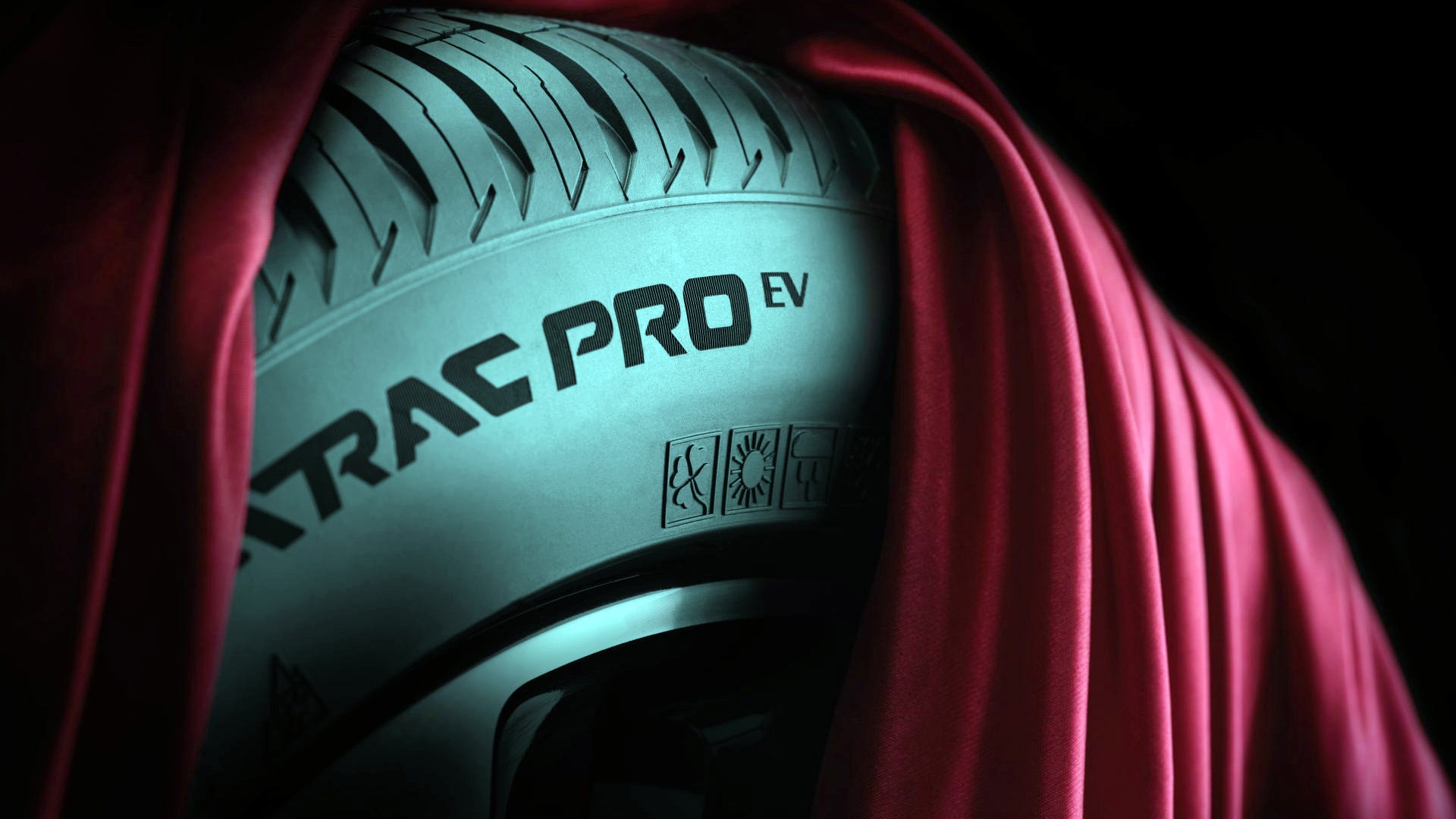
Innovation in EV tire design combines several advanced features. The Quatrac Pro EV tire from Vredestein features a blend of state-of-the-art polymers and ‘smart’ silica in the tread. This design aims for a lighter structure with enhanced rolling resistance, slimmer sidewalls, and a lighter belt. Further adjustments include steeper longitudinal grooves and a widened outside shoulder to tackle the increased cornering loads typical of EVs, ensuring resistance to deformation.
Michelin, which has outperformed competitors such as Goodyear and Continental in the 2024 tire satisfaction survey, also employs specialized technology for their EV-ready tires. A high-efficiency rubber compound on the shoulders reduces energy consumption, allowing for extended driving ranges and ensuring tires last longer, even with the additional weight from high-performance electric vehicles.
Ashley Edgar, a benchmarking director at J.D. Power, suggests that the concept of tire rotations and swaps as “the new oil change” requires better communication to EV owners. There’s a gap in awareness as EV owners tend to focus more on potential software issues rather than tire wear. The ongoing shifts in customer satisfaction between EVs and gasoline-powered vehicles indicate that there’s room for tire manufacturers and automakers to educate EV owners on the differences in tire performance.
There is also a clear challenge that needs addressing in the industry: how to balance the goal of extending vehicle range with the need for optimal tire wear for EVs. Collaboration between tire producers and automakers is crucial in striking a balance that does not compromise other aspects of tire performance, especially with the expanding EV market.
Considering these insights, electric vehicle owners can better understand the importance of tire maintenance and the advances in tire technology designed to cater to their unique needs. This understanding helps them to optimally maintain their vehicles and contribute to the shift towards more sustainable and technologically advanced transportation.