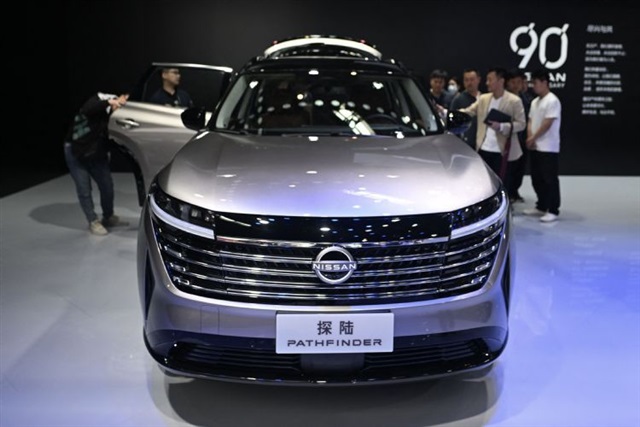
Dongfeng Nissan, the Chinese joint venture of automotive giant Nissan Motor, has taken a significant step in adapting to the evolving automotive landscape by closing down one of its gasoline car plants in Changzhou. This move underscores the company’s strategy to restructure its operations and prioritize electric vehicles (EVs), aligning with the rapidly growing EV market in China, the world’s largest car market.
This development is a part of Nissan’s broader efforts to optimize its performance and position in the Chinese automotive sector. As consumers and governments alike push for more environmentally friendly transportation options, traditional automakers are transitioning from internal combustion engine (ICE) vehicles toward electric and hybrid models. Nissan’s decision to shutter a gasoline vehicle production plant indicates a response to these market dynamics, focusing on the future of mobility and the company’s long-term sustainability.
For those interested in the automotive industry’s shift toward electric vehicles, this is a pertinent case study of how established car manufacturers are responding to market demands and regulatory pressures. It also offers insights into strategic decision-making processes within the automotive industry.
The transition towards EVs is not only essential for environmental reasons but also due to the competitive advantages it offers. EVs generally have lower running costs, benefit from various government incentives, and meet the rising consumer demand for green products.
Practical advice for interested parties would be to keep an eye on the industry’s evolving landscape, adjusting business strategies or investment decisions accordingly. Automotive businesses, for instance, may need to consider how they can pivot their operations to accommodate the production of EVs.
As a consumer, if you are considering purchasing a new vehicle, it’s worth exploring the benefits of electric cars. These include not only the positive environmental impact but also potential savings on fuel and maintenance in the long run. With manufacturers like Dongfeng Nissan adapting to the electric market, the availability and variety of EVs are likely to increase, providing you with a wider range of options.
Moreover, individuals pursuing careers in the automotive sector should acknowledge the uptick in demand for skills related to electric vehicle technology, battery systems, and sustainable engineering. Staying abreast of recent trends and developments, such as Dongfeng Nissan’s shift, could provide new pathways for professional growth and opportunities in an industry undergoing a significant transformation.
In conclusion, Dongfeng Nissan’s approach to phase out gasoline vehicle production is indicative of the larger industry trend towards electric mobility. As companies continue to adapt, it’s essential to monitor these changes and reflect upon how they impact businesses, consumers, and the job market, while also contributing to a more sustainable future.