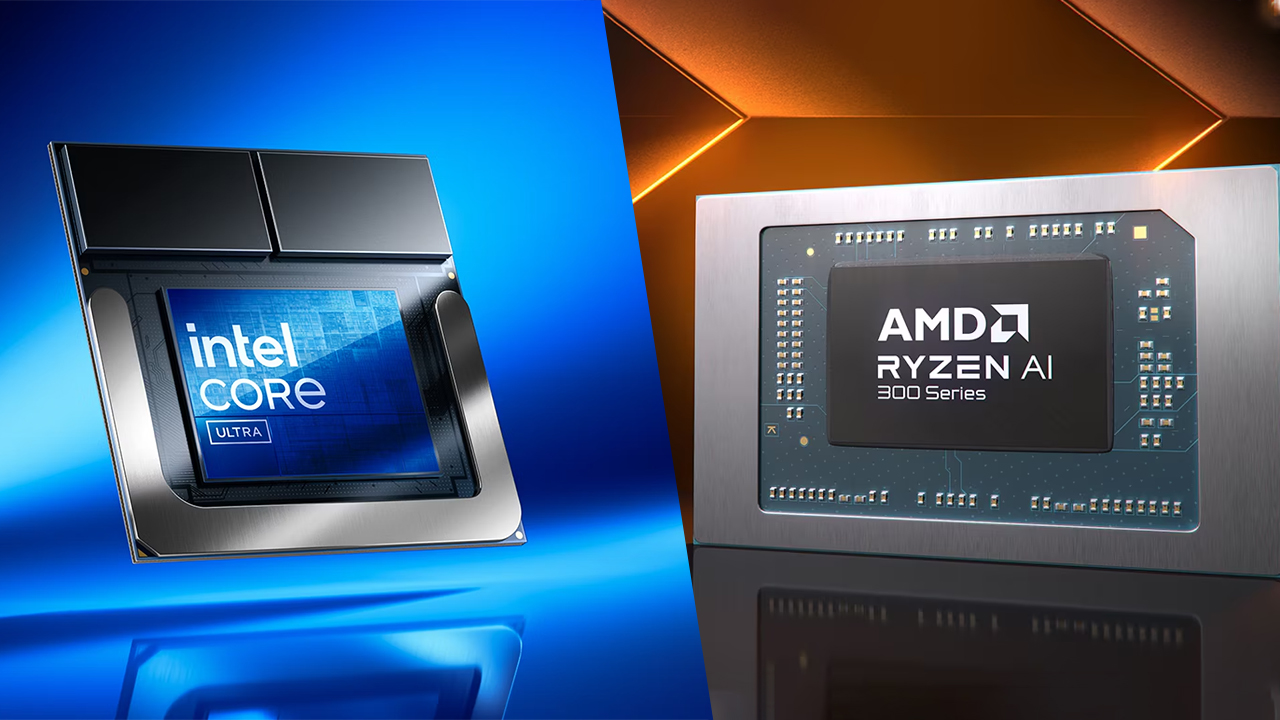
In the rapidly evolving world of technology, the race to deliver the best bang for your buck in laptops has led to a fascinating turn of events. Traditionally, high-performance processors were expected to command a hefty price tag, but recent moves by tech giants paint a different picture.
Intel has been consistently pushing their Ultra 5 series at a bulk price of $363 for business clients. However, when manufacturers and retailers factor in necessary components like displays, memory, storage, and other essentials like wireless connectivity and batteries, the final consumer price is soaring to new heights. What was once a $500 or €/£450 threshold for a decent laptop is now a distant memory, with many budget laptops priced around $700 offering older generation processors.
A simple search online reveals an interesting mix of options. Laptops under $700 are primarily powered by Intel’s 11th and 12th gen chips, with an occasional, eye-catching marketing ploy naming dual-core Celerons as “AI Powered.” These older processors are still in circulation, long after their production ceased, highlighting a reliance on yesterday’s silicon to meet budget demands.
On the AMD front, the Ryzen 5000 series has managed to stay relevant. Chips like the Ryzen 3 5300U and Ryzen 5 5500U have carved out a niche, offering a great value proposition with their combination of efficiency and performance. Yet, even these reliable performers are facing obsolescence, as AMD’s Vega graphics are rapidly approaching their end-of-life.
An additional wrinkle in this scenario is Microsoft’s Windows 11, which has set stringent requirements that exclude older hardware, leaving many users with otherwise capable machines in a tricky situation. This move has sparked discussions about the tech industry’s approach to innovation versus sustainability.
Ultimately, the landscape is shifting, with both Intel and AMD caught between advancing technology and consumers’ budget constraints. As older generations linger on store shelves longer, consumers are caught between affordability and cutting-edge performance. For tech enthusiasts and casual users alike, navigating these waters requires a keen eye on both specifications and future-proofing needs.