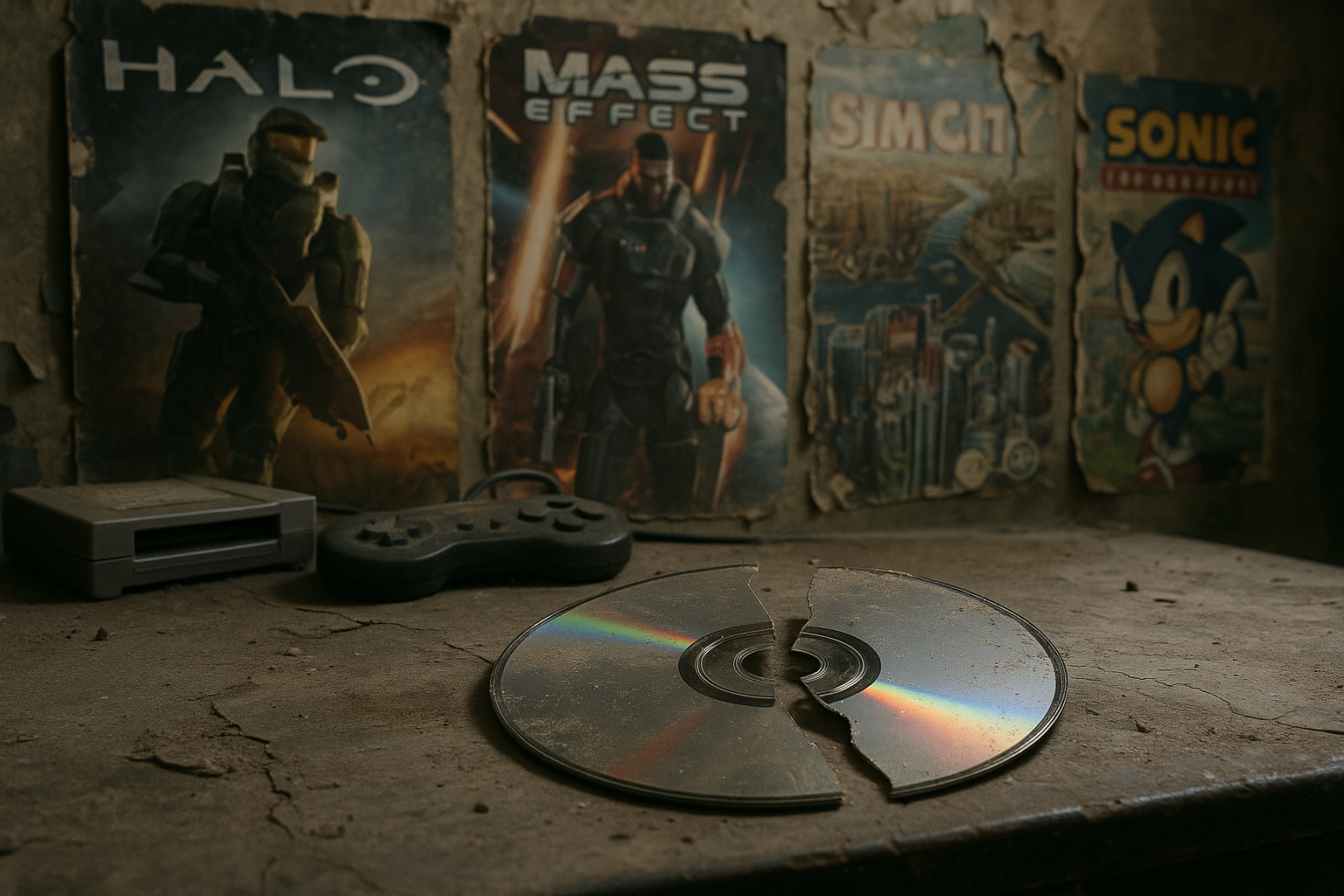
One shaky sequel can do lasting damage to a beloved franchise. That idea is fueling a fast-growing discussion on Reddit, where thousands of players are sharing the entries that, in their view, derailed entire series and dented trust in the studios behind them.
A thread titled “Which entry to a game series was so bad it spoiled the name of its whole legacy and faith in the developers?” pulled in over 900 comments in just 12 hours. The tone is less rage and more postmortem: what went wrong, why fans felt burned, and how tough it is to rebuild confidence once expectations are shattered.
The original poster pointed to Halo 5: Guardians and Borderlands 3 as personal low points. Both are sequels to landmark franchises, which only raised the bar. While the gameplay had its defenders, weak storytelling was enough, they said, to break the spell and make them question future releases.
The most upvoted reply singled out Kerbal Space Program 2 and Payday 3 as major letdowns. Commenters argue both launched as clear steps back from their predecessors, with technical issues and thinner content overshadowing the promise of modern sequels. Whether or not patches improve the experience, first impressions dominated the narrative.
Beyond individual titles, the conversation keeps returning to industry-wide patterns that fans say are dragging series reputations down:
– Live-service pivots that replace creative risks with repetitive grinds
– Aggressive monetization and intrusive microtransactions
– Shaky launches with performance problems or missing features
– Sequel design that cuts or simplifies what made earlier entries special
– Marketing hype and broken promises that sour long-term goodwill
Several replies called out how hard it is to restore trust once it’s lost. Games that made real strides after rocky debuts—Cyberpunk 2077 and Star Wars Battlefront II are frequent examples—still carry the weight of their launch narratives years later. As one user put it, “The community doesn’t forget.”
Players also reflected on how a single stumble can reshape their relationship with a studio. Names that once felt synonymous with quality now get a wait-and-see approach. Fans say this doesn’t come from negativity for its own sake; it’s a survival tactic in an era where time and money are tight, and release-day purchases feel riskier than ever.
If there’s a silver lining, it’s that audiences still want to be won back. The thread isn’t just a list of grievances—it’s a wish list. Strong storytelling, technical polish, clear communication, and respect for what made a franchise special are the recurring asks. When those boxes are ticked, even the most skeptical fans say they’re ready to return.
Have your own example of a sequel that soured a series—or one that redeemed it? Drop it in the comments and share why it changed your outlook.