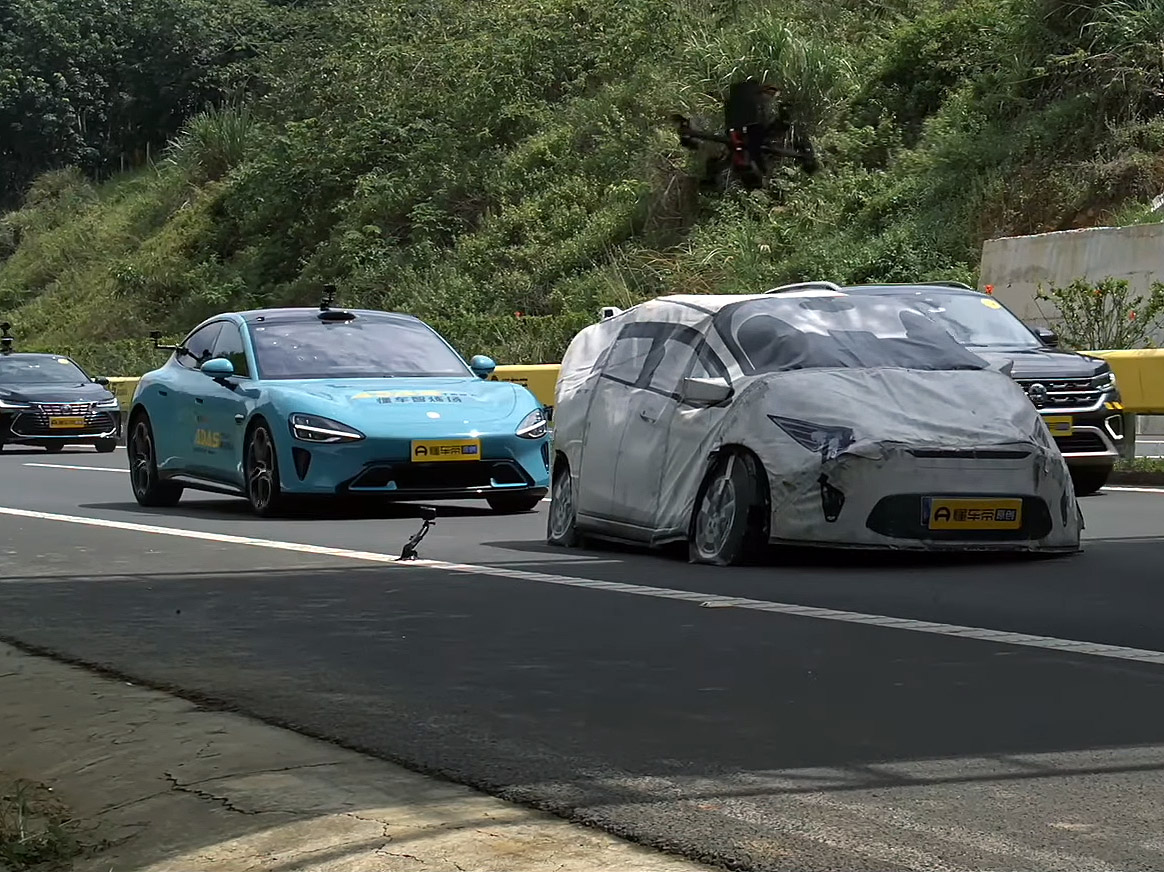
Tesla’s Full Self-Driving (FSD) system recently showcased its prowess in an independent testing event, outperforming several Chinese competitors despite the unique challenges it faces in China. The test, conducted by the same team known for their creative crash tests, saw Tesla go head-to-head with major brands like Xiaomi, Toyota, and Huawei.
While BYD offers its “Eye of God” system free with its vehicles, Tesla’s FSD remains a premium option. However, the results speak volumes about its capabilities. Even with restrictions in China that limit raw driver data exports, Tesla trains its algorithms virtually using simulators crafted from publicly available footage and test tracks. Elon Musk highlighted that one significant challenge in China is navigating complex bus lanes, which the simulator helps address.
Since launching FSD in China, Tesla has tackled difficult scenarios, including unmarked roads at night and heavy downtown traffic. In the recent tests, which included 36 vehicles and 15 challenging scenarios, Tesla emerged as the leader. The tests involved situations such as sudden appearances of children or wildlife, construction sites, and night driving. Out of 216 crashes during these trials, the Model X stood out for its flawless performance, even in the wild boar test, underlining the effectiveness of Tesla’s vision-only approach to autonomous driving.
Tesla’s ability to adapt and excel, despite the hurdles, reinforces its position in the cutting-edge realm of autonomous vehicle technology.