Tesla is poised to revolutionize the electric vehicle market by integrating its own 4680 battery cells across its bestselling US models. These innovative cells, manufactured in-house, may position Tesla as the leader in affordable EV batteries in America. By 2025, Tesla plans to roll out four distinct 4680 battery variants. These will not only power the much-anticipated Cybertruck but will also be pivotal for future models like the highly efficient Robotaxi, Model 3, and Model Y, which are known for their high sales volumes.
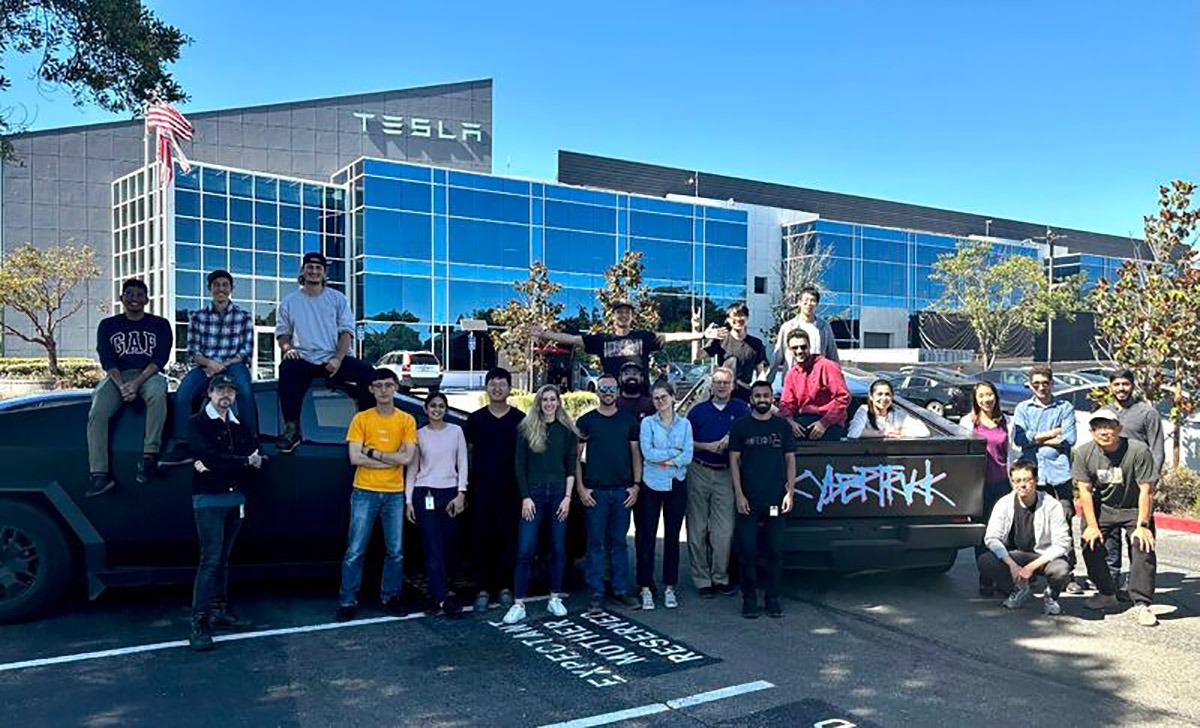
Earlier this year, Tesla faced hurdles in meeting its ambitious production goals for these batteries. This led to some significant changes, including the dismissal of their initial battery development leaders, who preferred a cautious approach. In their place, Bonne Eggleston was appointed, setting aggressive new targets from the onset. This strategic shift has yielded impressive results, with Tesla achieving a key breakthrough by successfully producing the first Cybertruck using their factory-made dry cathode cells.
With mass production lined up for 2025, Tesla is on track to deliver on its promise of reducing battery production costs by 50%, a target set during their Battery Day in 2020. This cost reduction is partially bolstered by a $45 per kWh federal incentive for US-produced batteries, alongside savings from avoiding import tariffs on overseas supplier cells. The combination of these factors could drive down the price of Tesla’s vehicles, potentially dropping them below the $30,000 threshold—making electric vehicles more accessible to a larger audience.
Despite this progress and cost-cutting potential, Tesla remains committed to sourcing batteries from external partners like Panasonic and LG to support its growing vehicle and energy storage ambitions, ensuring it can meet demand even as it expands its own production capabilities.
This strategic move by Tesla not only enhances its competitive edge in the EV market but also underscores its commitment to innovation and affordability in sustainable transportation solutions.