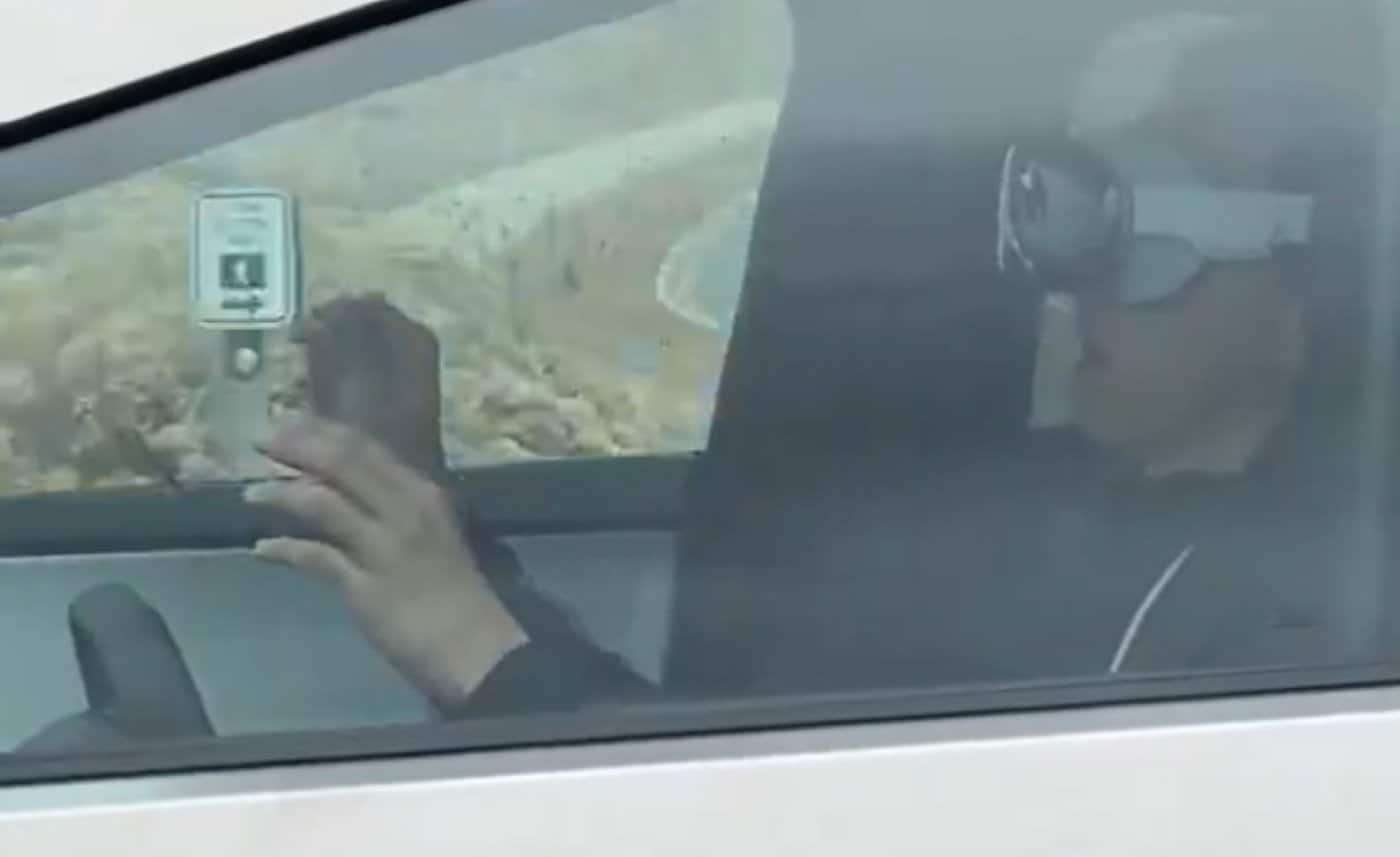
Tesla car owners are being reminded about the critical necessity of paying attention while driving, following emerging videos of drivers who’ve donned Apple’s virtual reality (VR) headsets during their commute. The issue caught the attention of the US Secretary for Transport, Pete Buttigieg, who stressed on a social media platform that even vehicles with advanced driver assistance systems still require the driver’s active attention.
In light of these incidents, of particular note are the videos that show individuals in a Tesla Cybertruck, wearing an Apple Vision Pro headset as they operate the vehicle. This behavior prompted a response from Buttigieg, pointing out the imperative for drivers to stay attentive and in control at all times, irrespective of a vehicle’s autonomous capabilities. Among the videos, one driver disclosed that his recording was actually a prank, which brings to the forefront the pressing need for heightened awareness about the perils of distracted driving.
Implications of Using Apple Vision Pro During Driving
Interactions have been sought with both Tesla and Apple on the matter. As per Tesla’s communications, the company holds firm to the principle that drivers should always be in control of their vehicles, even when autonomous functions are active. Furthermore, Apple’s own user guidance clearly cautions consumers not to use the headset while operating a motor vehicle. The convergence of novel technologies like VR into everyday driving prompts an intricate blend of safety considerations and legislative measures that both companies are being prompted to consider meticulously.
The recently launched Apple Vision Pro is marketed with a price of $3,499 in the US market. Apple’s CEO, Tim Cook, discussed the unit as a beacon of “spatial computing”, with further plans to introduce the device to Chinese consumers shortly. The technology boasts a wealth of immersive capabilities, suited for entertainment as well as work-related applications, but the company advises against using it in hazardous situations such as driving or walking along streets.
As virtual reality continues to integrate into different facets of daily life, it is increasingly essential for users to practice responsible use, particularly in contexts where safety is paramount.