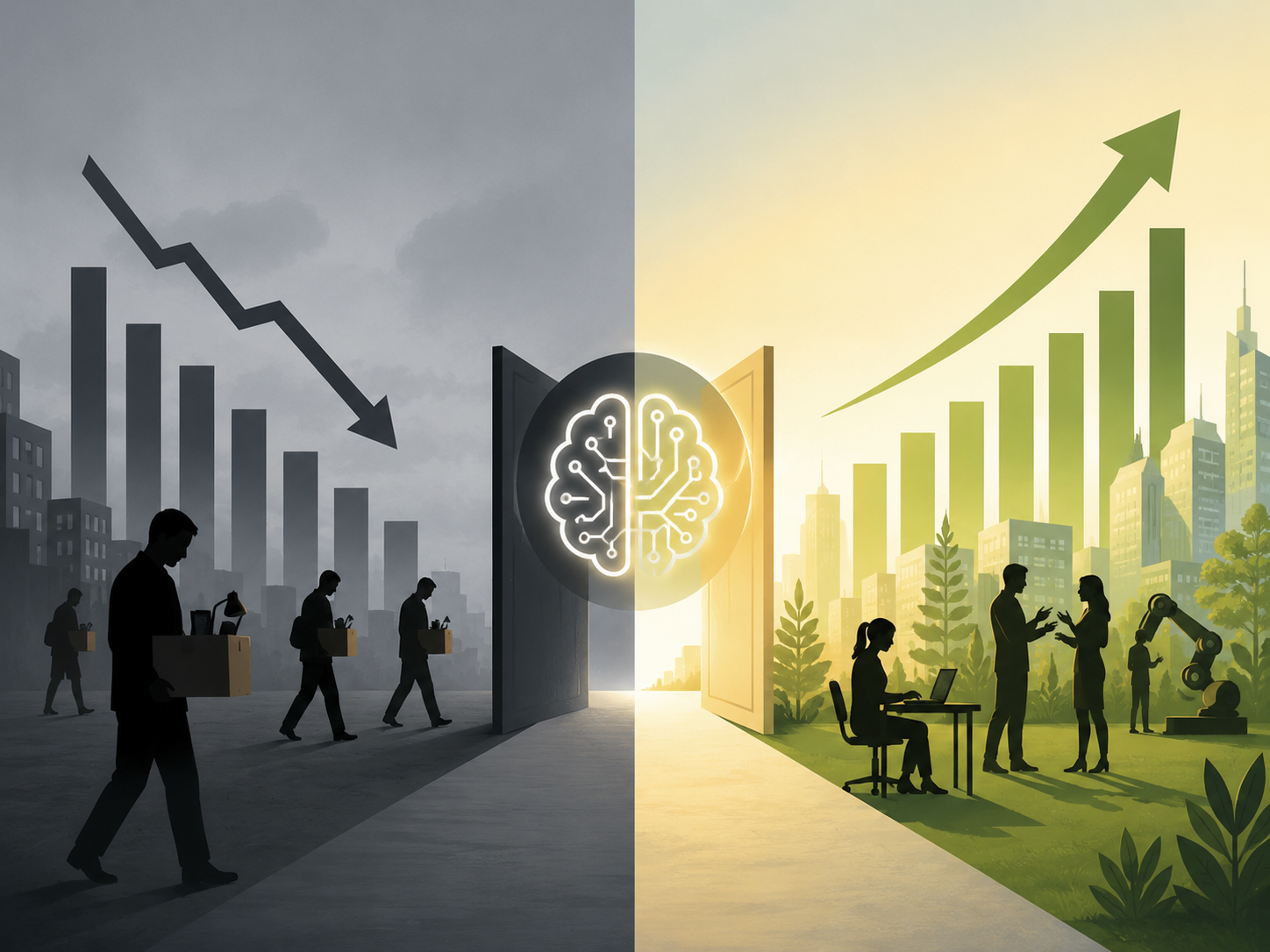
Tech layoffs in 2026 have already passed last year’s total, highlighting a major shift across the global technology industry as companies cut roles while pouring unprecedented amounts of money into artificial intelligence.
In the first seven months of 2026, more than 124,000 tech workers have lost their jobs worldwide, according to layoff tracking data. That figure has already exceeded the roughly 122,000 job cuts recorded across the entire year of 2025. The numbers show how quickly the technology sector is being reshaped after years of rapid hiring, pandemic-era expansion, and now a race to build and deploy AI at scale.
Some of the world’s largest technology companies are responsible for the biggest reductions. Oracle, Amazon, Dell, and Meta have each cut large numbers of employees, while smaller firms including Workday, GitLab, and Robinhood have also reduced their workforces by hundreds of positions. California has been hit especially hard, losing more than 16,000 tech jobs since the beginning of the year. Meta alone accounts for a significant share of those cuts in the state.
The wave of layoffs is happening at the same time that companies are dramatically increasing spending on AI infrastructure. Businesses are investing heavily in data centers, advanced chips, cloud computing capacity, and AI tools designed to automate tasks and improve productivity. Oracle is reportedly preparing to spend around $90 billion on AI-related investments in its next fiscal year, even as rising debt has raised concerns among credit analysts. Meta and Amazon have also increased their 2026 capital spending forecasts, with AI infrastructure taking up a growing share of their budgets.
Still, artificial intelligence is not the only reason behind the job cuts. Many companies say they are correcting years of overhiring that took place during the pandemic technology boom. Others are trying to simplify management structures, reduce bureaucracy, and improve efficiency. In many cases, AI investment and cost-cutting are happening together, making it difficult to separate automation-driven layoffs from broader corporate restructuring.
The impact of AI on the future of work remains one of the biggest unanswered questions in the global economy. While many workers fear that artificial intelligence will replace human labor, some research suggests the long-term outcome may be more complex. An analysis by PricewaterhouseCoopers across six continents found that companies with greater exposure to AI are often adding jobs faster than firms with lower AI exposure. The reason is that AI can help employees become more productive, create new products and services, and open up entirely new business models.
There are already signs of that split in major tech hubs. San Francisco, despite being close to the center of the layoff wave, has seen unemployment fall this year. AI-focused companies continue to hire engineers, researchers, product specialists, and operations teams as demand for generative AI systems, enterprise automation, and machine learning infrastructure grows.
This creates a complicated picture. AI may eliminate some roles, especially those built around repetitive processes or easily automated workflows. At the same time, it may create new jobs in AI safety, data management, model training, software development, chip design, cybersecurity, compliance, and human-AI collaboration. The challenge is that the jobs being lost and the jobs being created may not always require the same skills, leaving many workers under pressure to retrain quickly.
Beyond the economic impact, the rise of artificial intelligence raises deeper questions about society and the future of human work. Will AI improve human creativity and productivity, or make people too dependent on machines? Could critical thinking decline if people increasingly rely on automated systems for answers and decisions? When AI causes harm, who should be held responsible: the developer, the company, the user, or the system itself? If AI leads to greater wealth and abundance, how should those gains be shared?
The tech layoffs of 2026 show that the AI revolution is not a distant possibility. It is already changing corporate priorities, investment strategies, and career paths across the industry. For workers, companies, and governments, the central challenge will be managing that transition in a way that encourages innovation while protecting people from being left behind.