Xbox Developers Rally Against Microsoft Layoffs as Bethesda Workers Warn of a Changing Studio Culture
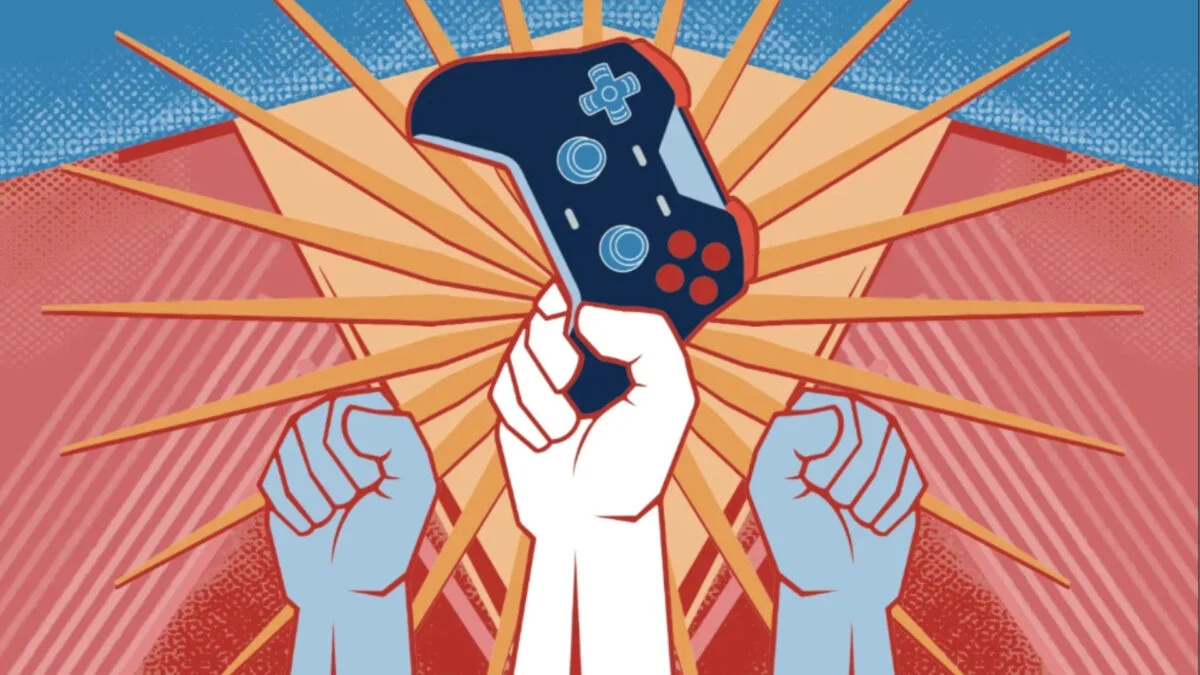
Xbox developers across the United States and Canada joined coordinated “Save Our Devs” rallies on August 18, protesting Microsoft’s latest round of job cuts across its gaming division. The demonstrations took place in nine cities and were organized by the OneBGS union, which represents Bethesda Game Studios workers, alongside the Communications Workers of America.
The protests come as Microsoft moves ahead with plans to eliminate about 3,200 Xbox jobs. Around 1,600 positions have already been cut in the first phase, with more expected before mid-2027. The cuts have shaken teams across Microsoft’s gaming business, including developers, artists, engineers, producers, researchers, and support workers tied to major franchises such as Call of Duty, Overwatch, Warcraft, and Bethesda’s own games.
Nearly 4,000 Xbox workers are now unionized under CWA representation, making the labor push one of the most significant organizing efforts in the modern video game industry. For many employees, the rallies were not only about saving jobs but also about pushing back against a culture of uncertainty that they say has grown since Microsoft acquired ZeniMax Media, Bethesda’s former parent company.
Bethesda employees say the studio once felt like a place where people could build long careers. Lead character artist Alex Nguyen described the earlier Bethesda environment as stable, with many workers expecting they might eventually retire from the studio. According to Nguyen, that changed after the Microsoft acquisition.
He said the studio previously did not have layoffs, but now workers feel as though layoffs have become a yearly occurrence. Nguyen also warned that job cuts do not only reduce headcount. They can erase years of specialized knowledge, especially when experienced developers who understand specific tools, systems, or workflows are suddenly gone. When that happens, remaining teams are often forced to relearn processes from the ground up, slowing development and adding pressure to already strained workers.
Bethesda Game Studios worker Nathan Hahn said the union attempted to address the possibility of layoffs months before the cuts happened. According to Hahn, workers submitted a proposal in February outlining how a reduction in force could be handled, but the company allegedly did not respond for four months before moving forward with layoffs anyway.
Hahn also rejected the idea that the cuts mainly affected upper management. He said many of the people impacted were the workers responsible for keeping games running day to day, including developers and support staff directly involved in production. The Communications Workers of America has since filed an unfair labor practice complaint with the National Labor Relations Board, accusing Microsoft of failing to meet its bargaining responsibilities.
The latest layoffs have intensified concerns about Microsoft’s approach to its gaming workforce. Xbox leadership has described the restructuring as part of a broader business reset, but union members argue that the impact on workers and studios has been severe. Tensions grew further when Bethesda developers staged a protest outside their offices with a giant inflatable rat after learning that Xbox leadership would be visiting to review a build of The Elder Scrolls VI.
Union protections have differed across Microsoft’s gaming teams. OneBGS gained recognition in August 2024, while Bethesda Game Studios Montreal also organized. Workers at id Software unionized later, but newer unions have had less time to secure first contracts with stronger protections. Microsoft’s earlier labor neutrality agreement with the CWA did not include a firm timeline for completing those contracts, leaving some newly organized groups more exposed during the current wave of layoffs.
By contrast, some unionized groups with existing agreements have stronger safeguards, such as advance-notice rules and recall rights. Those protections can make a major difference during workforce reductions, giving employees more clarity and potential paths back to work.
Despite the uncertainty, workers involved in the rallies say the organizing effort has strengthened. Hahn said morale around collective action is rising, even as day-to-day workplace morale has fallen. For many Xbox and Bethesda employees, the “Save Our Devs” rallies represent a larger fight over the future of game development, job stability, and whether major studios can protect the people who build some of the industry’s biggest games.