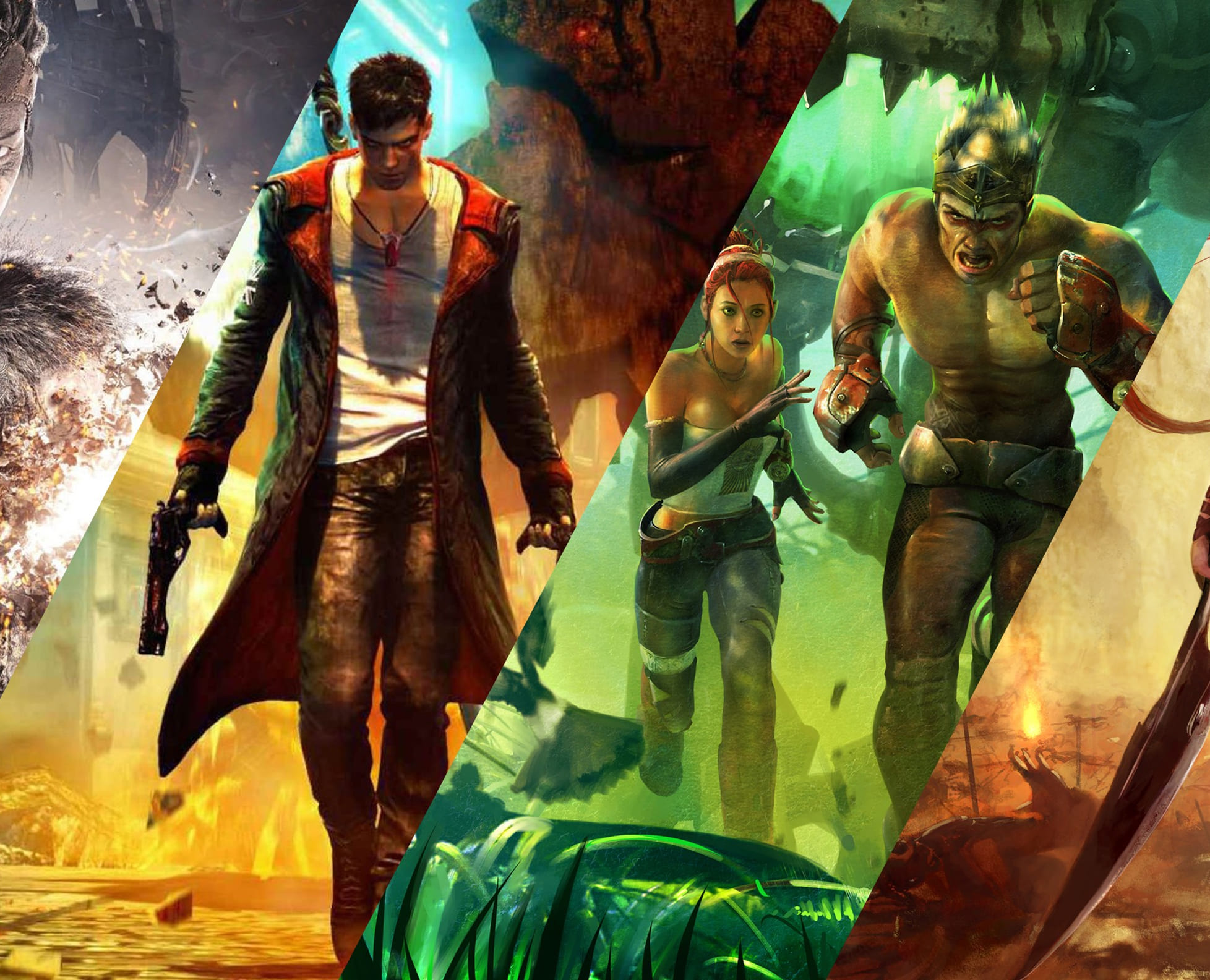
Microsoft’s Xbox Shake-Up Could Put Ninja Theory, Double Fine, and Compulsion Games at Risk
Microsoft is reportedly preparing for one of the biggest Xbox Game Studios shake-ups in years, with several well-known developers facing uncertain futures as the company rethinks its gaming strategy.
Reports suggest that Ninja Theory, Double Fine, and Compulsion Games could either be shut down or sold as part of a major restructuring inside Microsoft’s gaming division. The move comes during a broader reset under newly appointed Xbox CEO Asha Sharma, who is said to be reviewing the company’s studio network after years of major acquisitions, layoffs, and shifting business priorities.
The reported changes have sent shockwaves through Xbox fans, especially because these studios are not minor names. Each one has built a strong identity around creative, story-driven, and often experimental games that helped define Microsoft’s push into diverse first-party content.
Ninja Theory, the UK-based studio best known for Hellblade and Senua’s Saga: Hellblade II, is reportedly among the teams most directly affected. The studio was allegedly informed that it would be shutting down, though the team is said to be searching for a buyer that could allow it to continue operating.
That news is especially surprising because Ninja Theory recently teased a new Senua-related project planned for 2027 during Xbox’s summer showcase. For many players, the studio represents exactly the kind of cinematic, emotionally driven game development that helped Xbox broaden its appeal beyond blockbuster shooters and racing franchises.
Double Fine is also reportedly fighting to stay alive. Founded by Tim Schafer in 2000, the studio has long been celebrated for its offbeat humor, distinctive art direction, and cult-favorite games such as Psychonauts, Broken Age, and Brütal Legend. Instead of waiting for a final decision, Double Fine is reportedly trying to buy itself back from Microsoft and return to independent development.
Compulsion Games, the Montreal-based developer behind We Happy Few and South of Midnight, is reportedly pursuing a similar path. The studio is said to be negotiating a spin-off deal that would help it avoid closure and continue making games outside Microsoft’s direct control.
The situation appears to extend beyond just these three studios. Other teams within Xbox Game Studios are reportedly trying to secure their own futures as Microsoft evaluates which developers fit into its new long-term plan.
At the center of the restructuring is what has been described as a 100-day reset for Xbox. According to internal messaging referenced in reports, Sharma and Xbox content chief Matt Booty acknowledged that Microsoft’s studio system had become too large and difficult to manage effectively.
The financial pressure is also significant. Microsoft has reportedly spent more than $20 billion on its Xbox gaming division over the last five years, not counting the massive $69 billion acquisition of Activision Blizzard King. Despite that spending, annual revenue is said to have dropped by around $500 million, prompting leadership to reconsider how the company invests in first-party games.
As part of the new direction, Xbox is reportedly moving away from smaller prestige projects and focusing more heavily on proven, high-revenue franchises. That could mean more attention on major brands such as Halo, Gears of War, Fallout, and other established properties with large audiences and strong commercial potential.
The restructuring is also creating major leadership changes. Craig Duncan, who became head of Xbox Game Studios in October 2024 after previously leading Rare, reportedly resigned alongside his chief of staff, Louise O’Connor. Their departures add another layer of uncertainty at a time when developers across the Xbox ecosystem are already waiting for clarity.
Microsoft’s current position marks a dramatic shift from its aggressive acquisition strategy that began in 2018. That year, the company bought several studios, including Ninja Theory and Compulsion Games, as part of a plan to strengthen Xbox’s first-party lineup. Double Fine joined later, followed by the much larger ZeniMax and Activision Blizzard King deals.
Now, after spending billions to build a massive studio network, Microsoft appears to be trimming back and prioritizing profitability over expansion. For fans, the possible loss or sale of studios like Ninja Theory, Double Fine, and Compulsion Games raises difficult questions about the future of creative, mid-sized games within the Xbox ecosystem.
With Microsoft’s financial year ending in July, the coming weeks could be critical. Developers, employees, and players are all waiting to see whether these studios find buyers, regain independence, or become part of another round of closures in an already turbulent period for the gaming industry.