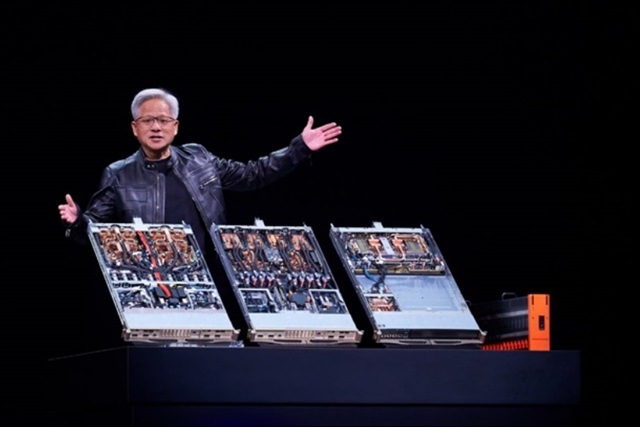
Taiwan’s thermal management industry is heading into 2026 with a clear split: companies tied to AI server cooling are accelerating, while more traditional cooling suppliers are facing a very different pace of growth.
The main reason is simple—AI servers run hotter, draw more power, and pack far more computing density than conventional enterprise hardware. That shift is pushing data centers to rethink cooling from the ground up. As a result, demand is rising fastest for liquid cooling solutions and advanced thermal technologies designed specifically for high-performance server environments, where heat can’t be managed effectively with standard approaches alone.
This surge in AI server buildouts is creating standout winners among Taiwan’s thermal firms that supply liquid cooling components, high-end server thermal modules, and related engineering services. These suppliers are benefiting from stronger order momentum and greater pricing power because their products are increasingly essential for next-generation AI infrastructure.
At the same time, the industry’s more traditional cooling segment—typically associated with conventional air cooling, legacy designs, or broader consumer and general computing markets—is not seeing the same tailwinds. While these businesses still play an important role across many devices and systems, the growth story in early 2026 is being defined by AI data centers and the specialized cooling they require.
For investors and industry watchers, the takeaway is that Taiwan’s thermal management market is no longer moving as a single group. AI server demand is reshaping the competitive landscape, widening the gap between advanced, server-focused thermal suppliers and companies still centered on conventional cooling categories. As AI infrastructure continues to expand, that divergence is likely to become even more pronounced.