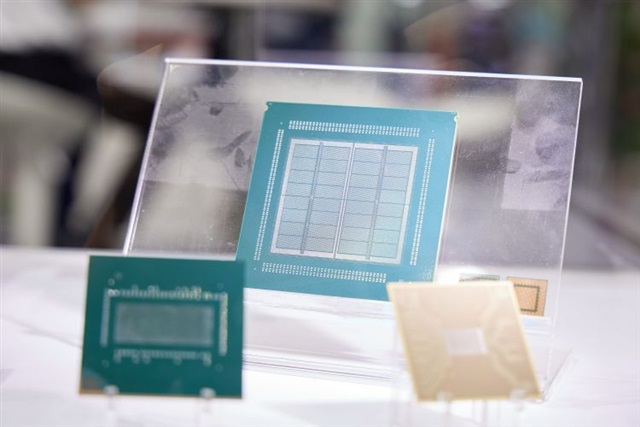
Taiwan’s printed circuit board (PCB) industry is heading into a strong 2025, with momentum increasingly powered by AI servers and high-performance semiconductor applications—even as the traditional smartphone market shows signs of cooling.
Industry watchers point to a clear shift in demand: while smartphones have historically been a major driver for PCB production, that segment is no longer delivering the same growth. Instead, the surge in AI infrastructure is creating a new peak season dynamic for Taiwan’s supply chain. As more companies ramp up investments in data centers, cloud computing, and AI model training, demand is rising for advanced PCBs that can support faster processing, higher data throughput, and more complex system designs.
According to insights highlighted by the Taiwan Printed Circuit Association (TPCA), this transition is helping stabilize and lift the industry through external uncertainty. AI servers require higher-value PCB solutions than many consumer electronics products, which can translate into stronger order visibility and improved revenue potential for manufacturers focused on premium, high-spec production.
What makes AI server demand especially important is the type of technology it pulls through the supply chain. These systems depend on cutting-edge components, tighter tolerances, and more sophisticated board architectures—areas where Taiwan’s PCB ecosystem is well-positioned thanks to deep manufacturing experience and close alignment with semiconductor and computing hardware partners.
At the same time, the smartphone market’s weakening demand is acting as a reminder that consumer electronics cycles can be unpredictable. For PCB makers, the most resilient strategy in 2025 appears to be diversification, especially toward applications tied to enterprise computing and AI growth. This includes server platforms, advanced packaging-related boards, and other high-performance computing scenarios where performance and reliability matter as much as scale.
Looking ahead, Taiwan’s PCB sector is expected to benefit from the broader global buildout of AI computing capacity. If investment in AI servers continues at pace, 2025 could shape up as a standout year—driven less by phones in consumers’ hands and more by the powerful computing systems running behind the scenes.