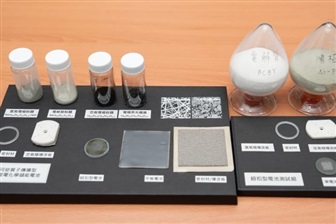
A major step forward in cleaner hydrogen production is taking shape in Taiwan, where a research team says it has found a way to make water electrolysis more energy-efficient while also reducing reliance on rare earth materials.
At a December 17 press conference hosted at Taiwan’s National Science and Technology Council, researchers from Academia Sinica, National Central University (NCU), and Yuan Ze University revealed new progress in hydrogen electrolysis technology. The announcement highlights two goals that matter most to the future of green hydrogen: lowering the electricity needed to split water into hydrogen and oxygen, and cutting down the use of scarce, expensive materials often tied to complex global supply chains.
Hydrogen produced via electrolysis is widely viewed as a key piece of the clean energy transition—especially for industries that are difficult to electrify directly, such as heavy manufacturing, chemicals, and long-haul transport. The challenge is that electrolysis can be energy-hungry, and high-performance systems have often depended on specialized materials for catalysts and components. Any improvement that reduces power consumption and material constraints can make green hydrogen more practical at scale.
The Taiwanese research groups say their work addresses both issues at once. By advancing electrolysis performance, the technology could help lower operating costs, increase overall efficiency, and push hydrogen production closer to being cost-competitive with conventional methods that rely on fossil fuels. At the same time, reducing rare earth use could improve sustainability and make manufacturing easier to scale, particularly as global demand for clean energy hardware rises.
The team’s announcement signals Taiwan’s growing role in energy research and next-generation clean tech development. As countries work to secure reliable pathways to low-carbon fuels, breakthroughs that improve electrolysis efficiency and reduce dependence on hard-to-source resources are likely to attract attention from both policymakers and industry stakeholders.
With hydrogen increasingly positioned as a strategic energy carrier, innovations like this could help accelerate real-world adoption—supporting cleaner industrial processes, stronger energy security, and a more resilient supply chain for the technologies needed to decarbonize.