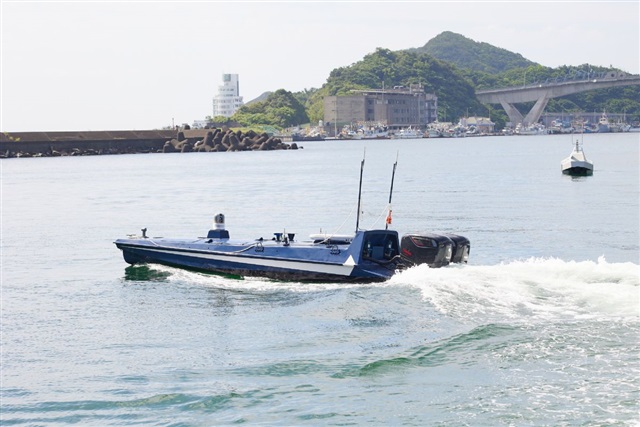
Taiwan is moving quickly to scale up its unmanned defense capabilities, signaling a major shift toward drone-powered surveillance and maritime security. With the number of military drones reportedly climbing past 200,000, attention is now turning to the sea as the island accelerates plans to build a large fleet of unmanned surface vessels (USVs).
According to Taiwan’s Ministry of National Defense (MND), the strategy is centered on a domestic-first approach. That means priority is being placed on local production and homegrown suppliers rather than relying heavily on overseas partners. The goal is to strengthen supply chain resilience, speed up deployment timelines, and ensure Taiwan can keep producing and maintaining these systems even during periods of heightened regional tension.
The most eye-catching element of the plan is the reported push to procure more than a thousand USVs, with the broader vision described as an approximately 1,600-unit unmanned vessel fleet. If these numbers hold, it would represent one of the most ambitious USV expansions in the region, designed to multiply Taiwan’s ability to monitor waters, patrol key routes, and respond quickly without placing crews directly in harm’s way.
Unmanned surface vessels are increasingly viewed as valuable force multipliers. Depending on design and mission loadout, they can support coastal surveillance, reconnaissance, target tracking, and defensive operations. Used alongside aerial drones, USVs can help create a wider, more persistent sensor and response network—especially important for an island with busy surrounding sea lanes and constant maritime activity.
This growing emphasis on locally built unmanned systems also reflects a broader defense trend: building scalable, distributed capabilities that are harder to disrupt and faster to replace. By investing in large numbers of drones and unmanned boats, Taiwan appears focused on expanding coverage, increasing readiness, and improving endurance across both air and sea domains.
As procurement and production efforts ramp up, all eyes will be on how quickly these systems can be delivered, how they’ll be integrated into existing forces, and what missions Taiwan will prioritize first. What’s already clear is that unmanned platforms are no longer a niche add-on—they’re becoming a central pillar of Taiwan’s evolving defense posture.