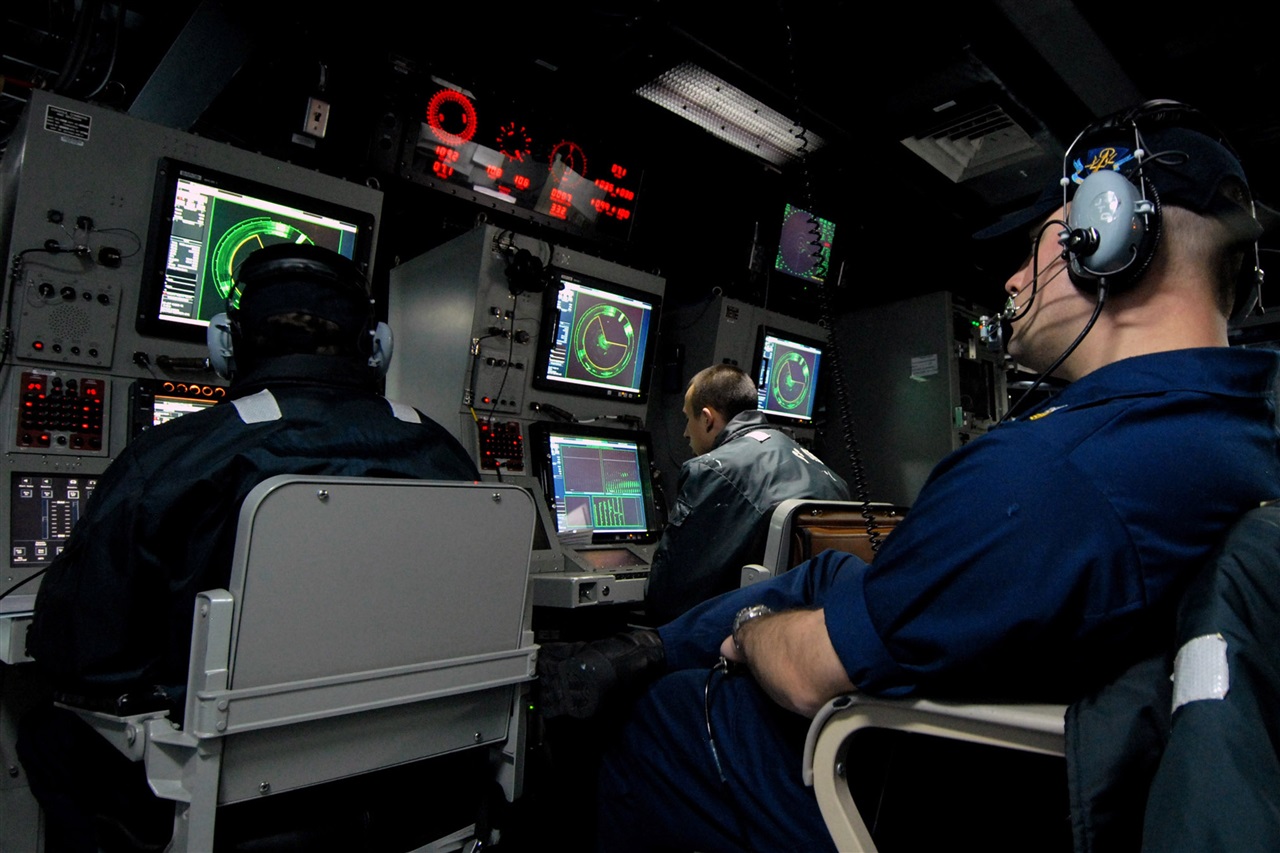
The United States Navy is at the forefront of incorporating advanced technology into its defensive arsenal, and artificial intelligence (AI) is playing an increasingly significant part in this innovation. Recent developments reveal that the Navy is enhancing its capabilities by utilizing AI-powered underwater drones for threat detection.
The integration of AI into underwater drones represents a transformative shift in the way naval forces approach marine surveillance and reconnaissance. These drones are designed to autonomously scan vast expanses of ocean, identifying and classifying potential threats with greater speed and accuracy than ever before. A key advantage of AI-driven systems is their ability to rapidly process huge amounts of data and recognize patterns that might elude human operators.
#### Practical Utility of AI Underwater Drones
AI-equipped underwater drones offer a robust solution for maintaining a constant, vigilant watch beneath the waves, crucial for ensuring maritime security in an era of increasingly sophisticated threats. Here is how these drones are set to revolutionize naval operations:
1. **Enhanced Detection:** With AI, drones can distinguish between various objects and potential threats with high precision, reducing false positives and ensuring that real threats are promptly identified.
2. **Constant Vigilance:** These drones can operate around the clock without fatigue, ensuring uninterrupted surveillance.
3. **Data Processing:** They can handle large quantities of sensory data, analyzing it to detect abnormalities or signatures of enemy vessels and mines that might be stealthily placed to evade traditional detection methods.
4. **Risk Reduction:** By using drones for initial surveillance, the Navy minimizes the risk to human life, as unmanned vehicles can enter hostile or uncertain environments without crew on board.
5. **Resource Optimization:** Human resources can be utilized more effectively, focusing on decision-making and strategic tasks while drones take over the routine surveillance activities.
#### Advancements and Trends
Recent trends in AI technology have paved the way for more sophisticated underwater surveillance systems. These advancements include the development of machine learning algorithms that improve over time, gaining efficiency in identifying potential threats.
There is also a growing trend towards the integration of swarm intelligence, where multiple drones communicate and operate in coordination, simulating the collective behavior of natural swarms to cover larger areas and perform complex tasks.
#### Application in Everyday Naval Operations
Integrating these drones into daily naval operations significantly enhances situational awareness and readiness. Naval commanders can rely on a steady stream of intelligence, and rapid action can be taken if a threat is identified. This technology thus serves as a critical advantage in strategic operations and in protecting the nation’s waters.
#### Conclusion
In conclusion, the strategic deployment of AI-equipped underwater drones by the US Navy symbolizes a milestone in maritime defense technology. With continuous advancements, the operation of these sophisticated tools is set to become even more efficient, providing the Navy with an indispensable asset in safeguarding national security. As AI continues to evolve, its application in naval operations promises to bring forth new levels of preparedness, enabling a proactive stance against various underwater threats.