As the world scrambles to meet ambitious climate goals, the oceans have emerged as a crucial battleground in the war against rising global temperatures. Significant research and discussion have been pivotal in understanding the role of marine ecosystems in carbon sequestration, often referred to as ocean blue carbon. With nations like Taiwan targeting net-zero emissions by 2050, experts are looking towards the blue expanses that cover about 71% of our planet’s surface for solutions.
One such expert, Dr. Wen-Chen Chou from National Taiwan Ocean University, has shed light on just how critical ocean blue carbon is for achieving these long-term environmental goals. If utilized effectively, marine environments could be instrumental in offsetting carbon emissions worldwide.
The Role of Marine Ecosystems in Sequestering Carbon
Marine ecosystems such as seagrasses, salt marshes, and mangroves are known for their natural ability to capture and store carbon dioxide, a process known as carbon sequestration. This capability places them at the forefront of natural climate solutions, enabling them to play a significant role in reducing the amount of CO2 in the atmosphere. Engaging with these ecosystems can help stabilize climate change by dramatically increasing carbon sequestration rates, a necessity in our efforts to mitigate the impact of greenhouse gases.
Exploring the Potential of Ocean-Based Carbon Dioxide Removal (CDR)
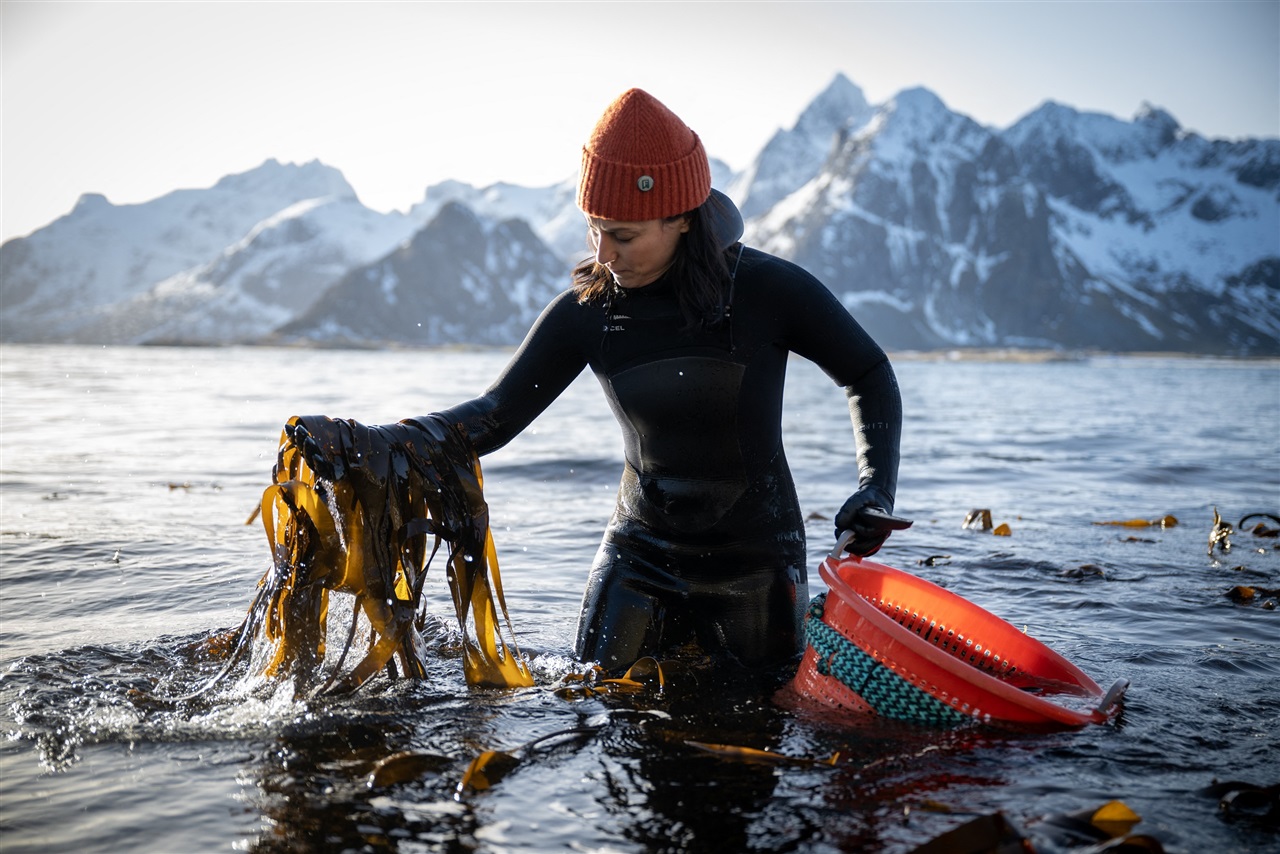
Ocean-based carbon dioxide removal (CDR) strategies encompass a variety of approaches tailored to marine environments. These include promoting the growth of phytoplankton through ocean fertilization, enhancing the weathering of minerals that absorb CO2, and cultivating macroalgae for carbon storage. By scaling up these initiatives, there is potential to remove significant quantities of carbon dioxide from the atmosphere.
Challenges and Opportunities in Scaling
While the potential is exhilarating, scaling ocean-based CDR poses unique challenges. There are ecological risks and governance issues that must be carefully navigated to avoid disrupting marine biodiversity. Moreover, there’s a need for substantial investment in research and development to ensure these methods are both effective and sustainable over the long term.
Despite these challenges, the opportunities are vast. Engaging communities in the protection and expansion of blue carbon ecosystems can foster not only environmental benefits but also economic growth through improved fisheries, tourism, and storm protection.
Incorporating Ocean Blue Carbon in Climate Policies
For countries aiming at reducing their carbon footprint, incorporating ocean blue carbon strategies into climate policies is crucial. Policymakers need to recognize the value of healthy marine ecosystems and support the conservation and restoration of blue carbon habitats. This could be accomplished through incentives for blue carbon projects or integrating marine conservation efforts into carbon trading schemes.
Actionable Steps for Enhancing Ocean Blue Carbon Initiatives
To foster the growth of ocean blue carbon initiatives, here are some actionable steps:
1. **Support Research and Monitoring**: Invest in scientific research to better understand the capacity and methods for ocean CDR. Continuous monitoring can ensure the health of marine ecosystems and evaluate the efficacy of carbon sequestration methods.
2. **Incentivize Conservation Projects**: Financial and regulatory incentives can motivate stakeholders to engage in conservation and restoration of marine ecosystems with high carbon sequestration potential.
3. **Enhance International Collaboration**: Climate change is a global issue that requires international cooperation. Sharing knowledge, resources, and technology can improve CDR strategies worldwide.
4. **Engage the Public**: Raising awareness about the importance of ocean conservation for climate mitigation can increase public support for relevant policies and initiatives.
5. **Develop Sustainable Harvesting Practices**: Where macroalgae and other marine biomass are utilized for carbon storage, sustainable harvesting practices are essential to maintain ecosystem integrity.
With the seas offering such promising solutions for climate mitigation, the necessity to scale ocean-based CDR has never been clearer. By harnessing the capacity of marine ecosystems for carbon sequestration and addressing the associated challenges, the global community can take a significant leap towards attaining net-zero emissions and establishing a more sustainable relationship with Earth’s natural systems.


