### Samsung Galaxy Ring Anticipated to Have Higher Price Tag than Galaxy Watch6, Along with a Subscription Model
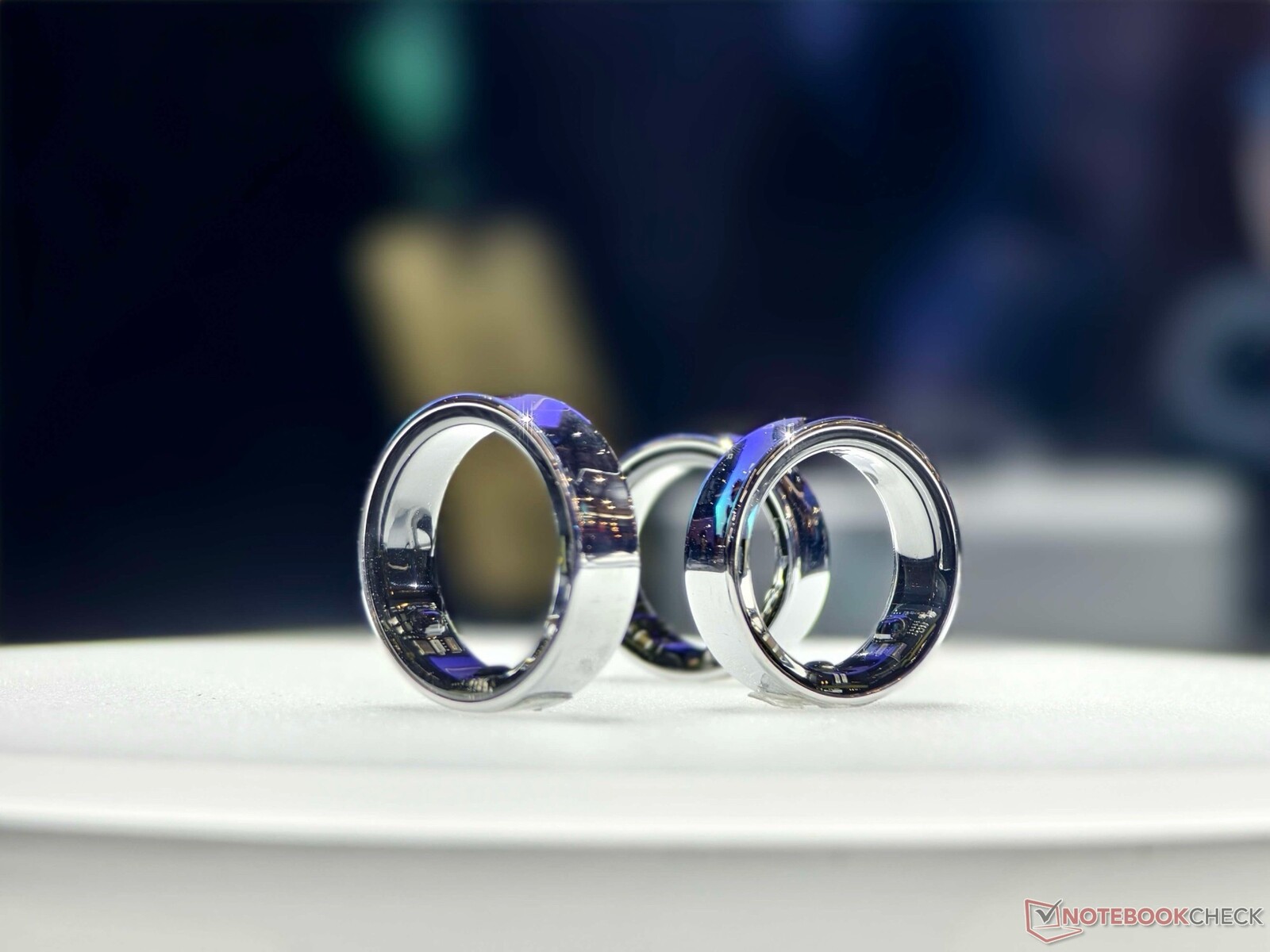
Anticipation is building for the upcoming release of the Samsung Galaxy Ring, a novel alternative to traditional smartwatches like the company’s own Galaxy Watch6. Having made its debut at the Mobile World Congress earlier in the year, the Galaxy Ring is poised to offer similar health tracking features in a distinctive form factor.
Prospective buyers eyeing this innovative wearable technology should be prepared for a higher price point. Reports suggest that the Galaxy Ring will enter the market within the $300 to $350 range in the United States. This positions it at a potentially higher price than not only the Galaxy Watch6 but also competitors like the Oura Smart Ring, which is noted for its titanium construction and is currently priced at $349.
Unlike the Oura’s premium materials, the Galaxy Ring is set to feature a 2.3-gram plastic build. Despite the difference in material, the cost implications seem to reflect advanced technology and functionality packed into this compact device.
Additionally, Samsung is reportedly planning to roll out a paid subscription service alongside the Galaxy Ring. While specifics have not been fully disclosed, it’s projected that this service could cost under $10 per month. The subscription may not be mandatory for basic use but could unlock a suite of extra health-related features for users wanting to maximize their experience.
More details about the Galaxy Ring are highly anticipated at the Galaxy Unpacked event scheduled for July. It is also expected that more information on the upcoming Galaxy Watch7 will be unveiled.
The shift towards innovative, subscription-based wearables is a significant trend in the tech industry, reflecting a broader move towards service-oriented revenue models. The Galaxy Ring, with its cutting-edge features and subscription service, encapsulates this trend, and could signal new ways for consumers to interact with personal health technologies.
As these wearable devices become increasingly integral to daily life, users are encouraged to weigh the balance between upfront costs and long-term value, particularly with subscription-based models. Consideration of materials, functionality, and overall ecosystem integration will be key factors in making an informed decision when the Galaxy Ring and similar wearable technologies become available for purchase.