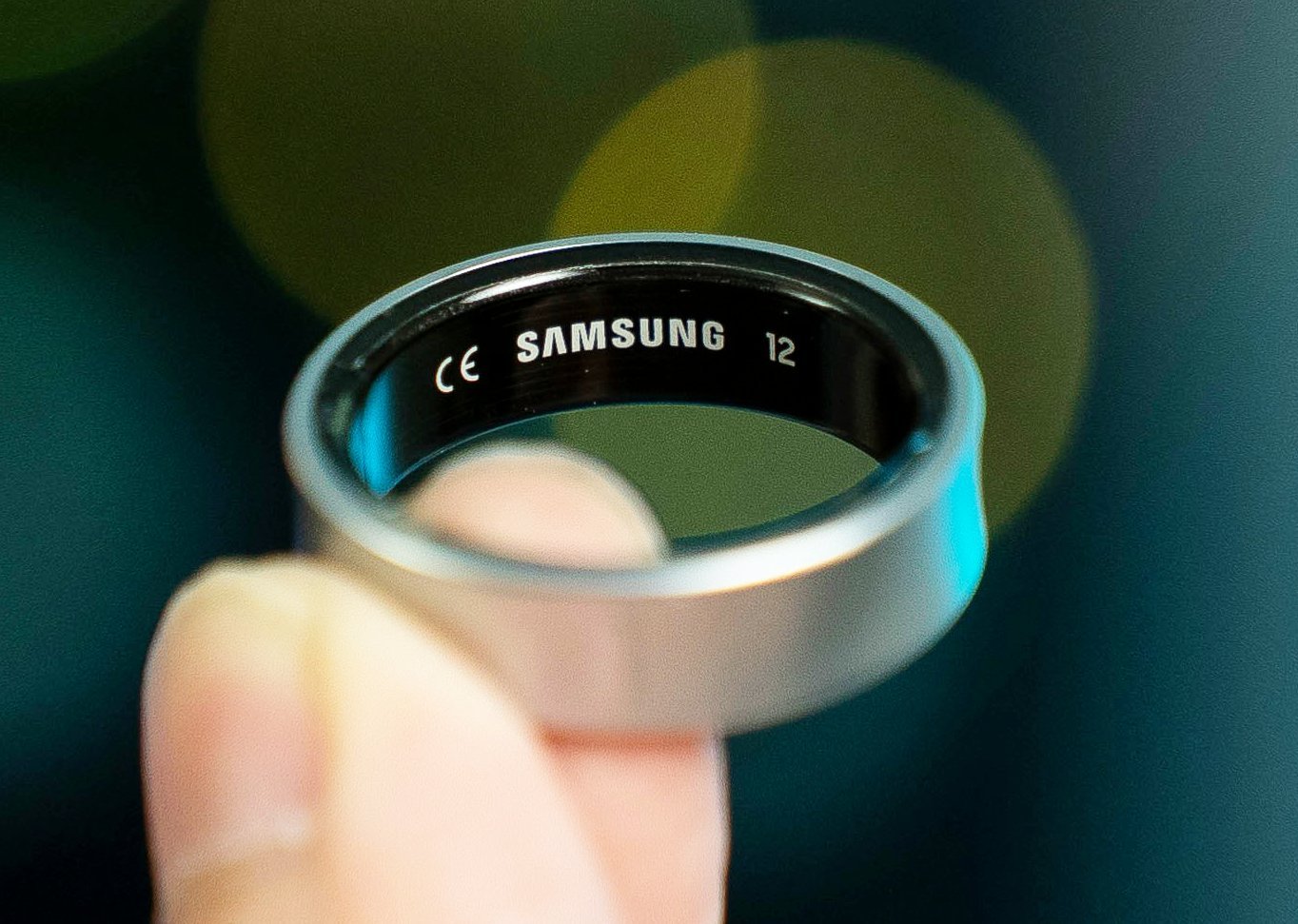
Samsung’s first-ever smart ring, the Galaxy Ring, made its debut in July 2024 with a clear goal: challenge established players in the wearable ring space by offering a lightweight alternative to a smartwatch while still delivering meaningful health tracking. Now, early reports suggest fans shouldn’t expect a follow-up anytime soon, because the Galaxy Ring 2 reportedly isn’t slated to arrive until early 2027.
Even with that long wait, the rumored upgrades point to a more refined, more comfortable, and more capable wearable—especially for people who care about battery life and sleep tracking accuracy.
A longer battery life that aims for 9 to 10 days
One of the biggest rumored improvements is battery endurance. The original Galaxy Ring is marketed with up to seven days of battery life, depending on usage. The next-generation model is expected to push that to around nine to ten days. That matters in the real world because it means fewer charging breaks, more continuous health data, and extra cushion as the battery naturally ages over time. For anyone who wants a wearable ring that can reliably last a full week even with heavier use, that extra runtime could be a major quality-of-life upgrade.
A thinner, lighter design for better comfort
Comfort is everything with a smart ring, because it’s meant to be worn day and night—during workouts, sleep, and everyday life. The Galaxy Ring 2 is rumored to get a redesigned internal layout, with Samsung revising the electronics to allow a thinner and lighter body. A slimmer profile can also help reduce pressure points on the finger, making the ring easier to forget you’re even wearing—exactly what many buyers want from a health-focused wearable.
More accurate sensors, especially for skin temperature and sleep tracking
The current Galaxy Ring already includes several key sensors, including heart rate and SpO2 (blood oxygen), along with skin temperature and motion tracking. That mix enables features such as sleep monitoring and calorie burn estimates.
For the Galaxy Ring 2, Samsung is said to be focusing on sensor improvements rather than simply adding new ones. The biggest rumored gains are more precise skin temperature measurement and more accurate sleep tracking. Since sleep insights are only as good as the data behind them, improved accuracy could translate into better nightly reports, more dependable trend tracking, and more useful wellness guidance over time. There’s also mention of strengthened cardiovascular health features, though details remain unclear for now.
What about a blood glucose sensor? Don’t expect it yet
There’s ongoing interest in non-invasive blood glucose monitoring across the wearable industry, and Samsung is reportedly working on that technology. However, the latest rumor suggests it won’t be ready in time for the Galaxy Ring 2, meaning the next model will likely focus on refinement—battery, comfort, and sensor accuracy—rather than a breakthrough glucose feature.
If these reports hold up, the Galaxy Ring 2 could be a meaningful step forward for anyone looking for a long-lasting, comfortable smart ring with improved health tracking—just not until 2027.