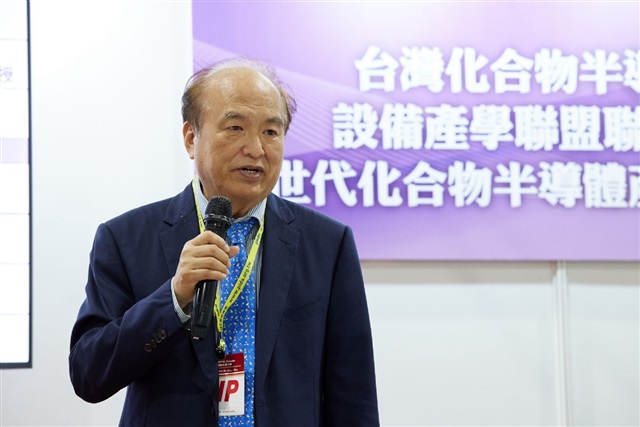
In a move set to bolster academic and technological collaboration, Taiwan and Japan have embarked on an exciting partnership aimed at advancing next-gen compound semiconductors. This innovative alliance is marked by a significant memorandum of understanding (MoU) recently signed between two premier research bodies: Japan’s RIKEN, an esteemed research institute, and Taiwan’s National Science and Technology Council (NSTC).
This strategic agreement signifies a mutual commitment to deepen the ties between the two nations, fostering a robust exchange of knowledge and research capabilities. As part of this collaboration, scientists and researchers from both countries will come together to explore groundbreaking advancements in semiconductor technology, promising to shape the future of electronics and telecommunications.
The focus on compound semiconductors, which offer superior performance characteristics for a variety of applications, highlights the innovative spirit driving this partnership. By pooling their expertise and resources, Taiwan and Japan aim to push the boundaries of technology, unlocking new potentials for the next generation of electronic devices.
Through this MoU, Taiwan and Japan not only strengthen their academic and research links but also pave the way for significant technological breakthroughs. This initiative is poised to propel both nations to the forefront of semiconductor innovation, potentially leading to advancements that could benefit a broad spectrum of industries worldwide.
As Taiwan and Japan join forces in this exciting venture, the global scientific community eagerly anticipates the pioneering discoveries that this collaboration is bound to yield. The partnership reflects a shared vision for a future where technological excellence knows no borders, harnessing the power of joint research to drive progress in the rapidly evolving world of semiconductors.