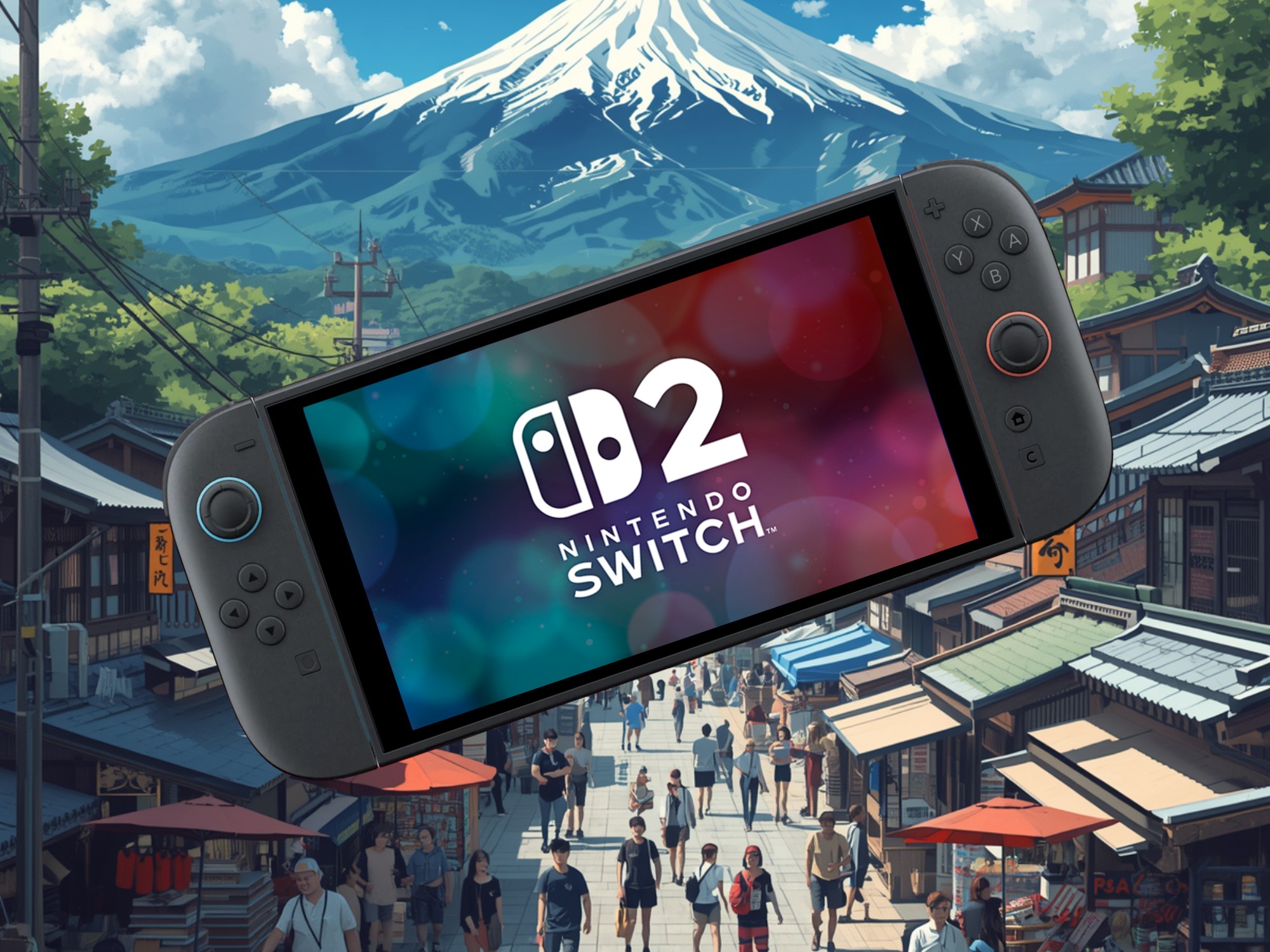
Nintendo’s Switch 2 price increase is making waves everywhere, but nowhere is the reaction more intense than in Japan. With the Japanese MSRP climbing by a larger percentage than in other markets, the news has triggered a rush at major retailers, prompting stores to roll out tighter purchasing rules to calm the crowds and discourage scalpers.
Part of the reason the situation is so heated is that Japan had access to a special, more affordable Switch 2 model. Launched in June 2025, this region-specific version was designed to reduce overseas reselling by limiting the system to the Japanese language and the Japanese eShop. For local buyers, that made it an especially attractive deal—until Nintendo announced the new pricing.
The Japan-only Switch 2 is moving from ¥49,980 (about $319 USD) to ¥59,980 (about $383 USD) starting May 25. That’s a 20% jump, notably steeper than the increase planned for the United States, where the console is set to rise from $449.99 to $499.99 on September 1—just over an 11% increase. Another key detail: the multi-language version isn’t affected by this particular price change, which further highlights how targeted the Japan adjustment is.
Timing also adds pressure. Japanese shoppers have far less time to decide whether to buy before the higher price takes effect. And because Nintendo continues to dominate console sales in its home market, many fans aren’t easily tempted by alternatives. Even with the region-locked PS5 Digital holding at ¥55,000 (around $351 USD), it hasn’t been enough to pull many committed Nintendo players away.
The immediate result has been packed stores and growing frustration at big-name electronics retailers such as Yodobashi Camera and others. To regain control, some retailers are tightening sales policies again—similar to what was seen during the initial launch period. One reported measure is requiring shoppers to have a store-issued credit card in order to buy a Switch 2 at the current price, a move aimed at ensuring systems go to genuine customers rather than resellers.
The price pressure isn’t limited to the Switch 2, either. Nintendo is responding to higher storage and memory costs across its hardware lineup, and the original Switch family has also been hit with increases in Japan. The standard Switch and the OLED model reportedly rose by around ¥10,000 to ¥11,000, while the Switch Lite also became more expensive. On top of hardware changes, Nintendo Switch Online subscription rates in Japan are expected to increase as well, adding to the overall cost of staying in the Nintendo ecosystem.
Even though the Switch 2 has seen faster early adoption in Japan than in the U.S. (helped in part by differences in population and market behavior), sales momentum could cool after May 25 once the new price kicks in. As always, long-term demand will likely depend on what Nintendo releases next—especially the lineup of first-party games planned through the rest of 2026.