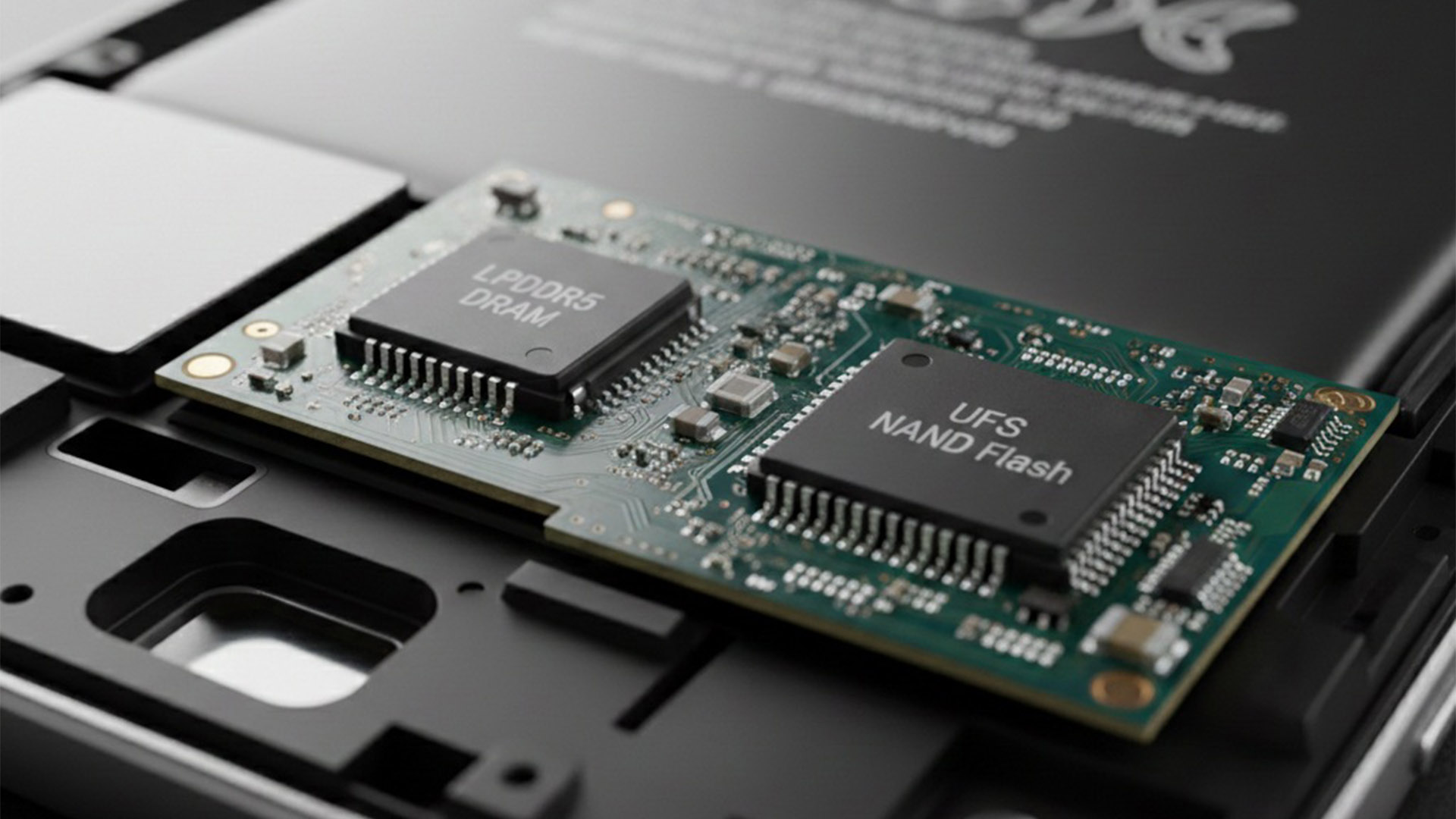
The cost of building a smartphone is heading for a major jump in 2026, and the biggest culprit is the ongoing DRAM crisis. New estimates suggest a phone’s Bill of Materials (BoM) could climb by about 25 percent next year as memory and storage prices surge to unusually high levels. That spike is already forcing tough conversations inside the industry, including the once-unthinkable idea of bringing back 4GB RAM configurations for entry-level phones simply to keep prices from ballooning.
The situation isn’t limited to just RAM. Mobile LPDDR DRAM pricing has reportedly surged by more than 70 percent compared to early last year, while NAND flash storage costs have climbed around 100 percent. In plain terms, the components that determine how well your phone multitasks and how much you can store are suddenly far more expensive than they were just a short time ago. And because nearly every smartphone depends on the same global memory supply chain, no major brand is truly insulated.
One analysis indicates DRAM now represents more than 20 percent of a smartphone’s manufacturing cost. That’s a dramatic change from the previous norm, where memory typically made up about 10 to 15 percent of the total build cost. When a single component category grows that quickly, it squeezes everything else: product planning, profit margins, and the ability to offer better specs at the same price.
This couldn’t be happening at a more awkward time for the smartphone market. Several companies are preparing to launch 2nm chipsets later this year, which are expected to raise performance while also pushing costs higher. Flagship processors are already expensive, with upcoming top-tier chips projected to cost well over $300 per unit, based on recent pricing trends. Combine a pricier chipset with sharply inflated DRAM and NAND flash, and the result is obvious: more expensive phones, tougher compromises, or both.
Manufacturers now face a set of unpleasant choices. They can cut specifications to keep retail pricing attractive—think lower RAM, smaller storage options, or fewer premium features. Or they can push higher costs onto consumers and risk weaker demand, especially in the midrange and entry-level segments where buyers are most price-sensitive.
Even the largest companies are feeling the pressure. The shortage is widely described as unavoidable, with industry leaders warning that no one can fully escape it. Reports also suggest that major phone makers have had to take unusually aggressive steps to secure supply agreements with DRAM producers, a sign of how competitive and constrained the market has become.
There is a twist, though. Some companies outside the smartphone space have shown how it’s possible to reduce exposure to supply shocks—by prepaying for inventory and locking down supply well in advance. But strategies like that can also tighten availability for everyone else, potentially worsening the shortage that smartphone brands are now battling.
If you’re hoping this is a short-term spike, the outlook isn’t reassuring. Current expectations indicate the DRAM shortage could persist until Q4 2027. That means the next couple of years may bring higher smartphone prices, more “spec compromises” in affordable models, and a stronger push by brands to differentiate through software and services when hardware upgrades become harder to justify at today’s costs.