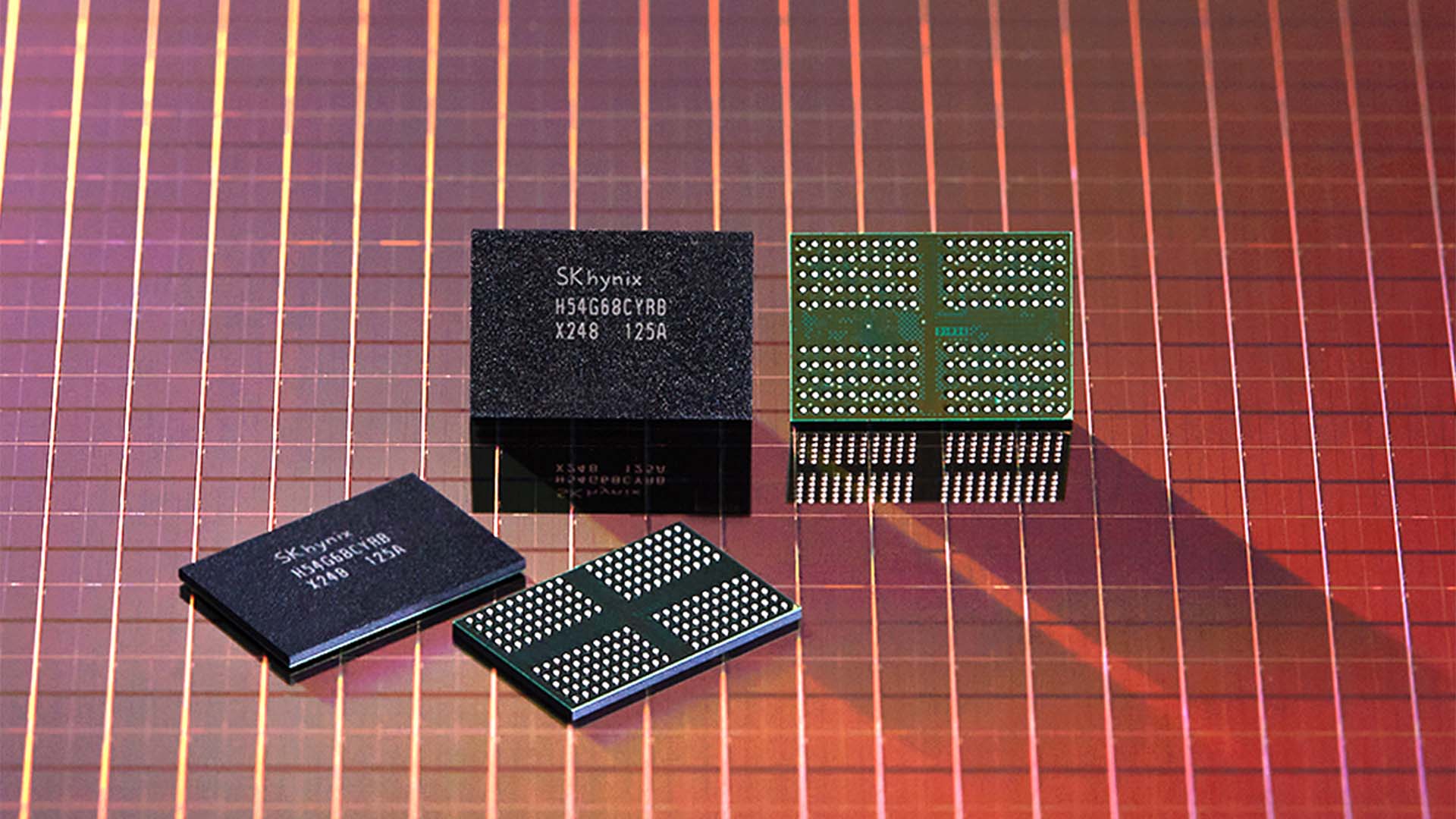
A fresh surge in DRAM prices, fueled by a global memory shortage, is forcing smartphone brands to rethink what their 2026 lineups will look like. While earlier chatter suggested manufacturers might respond by bringing back 4GB RAM entry phones, slowing the push toward 16GB RAM flagships, or even reviving microSD card slots to reduce reliance on costly onboard storage, new industry research indicates those moves may not be enough. The bigger issue is that rising DRAM costs are set to raise smartphone component spending sharply, which could translate into higher retail prices, slimmer profit margins, or noticeable cutbacks in hardware.
Current estimates point to global smartphone shipments dipping by around 2.6% in 2026. The main driver is the expected jump in bill of materials (BoM) costs across the board, tied directly to pricier DRAM. According to the research, low-end phones are projected to be hit hardest, with BoM costs rising about 25% for entry-level models, around 15% for mid-range devices, and roughly 10% for high-end phones. In other words, the cheaper the phone, the more brutal the impact, because there’s far less room to absorb extra component costs without raising the price.
Phones priced under $200 are expected to feel the squeeze the most. The research suggests BoM costs for this segment are already up roughly 20% to 30% since the beginning of the year, while mid- and high-end segments have seen increases closer to 10% to 15%. That’s a serious problem for entry-level devices, which already rely on tight margins and heavy cost-cutting to remain competitive. If component costs continue climbing, budget smartphones could become increasingly difficult to sell at today’s prices without sacrificing the features buyers expect.
The analysis also highlights a widening gap between the companies best equipped to handle the situation and those most exposed. Apple and Samsung are viewed as being in the strongest position over the next several quarters, largely because they have more flexibility to manage pricing, supply chain decisions, and profit margins. By contrast, many other smartphone makers—particularly Chinese brands—could be forced into tough trade-offs between defending market share and protecting profitability.
So what happens when manufacturers can’t simply pass the cost on to consumers? Expect more “hardware downgrade” strategies. The report suggests brands may scale back camera capabilities (including expensive periscope zoom components), choose less premium displays, reduce audio part quality, and adjust memory configurations to keep costs controllable. Another likely tactic is reusing older components or proven designs, while saving the newest technologies for premium models where higher prices are easier to justify.
This memory-driven cost pressure may not stop at smartphones either. Similar compromises could show up in laptops, where brands may default more models to 8GB RAM configurations rather than offering higher base memory at affordable prices.
As for how long the DRAM shortage and higher pricing might last, the outlook is mixed. One industry viewpoint suggests pricing could stabilize within about six months, but other expectations are far less optimistic, projecting memory shortages and elevated prices lingering well into late 2027. If that longer timeline proves accurate, smartphone specs and value could look noticeably different over the next couple of years—especially for budget and mid-range buyers who typically benefit most from falling component costs.