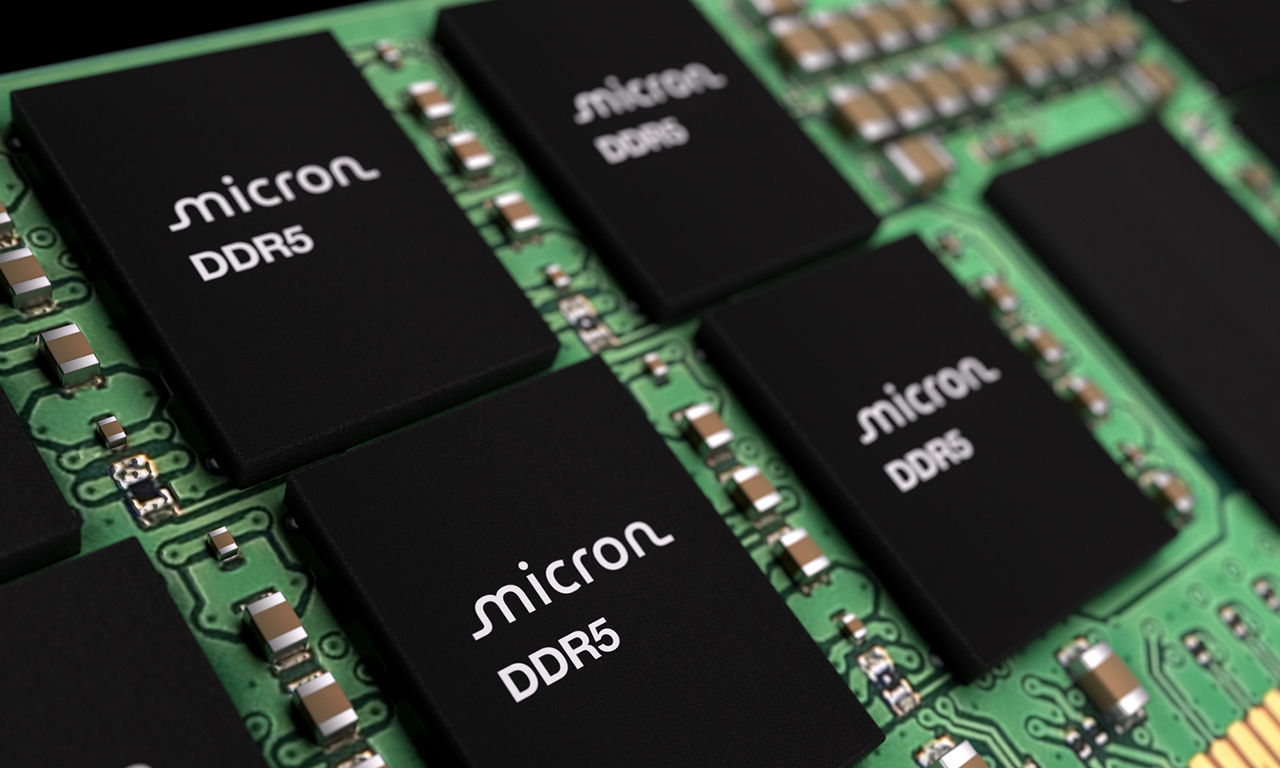
Micron’s recent move to step away from the consumer storage and memory spotlight has sparked a wave of frustration across the PC community, especially among gamers already dealing with painful RAM price hikes. In a new interview, a Micron vice president offered the company’s reasoning for shutting down its Crucial consumer brand, a decision that many enthusiasts see as yet another sign that everyday buyers are being pushed aside during the AI boom.
The backdrop to this controversy is simple: memory prices, particularly DRAM and popular DDR5 kits, surged sharply beginning in late 2025. The main driver has been explosive demand from data centers and AI-focused enterprise customers, who are consuming enormous amounts of memory and tightening supply chains across the industry. With more supply flowing toward high-volume, high-margin enterprise orders, consumers have increasingly been left facing higher prices and fewer attractive options.
Micron’s choice to pull the plug on Crucial and redirect resources toward enterprise customers quickly drew criticism. Crucial was a familiar name for PC builders and laptop upgraders looking for reasonably priced SSDs and RAM. Removing a major consumer-facing brand from the market doesn’t just change what’s on store shelves—it also tends to weaken price competition, precisely when shoppers need it most.
In the interview, Micron VP Christopher Moore tried to reframe the move as a channel shift rather than an abandonment of consumers. He explained that Micron still reaches consumer markets by supplying DRAM to major PC and device makers, including names like Dell and Asus. In other words, Micron argues it’s still “helping consumers,” just indirectly—by putting its memory into systems sold by large OEMs instead of selling Crucial-branded products to individuals.
Moore also pointed to the sheer scale of enterprise growth. Data center demand is expanding rapidly, and Micron sees addressing that total addressable market as essential to its business strategy. From a purely corporate perspective, the logic isn’t hard to follow: enterprise customers buying for AI infrastructure can deliver bigger, more dependable orders and stronger margins than the unpredictable consumer upgrade market. But for gamers, PC enthusiasts, and budget-conscious buyers, that business logic doesn’t make the outcome any easier to accept.
What’s more troubling for consumers is that the pressure may not ease soon. The ongoing DRAM supply crunch isn’t expected to wrap up quickly, and some OEMs are reportedly pushing hard for long-term supply agreements to secure future inventory. If large manufacturers lock in capacity and enterprise demand stays elevated, the consumer market could remain stuck with limited supply and stubbornly high prices.
Industry chatter also suggests Micron might not be alone. Rumors indicate that another major memory player, SK Hynix, could consider a similar pivot toward enterprise priorities. If that happens, the ripple effects could be significant: fewer consumer-oriented options, a tighter competitive landscape, and even more leverage concentrated in the hands of data center buyers.
For now, the message is clear: the AI-driven data center surge is reshaping the memory and storage market, and consumers are feeling the squeeze. Even if Micron insists it’s still serving buyers through PC brands and device manufacturers, the disappearance of Crucial as a direct-to-consumer option marks a real shift—one that could keep gamers and PC builders paying more for RAM well into the coming years.