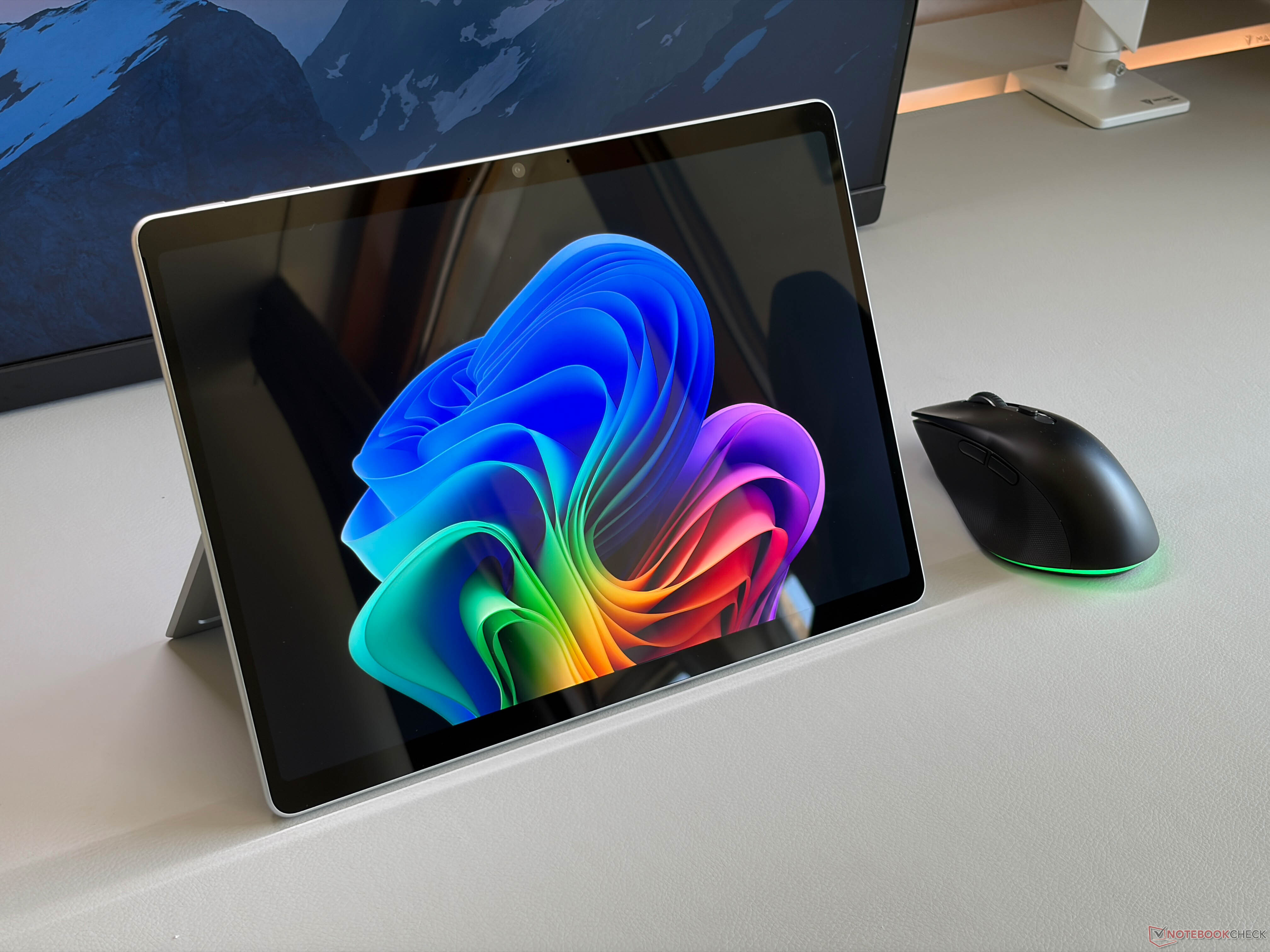
Microsoft Surface Pro 2026 review: A polished 2-in-1 with a frustrating chip strategy
Microsoft’s 2026 Surface Pro arrives with updated hardware, a familiar premium design, and Qualcomm’s latest Snapdragon X2 processors. On paper, that sounds like a meaningful upgrade for one of the most recognizable Windows tablets on the market. In practice, however, this new Surface Pro feels more like a careful refresh than a major step forward.
The biggest talking point is Microsoft’s processor strategy. For regular consumers, the Surface Pro 2026 is offered only with ARM-based Qualcomm chips. Business customers, meanwhile, get more flexibility, with the option to choose between Qualcomm Snapdragon X2 processors and Intel Panther Lake chips, including models with optional 5G.
That split is hard to ignore. Limiting private buyers to ARM models feels like an unnecessary restriction, especially when Windows users often care about app compatibility, long-term flexibility, and having the freedom to choose the platform that best fits their workflow. ARM-based Windows devices have improved, but forcing the choice instead of letting customers decide still feels artificial.
The Surface Pro 2026 with OLED display comes equipped with the Snapdragon X2 Elite, while the IPS version uses the Snapdragon X2 Plus. At first glance, the naming suggests a clear performance gap between the two models, but the real-world difference is smaller than expected.
That is largely because Microsoft uses one of Qualcomm’s lower-tier Snapdragon X2 Elite variants. The X2E-78-100 includes 12 CPU cores, with six cores running up to 4.0 GHz and six efficiency-focused cores reaching up to 3.4 GHz. While this sounds strong, the overall CPU performance is only slightly ahead of the previous Surface Pro model with the Snapdragon X1E-80-100.
In other words, buyers expecting a dramatic jump in speed may be disappointed. The new Surface Pro still feels responsive for daily tasks like web browsing, office work, streaming, note-taking, and multitasking, but it does not deliver the kind of leap that would make last year’s model feel outdated.
Graphics performance is more complicated. The Snapdragon X2 Elite version in the OLED Surface Pro uses the Adreno X2-85 GPU, but it runs at a lower clock speed of 1.35 GHz. Other Snapdragon X2 Elite configurations use a faster 1.7 GHz version, so Microsoft’s implementation leaves some performance on the table.
Compared with the older Adreno X1-85 GPU, the improvement is noticeable. However, the gap between this GPU and the Adreno X2-45 found in the Snapdragon X2 Plus is not as large as it could have been. That makes the more expensive OLED model feel less compelling from a performance-per-dollar perspective.
The good news is that the Surface Pro 2026 remains competitive against the Intel-based business version. The Panther Lake chips used in the Surface Pro are paired with a relatively modest integrated GPU featuring 4 Xe cores, so the Qualcomm version does not fall behind in overall graphics capability. For typical productivity use, either platform should be sufficient, but power users may still wish Microsoft offered more configuration freedom across the entire lineup.
As a convertible Windows tablet, the Surface Pro 2026 still has many strengths. The design remains sleek, portable, and practical. The OLED display option is especially attractive for users who value rich contrast, vivid colors, and a more premium viewing experience. It continues to work well as both a tablet and a compact laptop replacement, particularly for students, mobile professionals, and anyone who wants a lightweight device for everyday work.
Still, the upgrade feels modest. The new chips are more modern, but the CPU gains are limited. The GPU is better, but not as strong as it could have been. The OLED panel is appealing, but it also pushes the price higher. And the consumer-only ARM approach remains a controversial decision.
The Surface Pro 2026 is still a good 2-in-1 device, but it is not an obvious must-buy upgrade for owners of recent models. With pricing higher than before, many shoppers may be better off looking for discounts on the previous Surface Pro while it is still available. Those older models can still offer excellent everyday performance and may provide better value, especially if the new Snapdragon X2 performance improvements are not essential for your needs.
Overall, Microsoft’s latest Surface Pro remains one of the most refined Windows tablets you can buy, but it also shows how cautious this generation really is. The hardware is elegant, the OLED screen is impressive, and performance is solid for everyday use. Yet the limited processor choices for consumers and the relatively small performance gains make the 2026 Surface Pro feel like a premium refresh rather than a major evolution.


