As the digital revolution continues to forge ahead, a new era marked by the promise of Generation AI, or GenAI, is rapidly coming into focus. Within this epochal shift, enterprise AI emerges as an immense arena of potential—a veritable ‘gold mine’ for those in the supply chain who are vigilantly preparing to harness its power.
Understanding this demand for enterprise AI is critical for businesses and supply chain managers looking to stay competitive and innovative. Here’s a comprehensive guide on how the supply chain is proactively planning for this third ‘gold mine’ of GenAI.
### The Rise of GenAI in the Supply Chain
**1. Identifying the Need for AI Technologies:**
Organizations across the spectrum are recognizing the need to integrate AI into their processes. AI technologies have the potential to transform every facet of the supply chain, from demand forecasting and inventory management to logistics and customer service.
**2. Investing in AI Infrastructure:**
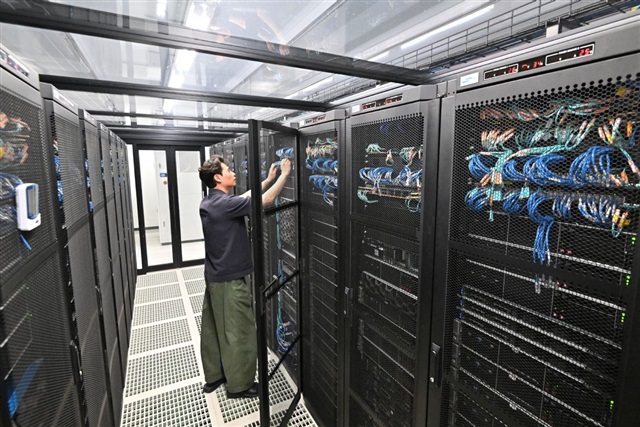
One of the first steps that supply chain entities are taking is investing in the necessary infrastructure that supports AI. This includes upgrading IT systems, securing data storage solutions and ensuring that there is an architecture in place that is capable of handling complex AI computations.
**3. Skilling and Reskilling of Workforce:**
As AI tools become more prevalent, there is a growing emphasis on skilling and reskilling the workforce to work alongside AI effectively. Companies are launching training programs to help their employees understand and leverage AI in their daily tasks.
**4. Collaborations and Partnerships:**
Companies are now actively seeking collaborations and strategic partnerships with AI tech firms. These partnerships are essential to access advanced technologies and expertise in AI, further enabling supply chain innovation.
**5. Emphasizing Data Quality:**
AI is only as good as the data it works with. The supply chain is placing a renewed focus on the quality of data being collected. Ensuring accurate, timely, and relevant data is pivotal for effective AI processes.
**6. Advanced Planning Systems:**
Advanced planning systems that use AI to predict and manage the supply chain demands are being implemented. These systems can analyze vast amounts of data to make decisions in real-time, reducing waste and increasing efficiency.
**7. Automation of Repetitive Tasks:**
AI is particularly adept at handling repetitive and predictive tasks. Automation is, therefore, a key component in harnessing AI, allowing human workers to focus on more complex, value-added activities.
### Practical Implementation
To apply this emerging technology in daily operations, supply chain managers should start by conducting an AI-readiness assessment. This will determine the current state of their systems, workforce skills, and data handling capabilities. Based on the assessment, managers can prioritize areas that need immediate attention and develop a phased AI implementation plan.
### Looking Ahead: Trends and Innovations
The landscape of GenAI is dotted with innovations at every turn. These include the development of self-learning algorithms that improve over time, AI systems that can predict market changes with great accuracy, and the use of robots for warehouse management. Observing these trends, supply chain managers can incorporate cutting-edge solutions to pre-empt future challenges.
Application in real-life scenarios might involve transforming consumer data into actionable insights, optimizing supply routes with AI-driven logistics platforms, or implementing predictive maintenance on manufacturing equipment to avoid unexpected downtime.
In conclusion, the third ‘gold mine’ of GenAI represents a strategic opportunity for the supply and chain sector. As businesses and organizations adapt to this exciting technological milieu, proactive planning and continual learning will be the key to unlocking the full potential of enterprise AI, providing economic growth and enhanced service provisions to customers around the globe.