India Reinforces Visa Regulations for Chinese Nationals: Consequences for the Electronics Industry Supply Chain
India has recently introduced stricter visa regulations for Chinese nationals, a move driven by escalating geopolitical tensions between the two nations. This regulatory shift is generating concerns among professionals within the Indian electronics industry, as it is foreseen to have significant implications on the supply chain.
Recent Geopolitical Strains and Visa Policy Changes
The geopolitical landscape between India and China has been fraught with challenges, leading to a reevaluation of diplomatic and economic interactions. In response to growing strains, India has decided to enforce more stringent visa requirements for Chinese visitors. This step represents a careful balancing act for India as it seeks to safeguard its national interests while managing a complex relationship with its neighboring counterpart.
Impact on the Indian Electronics Industry
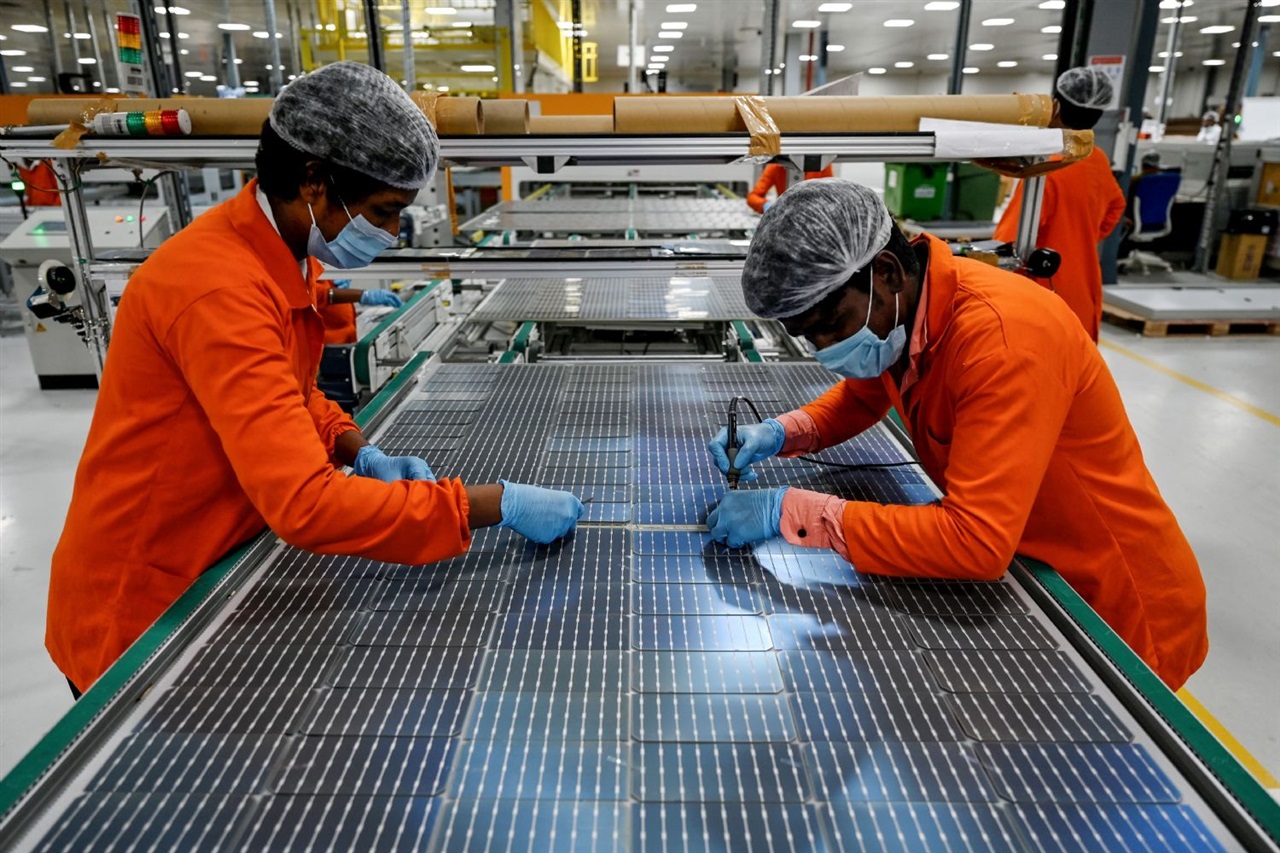
The electronics industry in India, which relies heavily on materials, components, and expertise from China, stands to be notably affected by these new policies. India’s electronics sector is a significant contributor to its economy and has been a focal point for growth and development. However, the increased difficulty for Chinese nationals to enter India could disrupt the established supply chains, potentially leading to increased costs, delays in production, and a setback in technological innovation.
Economic Repercussions
The tightening of visa rules could also lead to broader economic repercussions. Chinese companies and experts have played a crucial role in India’s electronics supply chain, contributing to the rapid development of this sector. Restrictions on their ability to work within the Indian market might not only slow down the transfer of knowledge and technology but also deter future investments and collaborations that are vital for the industry’s advancement.
Industry Experts’ View
Stakeholders within the Indian electronics industry have expressed their concerns, suggesting that while security and diplomatic interests are essential, the economic growth and technological partnerships should also be taken into account. They argue for a balanced approach that secures the country’s borders without stifling its industries.
Moving Forward
The situation calls for a careful consideration of the long-term strategies that India will adopt to maintain its economic expansion while navigating through geopolitical challenges. It highlights the need for alternative approaches to diversify the supply chain and reduce dependency on any single source. This could include nurturing domestic capabilities, seeking other international partnerships, or investing in technology to enhance self-reliance.
The ongoing developments underscore the impact of geopolitics on global economic interactions and the importance of adaptive strategies in ensuring sustained growth. Stakeholders within the electronics sector, policy makers, and businesses alike must work together to adapt to these changes and mitigate potential negative outcomes on the supply chain and the broader industry.