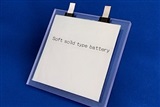
Sumitomo Chemical Aims for 2028 Mass Production of Lower-Cost Solid-State Battery Electrolyte
Sumitomo Chemical is preparing to enter a key stage in next-generation battery development, with plans to begin mass production of a halide-based solid electrolyte in Japan as early as fiscal 2028. The move could help accelerate the commercialization of all-solid-state batteries by offering a material that may reduce costs while still delivering strong performance.
All-solid-state batteries are widely viewed as one of the most important breakthroughs for the future of electric vehicles, portable electronics, and energy storage systems. Unlike conventional lithium-ion batteries that use liquid electrolytes, solid-state batteries rely on solid electrolyte materials. This design can improve safety, support higher energy density, and potentially enable faster charging and longer battery life.
Sumitomo Chemical’s focus is on a halide-based solid electrolyte, a type of material that has attracted growing attention because of its promising balance of performance and manufacturability. The company aims to position the material as a more affordable alternative while maintaining performance levels comparable to leading solid electrolyte technologies.
Cost remains one of the biggest challenges facing all-solid-state battery adoption. While the technology offers major advantages, producing the required materials at scale has proven difficult and expensive. If Sumitomo Chemical can successfully mass-produce its halide-based electrolyte by fiscal 2028, it could play an important role in making solid-state batteries more practical for commercial use.
Japan has been investing heavily in advanced battery technologies as global demand for electric vehicles and renewable energy storage continues to rise. By producing the material domestically, Sumitomo Chemical may also strengthen Japan’s battery supply chain and support manufacturers looking for stable access to next-generation battery components.
The planned production timeline suggests that the company sees a growing market opportunity as automakers and electronics companies push toward safer, more powerful, and more durable batteries. Solid-state battery technology is expected to become increasingly important in the late 2020s, especially as companies compete to improve driving range, charging speed, and battery reliability.
While commercial deployment of all-solid-state batteries still faces technical and manufacturing hurdles, Sumitomo Chemical’s 2028 target marks a notable step forward. A lower-cost solid electrolyte with competitive performance could help bring the industry closer to large-scale adoption, making next-generation batteries more accessible across electric vehicles, consumer devices, and grid storage applications.