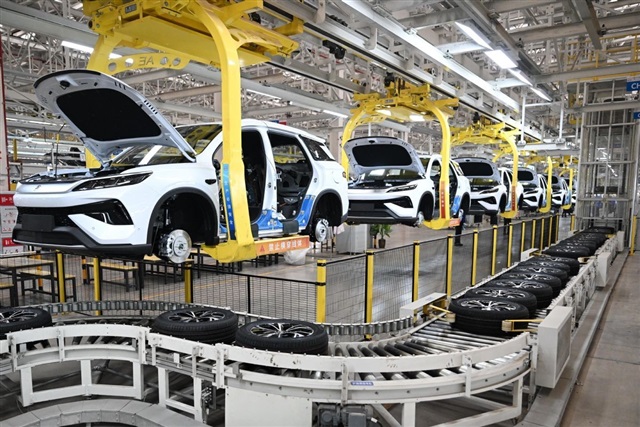
China’s auto market hits a speed bump as November sales fall 8% year over year, the steepest drop in nearly 12 months and the first negative growth since 2023, according to the China Passenger Car Association. After a long run of momentum, the industry is entering a reshuffle phase as earlier incentives fade, competition intensifies, and buyers grow more selective.
What’s behind the sudden slowdown?
– Fading purchase incentives and a pivot toward more market-driven pricing are nudging shoppers to delay decisions, especially with year-end promotions looming.
– A crowded product landscape, particularly in electric and hybrid segments, has led to cautious comparison shopping, with many consumers waiting for refreshed models or deeper discounts.
– Ongoing price competition has trained buyers to expect better deals, stretching the path to conversion and squeezing margins for automakers and dealers.
– Inventory realignments and model transitions can also pull sales forward or push them back, creating uneven monthly results even when underlying demand remains intact.
The reshuffle will separate fast movers from the pack
– Electric and hybrid brands with clear value propositions, strong software features, and reliable charging support are better positioned to hold interest without resorting to steep price cuts.
– Legacy automakers that streamline lineups, emphasize energy-efficient models, and improve connected services can regain momentum as buyers prioritize total cost of ownership.
– Dealers who lean into transparent pricing, trade-in support, financing options, and experiential retail will likely convert hesitating shoppers more effectively.
What this means for prices and promotions
– Expect targeted discounts rather than blanket price slashing as brands protect margins and prioritize profitability over pure volume.
– Software-enabled features, longer warranties, and service bundles may become key levers to win buyers without eroding sticker prices.
– Limited-time promotions around model-year changeovers and holiday periods could pull demand forward, but sustained growth will depend on product strength, not just incentives.
Key signals to watch in the months ahead
– How policymakers guide the transition from broad-based incentives to more focused support for innovation, charging infrastructure, and exports.
– Whether December and Lunar New Year promotions meaningfully lift showroom traffic or simply shift demand between months.
– The pace of new model launches and technology updates, especially in driver assistance, infotainment, range efficiency, and charging speed.
Bottom line
November’s 8% year-over-year decline marks a pivot point for China’s passenger vehicle market. Instead of a sign of structural weakness, the drop looks like a recalibration after years of rapid expansion and aggressive incentives. The winners in this new phase will be brands that compete on product excellence, technology, and ownership value—not just price. As the market reshapes, expect sharper differentiation, more disciplined pricing, and a renewed focus on sustainable growth.