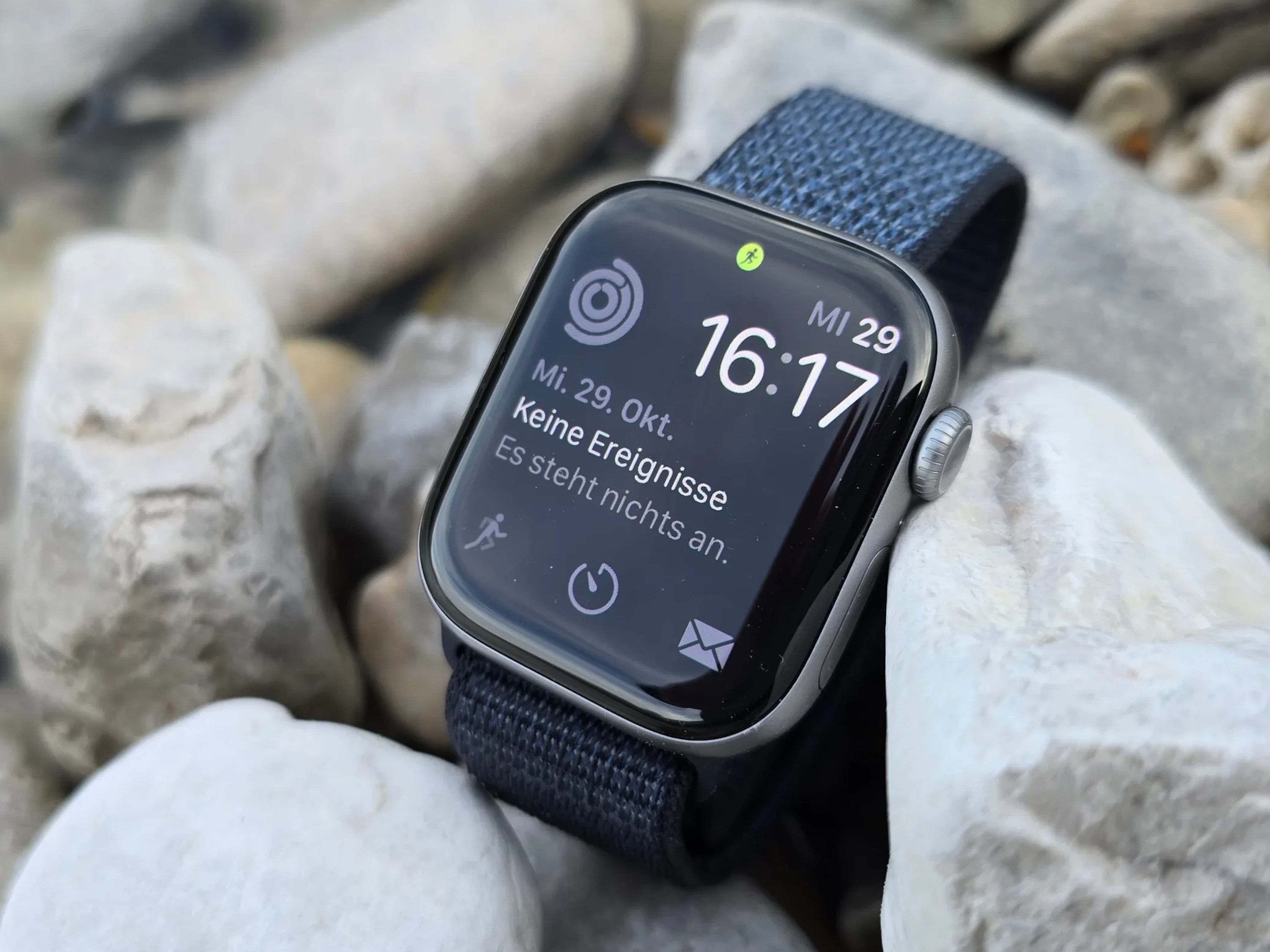
A new randomized study suggests the Apple Watch could play a meaningful role in spotting atrial fibrillation (AFib) earlier, especially in older adults who may not notice symptoms. Researchers compared standard care in the Netherlands—typically routine visits with a general practitioner—to a group of people who wore an Apple Watch, and the results point to a clear advantage for continuous, everyday monitoring.
The study followed 437 participants for six months. Everyone was over 65 and considered at increased risk of stroke, with a median age of 75. While the group size is relatively modest and results could vary with a different patient mix, the findings still highlight a key point: AFib can be intermittent and easy to miss during standard checkups.
After six months, atrial fibrillation was detected in 9.6% of the Apple Watch group, compared with 2.3% in the group receiving standard care alone. That difference was statistically significant. In practical terms, it suggests a wearable can catch more cases of AFib simply because it has more opportunities to do so—many hours a day, across many days—rather than relying on a brief snapshot in a doctor’s office.
The Apple Watch’s detection relied on two built-in tools: its ECG feature and the optical heart sensor (PPG). This matters because AFib doesn’t always show up consistently, and many people don’t feel anything when it happens. The study also indicated the watch could detect asymptomatic AFib, which is especially important since silent episodes can still raise stroke risk.
That said, the research also underlines a major limitation: not every alert is correct. Nearly half of the AFib warnings were false positives. While a false positive isn’t physically harmful, it can cause anxiety and lead to extra appointments or follow-up testing—an important tradeoff for anyone considering wearable-based heart monitoring.
Overall, the study adds to growing evidence that smartwatch heart monitoring can complement traditional healthcare, particularly for people at higher risk who could benefit from earlier detection. The biggest takeaway is simple: routine checkups are valuable, but continuous monitoring may be better suited to catching a condition that can come and go without warning.