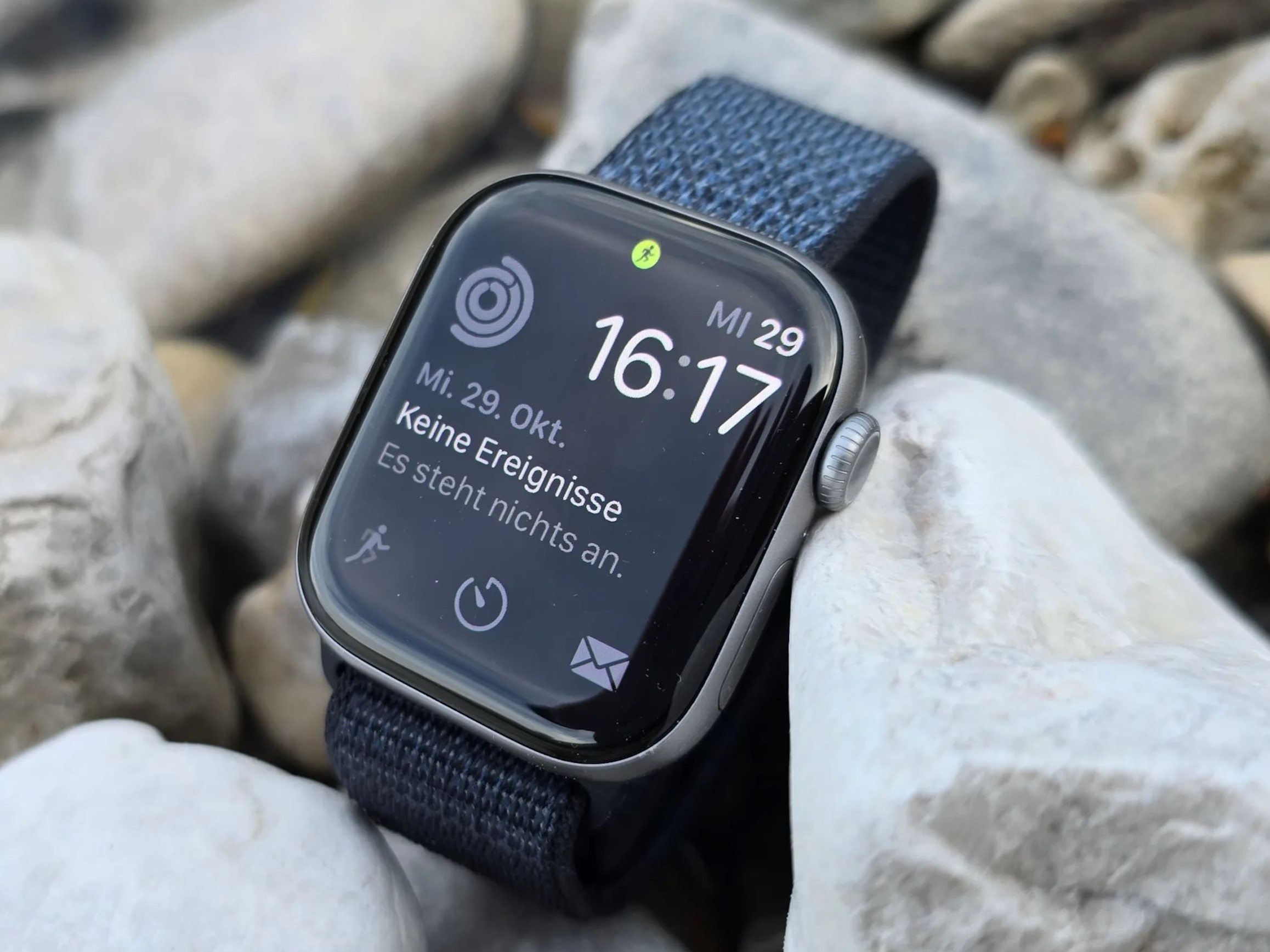
Can your wrist really warn you about a dangerous heart rhythm? A new systematic review suggests many modern smartwatches often flag atrial fibrillation reliably, but understanding what “reliable” means is key.
First, a quick guide to the terms researchers use. Sensitivity tells you how many people who truly have a condition are correctly flagged. Specificity tells you how many healthy people are correctly left unflagged. These two measures are linked: pushing a test to catch more true cases (higher sensitivity) can also scoop up more healthy people by mistake (lower specificity), and dialing in the opposite way can miss real cases. For screening tasks like atrial fibrillation detection, high sensitivity is the priority from an individual’s perspective. A false alarm might mean a longer wait at the clinic and an extra ECG, but that outcome is far preferable to the dangers of missing an actual episode, which can increase the risk of mortality if it goes untreated.
What the new research did was not to run a single experiment, but to gather and analyze many existing studies. In this systematic review, Barrera N and colleagues combined results across a wide range of trials to paint a bigger picture of smartwatch performance. That approach brings important strengths: far more total participants than any one study and a broader look across multiple brands and models.
There are also caveats you should know. The review pools different model variants from each manufacturer, and the number of people tested on any specific device can vary a lot. The individual studies also did not all use the same measurement methods or testing procedures, which can influence outcomes. The paper is currently a preprint, meaning it has not yet undergone peer review. And the wearables market moves quickly—new devices and software updates can shift the accuracy landscape over time.
The practical takeaway is straightforward. Smartwatches are becoming useful first-line screens for atrial fibrillation, often detecting irregular rhythms with a level of sensitivity that makes them valuable as early warning tools. They are not diagnostic instruments. If your watch flags a possible issue, follow up with a healthcare professional for a clinical ECG and proper evaluation. And if you feel symptoms such as palpitations, lightheadedness, or shortness of breath, seek care even if your watch shows nothing unusual.
As research matures and devices evolve, expect clearer numbers on accuracy and better guidance on when and how to act on alerts. For now, treat your smartwatch as a vigilant lookout: great at drawing attention to potential problems, and even better when paired with timely medical confirmation.