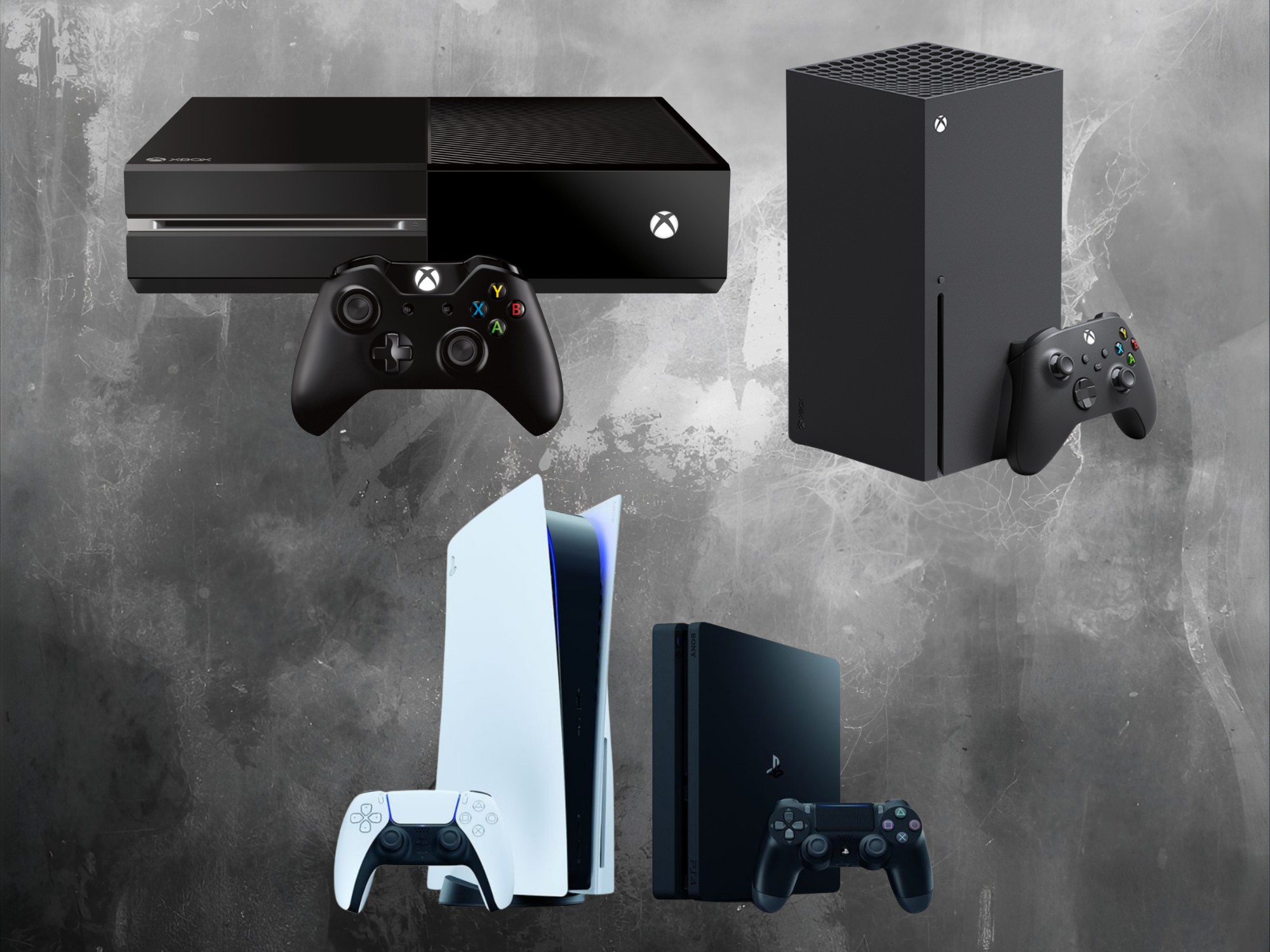
Console sales are slipping behind the last generation, and the gap is widening. Fresh projections from Ampere suggest that by the end of 2026, combined sales of the PS5 and Xbox Series X|S could trail their predecessors by roughly 20 million units. Circana’s U.S. data underpins much of this picture, and similar trends are showing up in global studies.
Price sensitivity and changing player habits are at the heart of the slowdown. Consoles have become more expensive, and as prices climb, younger buyers are hesitating. According to Ampere, older gamers are sticking with the hardware they already own rather than upgrading, while many newcomers are choosing smartphones as a cheaper entry point into gaming. The console audience itself is aging: the average age of console owners in 2024 reached 27.9, nearly four years higher than in 2018.
PC gaming appears to be the beneficiary. Epyllion, an investment strategy firm, reports that revenue from desktop and laptop gaming is growing at a faster clip, helped by a steady flow of former exclusives arriving on PC. With more flagship Xbox and PlayStation titles launching beyond consoles, the must-own rationale for dedicated machines weakens.
It would be easy to pin the downturn on one platform, but the softness goes beyond a single brand. Even when Microsoft’s hardware is taken out of the equation, retailers are still moving fewer units than in the PS4 and Xbox One era. There is a silver lining for manufacturers: higher MSRPs mean that revenue per console is up, pushing overall hardware revenue above past generations. The open question is how long profits can hold if unit sales continue to taper.
Looking ahead, the market may remain subdued until the next wave of systems—think PS6 or a new Xbox—arrives. There are also wild cards that could change the narrative. Circana’s current datasets may not fully reflect the impact of the Nintendo Switch 2’s record-setting launch, and a blockbuster like GTA 6 could nudge many holdouts to finally upgrade.
Bottom line: tougher economics, older buyers, and stronger PC value are reshaping the console landscape. The next two years will determine whether headline exclusives and new hardware can reignite demand—or if the center of gravity keeps drifting toward PC and mobile.