For a long time, getting full HDMI 2.1 features working on Linux with AMD graphics has been a frustrating puzzle, especially for platforms built on open-source software like SteamOS. The reason comes down to licensing: key parts of the HDMI 2.1 specification typically require access under a non-disclosure agreement. That kind of closed arrangement clashes with open-source operating systems, where code is meant to be publicly available.
Now, that roadblock may finally be starting to move. AMD has released a new set of Linux kernel patches that add support for HDMI Fixed Rate Link (FRL), a capability that belongs specifically to HDMI 2.1. FRL matters because it significantly increases available bandwidth, reaching up to 48 Gbps. In real-world terms, that bandwidth jump can make it possible to run 4K displays at up to 120Hz without leaning on extra compression techniques that can degrade image quality.
According to developer discussion surrounding the patches, broader HDMI 2.1 support on Linux-based operating systems is expected “sooner or later,” with a major condition: compliance testing still needs to be completed. That testing step is important because it helps ensure the implementation meets HDMI standards and behaves correctly across a wide range of monitors and TVs.
If and when a full HDMI 2.1 implementation lands in Linux, it could open the door to several features that gamers care about. HDMI Variable Refresh Rate (VRR) could allow a compatible display to dynamically match its refresh rate to a game’s frame rate, reducing stutter and screen tearing. HDMI Auto Low Latency Mode (ALLM) could help cut down input lag by automatically switching a display into a low-latency mode when gaming.
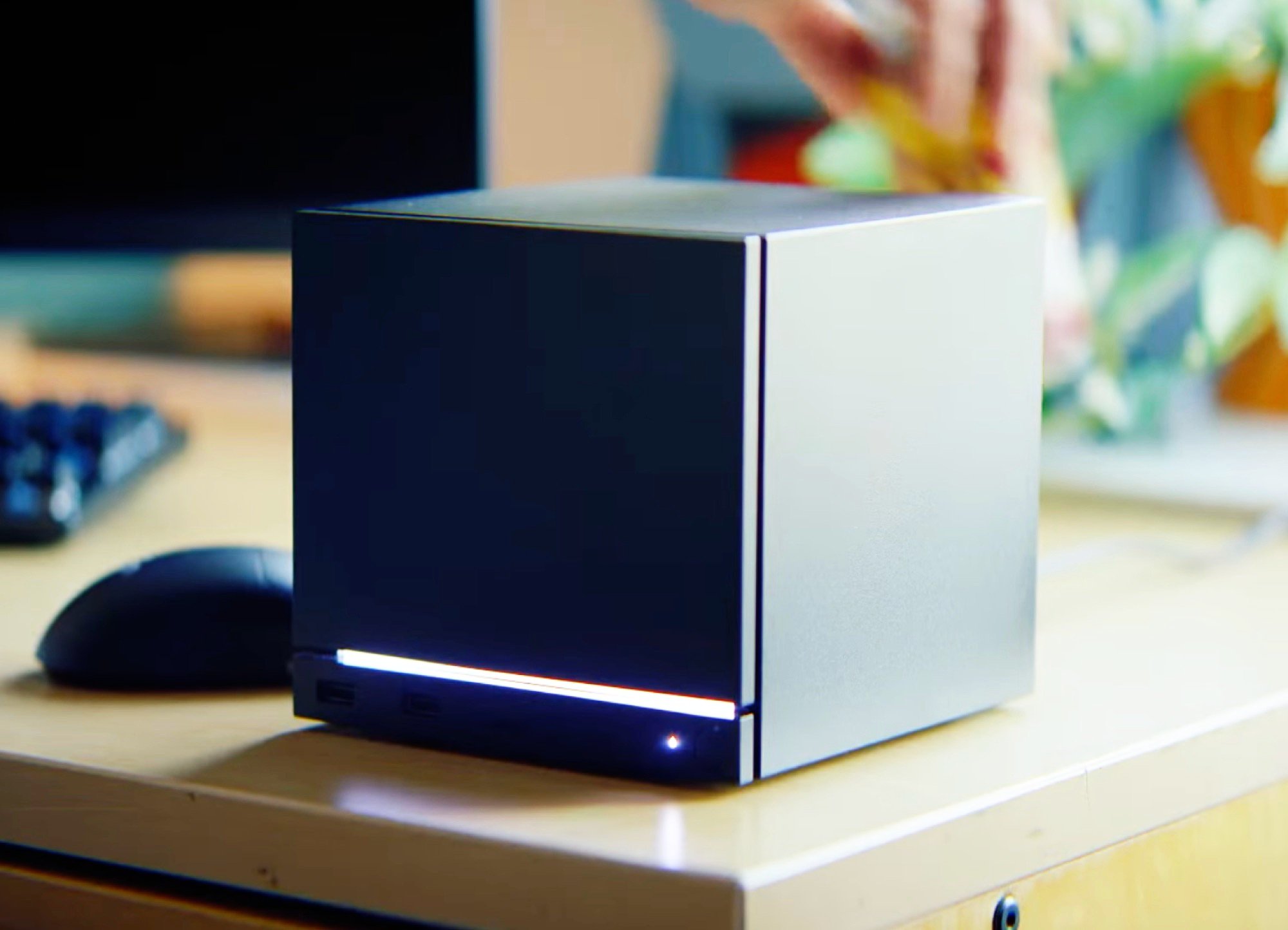
This is particularly relevant to Valve’s Steam Machine messaging right now. The device is still advertised with HDMI 2.0, and while it can output 4K at 120Hz, it does so with limitations such as a reduced color spectrum. HDMI 2.1 support would be a meaningful step up for anyone playing on modern 4K 120Hz TVs and monitors with HDR expectations.
Even if full HDMI 2.1 functionality isn’t ready at launch, it may not be the end of the story. If the underlying hardware is capable, Valve could potentially improve or expand HDMI capabilities later through a firmware update. And since HDMI 2.1 support is already appearing in competing gaming hardware, the bigger challenge may be software readiness and standards compliance rather than the physical ports and chips themselves.
For SteamOS and Linux gaming overall, AMD’s move is a promising signal. It suggests a future where open-source platforms don’t have to compromise on modern display features like 4K 120Hz, HDR-friendly bandwidth, VRR, and lower-latency gaming modes—exactly the upgrades players want when hooking a gaming PC or console-like system to a big-screen TV.