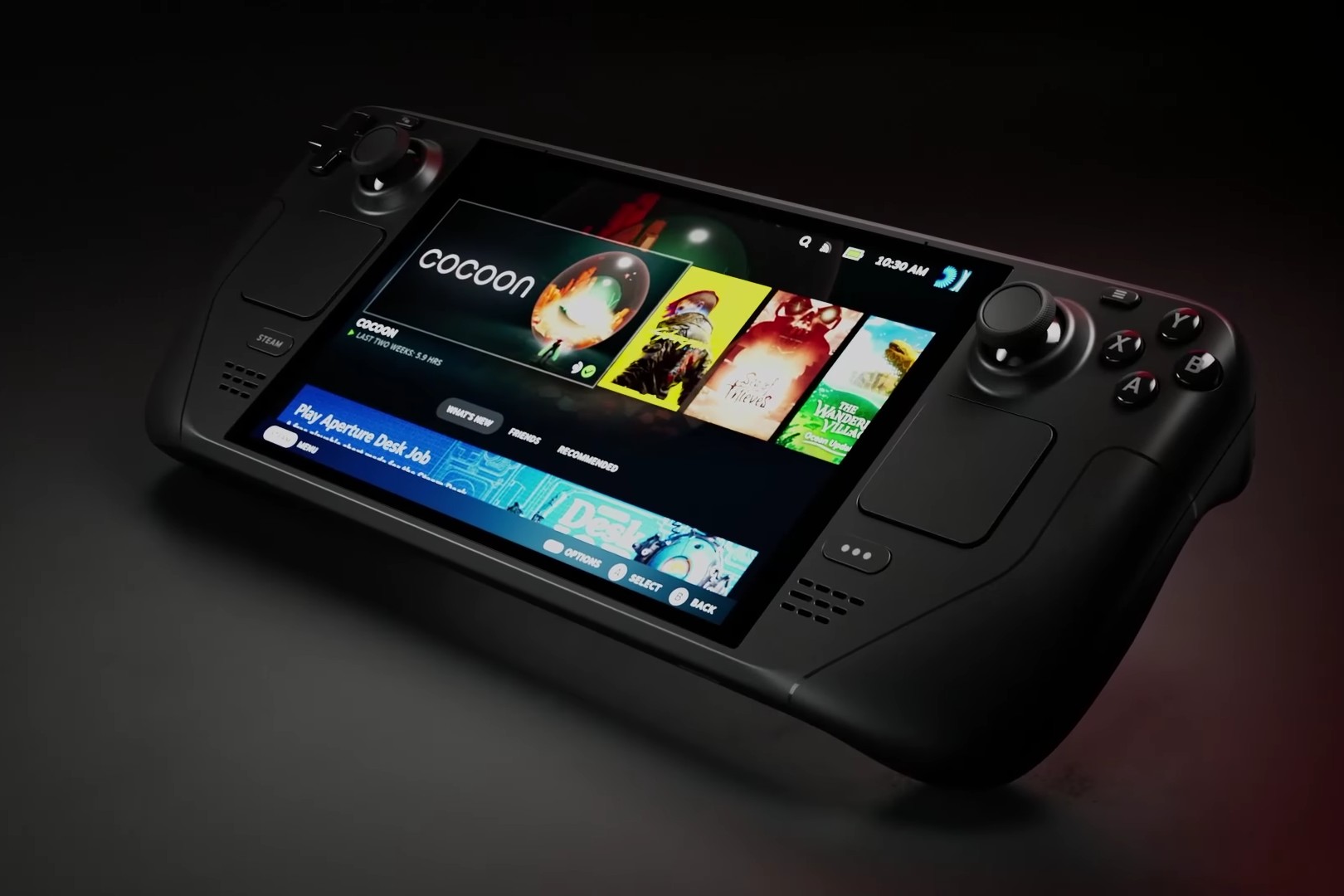
Steam Deck shortages are no longer a regional headache—they’re turning into a global buying problem. After weeks of uneven availability in the United States and parts of Asia, Valve’s popular handheld is now out of stock across large parts of Europe, Canada, and Japan, making it harder for gamers in several major markets to purchase any model at all.
Valve has confirmed the cause: shortages of key memory and storage components in certain regions. What started as occasional stock gaps has escalated into a wider supply squeeze that’s now affecting multiple countries at the same time.
Based on availability checks across Valve’s official store pages, the Steam Deck currently shows as unavailable in countries such as Germany, Austria, Poland, and France, along with other EU markets. Canada and Japan are also impacted. At the same time, some regions are still able to order normally, including Australia, the United Kingdom, Hong Kong, South Korea, and Taiwan—highlighting how uneven the supply disruption has become.
There is one important detail buyers should keep in mind: the Steam Deck LCD model is no longer in production, which explains why it’s effectively gone everywhere. However, the shortage isn’t limited to the discontinued version. The availability problems also extend to the current line, including Steam Deck OLED models, depending on the region.
So when will stock return? For now, the timeline is uncertain. Valve hasn’t shared a worldwide restocking schedule, and the company’s messaging suggests intermittent out-of-stock periods may continue. In some East Asian markets, Valve’s regional partner expects availability to improve by the end of the month, but that estimate does not cover every country currently affected.
The bigger story behind the Steam Deck becoming harder to buy is the ongoing memory and storage crunch tied to the AI data center boom. As major tech companies and hyperscalers pour billions into AI infrastructure, demand has surged for high-bandwidth memory and large amounts of NAND storage to support GPU-heavy AI systems. With AI buyers often willing to pay premium prices, manufacturers are prioritizing those orders—leaving less capacity for consumer electronics like gaming handhelds.
This isn’t happening in isolation. The same pressure has already rippled across the PC ecosystem, hitting RAM and SSD supply first and driving price increases reported as ranging from roughly 2× to 5× compared to last year. Laptop makers have also pointed to higher component costs as a reason for pricing adjustments, and even large consumer tech brands have warned that memory constraints may affect upcoming financial performance as they work to secure supply.
For gamers, the takeaway is simple: the Steam Deck shortage is a real-world example of how AI-driven supply competition is starting to impact everyday devices. And while the Steam Deck may be one of the first handhelds to feel this level of disruption, it may not be the last if memory and storage constraints continue.