SpaceX Falcon 9 rocket stage is expected to crash into the Moon in August 2026
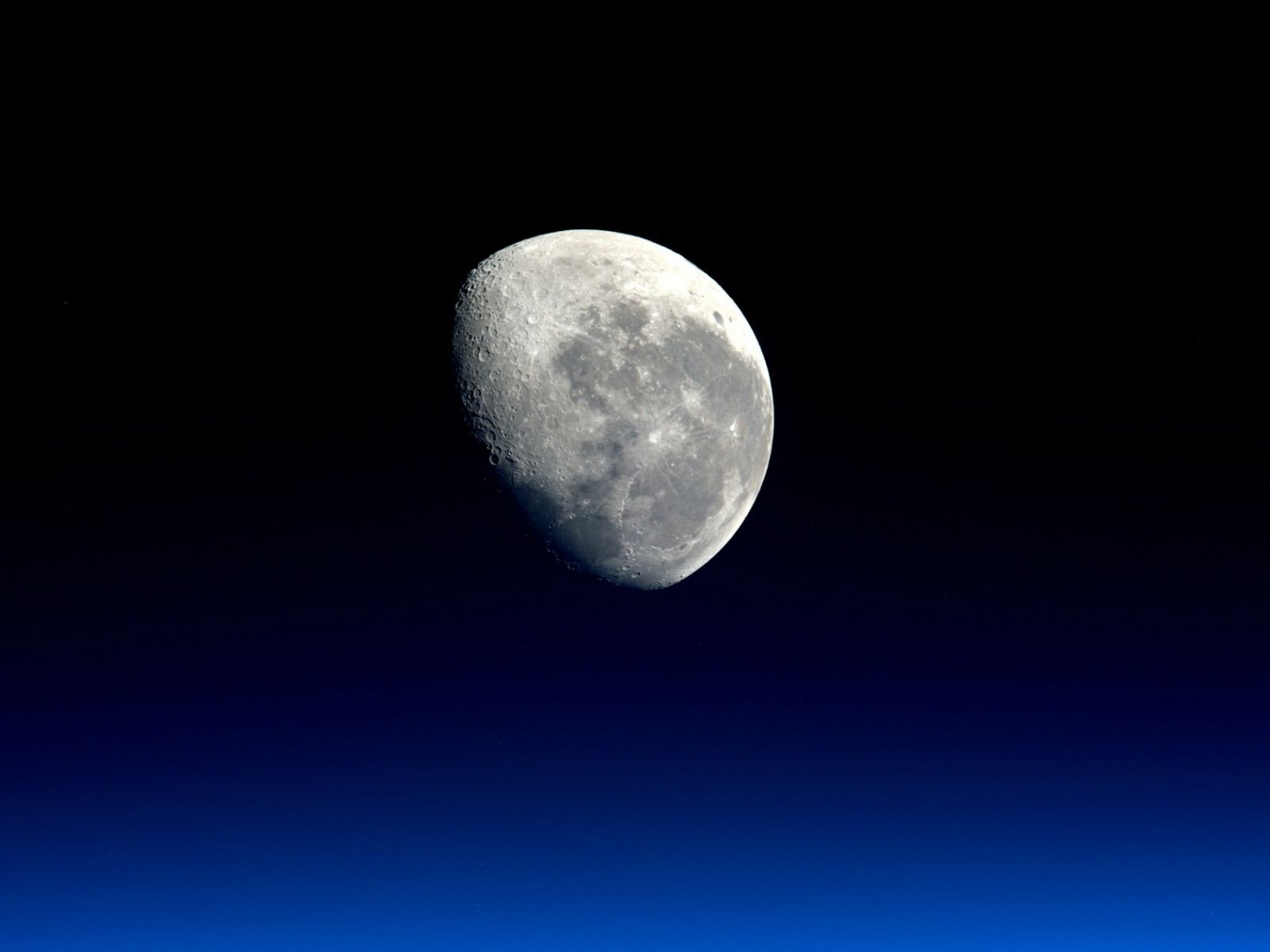
A leftover upper stage from a SpaceX Falcon 9 rocket is on course to collide with the Moon in the coming days, creating a rare skywatching and scientific opportunity. If conditions are right, observers on Earth may be able to spot the brief flash from the impact using a telescope.
The object comes from a SpaceX launch that took place on January 15, 2025, when the Falcon 9 sent two lunar landers toward the Moon. After completing its role in the mission, the rocket’s upper stage was left in space, where it continued moving through the Earth-Moon system before eventually being drawn onto a collision path with the lunar surface.
The rocket stage is estimated to be around 12 meters long and 4 meters wide, with a mass of roughly 4,000 kilograms. It is expected to hit the Moon on August 5, 2026, traveling at about 8,700 km/h. At that speed, the impact should be powerful enough to carve out a new crater on the lunar surface.
Scientists estimate the crash could create a crater about 30 meters wide and around 5 meters deep. The collision is also expected to throw a significant amount of lunar dust and debris into the surrounding area, giving researchers a valuable chance to study how high-speed impacts affect the Moon’s surface.
For skywatchers hoping to see the event, location and weather will be crucial. The impact flash is not expected to be visible with the naked eye. To have a chance of observing it, viewers will need clear skies, minimal light pollution, and a telescope pointed at the correct region of the Moon at the right time.
Astronomers are preparing to monitor the event closely because artificial impacts on the Moon can help improve our understanding of crater formation, lunar geology, and the behavior of debris after a collision. Instruments in lunar orbit may also be able to observe the aftermath, including the Korea Pathfinder Lunar Orbiter, which could provide additional data from above the surface.
While rocket hardware colliding with the Moon is not an everyday event, it offers a useful reminder of how active lunar exploration has become. As more missions travel to and around the Moon, tracking spent rocket stages and other objects in space will become increasingly important.
The Falcon 9 upper stage impact on August 5, 2026, could become a memorable moment for both professional astronomers and dedicated amateur skywatchers. For researchers, it is a natural experiment. For observers on Earth, it may be a brief but fascinating glimpse of human spaceflight leaving a visible mark on the Moon.