SpaceX Starship Flight 14 Set for September 22, 2026, With First Starlink V3 Satellite Deployment
SpaceX is preparing for one of the most important Starship missions to date, with the company targeting September 22, 2026, for the 14th test flight of its next-generation launch vehicle. The mission is expected to mark a major step forward for Starship, as SpaceX aims to place the rocket’s upper stage into a stable Earth orbit for the first time.
The launch is planned from SpaceX’s Starbase facility in South Texas, with a 75-minute launch window opening at 7:15 a.m. Central Time. As with previous Starship flights, the mission remains subject to final regulatory clearance and launch-day conditions.
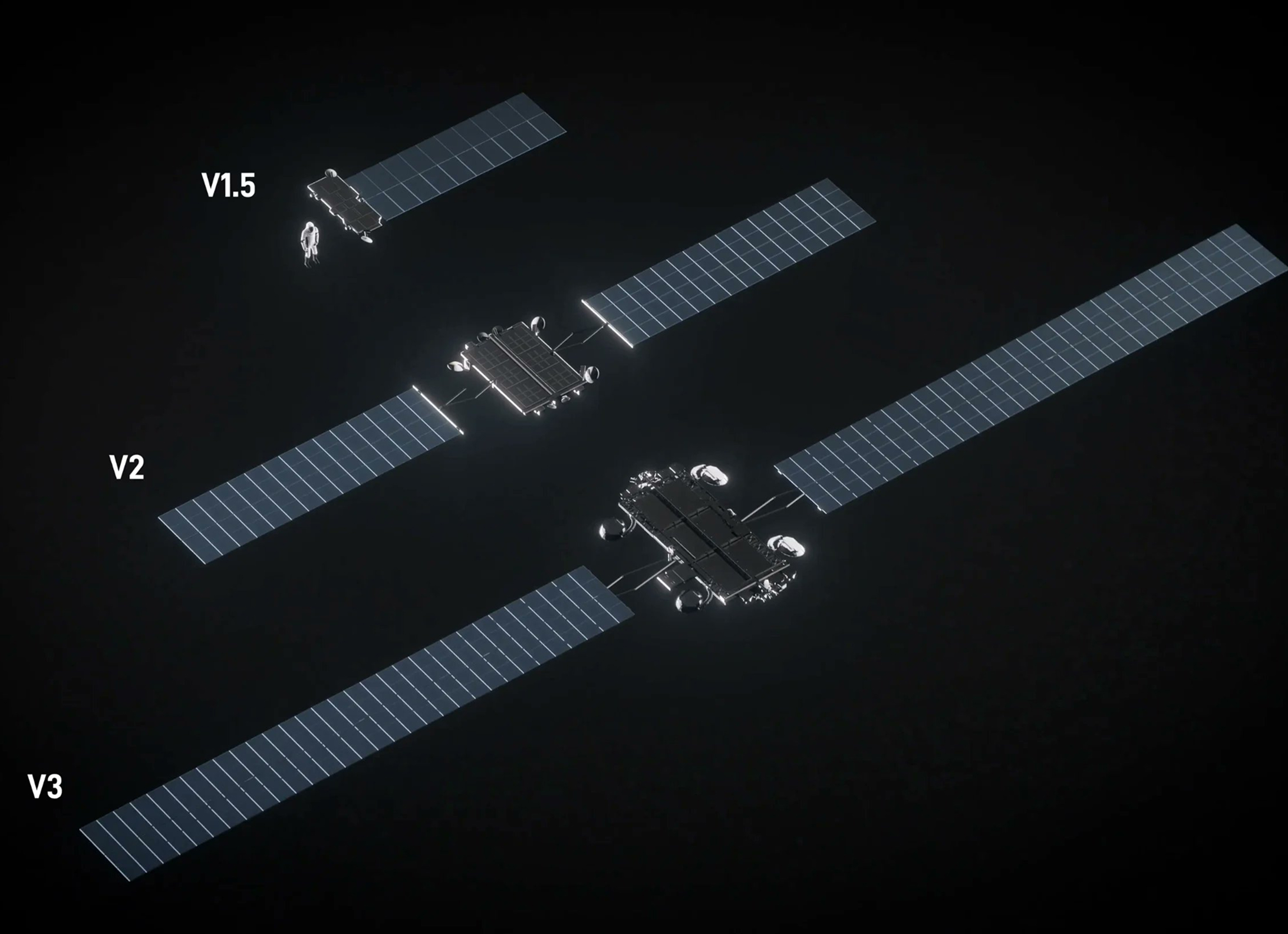
What makes this flight especially significant is that it will not only be a test of Starship’s orbital capabilities, but also a commercial satellite deployment mission. SpaceX plans to carry 26 next-generation Starlink V3 satellites aboard Starship, making this the first operational deployment of the upgraded Starlink hardware using the massive rocket.
The Starlink V3 satellites are expected to deliver a major performance jump compared with the current V2 satellites launched by Falcon 9. Elon Musk has stated that the new V3 design could provide more than 100 times the bandwidth capacity of the existing generation. If achieved, that would represent a huge upgrade for Starlink users and for SpaceX’s global satellite internet network.
A key reason for the dramatic improvement is Starship’s much larger payload bay. Unlike Falcon 9, Starship can carry bigger and heavier satellites, giving SpaceX more room to build powerful spacecraft with improved antennas, greater throughput, and more advanced networking hardware.
The Starlink V3 system is expected to use advanced phased array antennas and high-capacity space lasers. These space-based laser links are designed to create a massive orbital data network, allowing satellites to communicate with one another more efficiently without relying only on ground stations.
This laser mesh network could help Starlink deliver faster and more reliable service across both crowded cities and remote regions. It would also allow the system to adjust data coverage in real time, directing capacity where demand is highest.
For SpaceX, the mission is important on multiple fronts. Successfully reaching orbit would bring Starship closer to becoming a fully reusable orbital launch system. At the same time, deploying Starlink V3 satellites would show that Starship can support SpaceX’s commercial business while continuing its flight-test program.
Unlike some earlier Starship test flights, SpaceX does not plan to attempt a booster catch or upper-stage recovery catch during this mission. Instead, the company will focus on core flight objectives, including liftoff, stage separation, orbital insertion, satellite deployment, and controlled splashdown procedures.
SpaceX has also made hardware and software changes aimed at solving earlier engine restart challenges. These updates will be closely watched, as reliable engine performance in space is essential for future Starship missions, including satellite deployments, lunar missions, and eventual deep-space flights.
If Flight 14 succeeds, it could become a turning point for both Starship and Starlink. A successful orbital mission with a working payload deployment would prove that Starship is moving beyond experimental test flights and toward real commercial operations.
For Starlink customers, the arrival of V3 satellites could eventually mean faster speeds, better coverage, and more network capacity. For SpaceX, it would show that the world’s most powerful rocket is ready to begin transforming satellite internet deployment at a scale Falcon 9 cannot match.
The September 22 mission is now shaping up to be one of the most closely watched rocket launches of 2026. With Starship aiming for its first stable orbit and Starlink V3 satellites ready for deployment, SpaceX is preparing for a flight that could redefine the future of reusable rockets and global broadband from space.