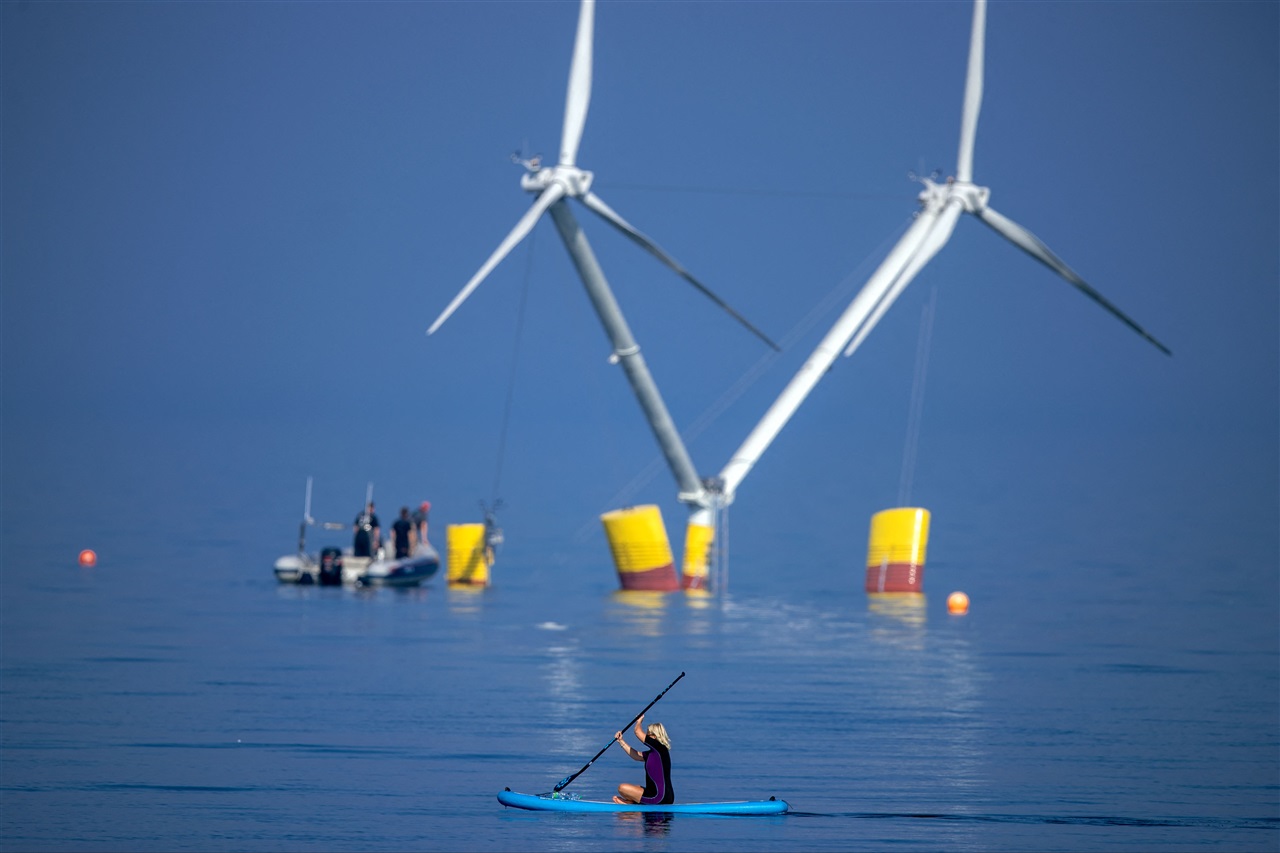
As Asia gears up for a transformative shift in renewable energy production, the emerging market for floating offshore wind power is turning into a battlefield of innovation and ambition. Taiwan and South Korea are leading the charge, setting ambitious goals and pouring resources into the development of this promising sector. With their strategic geographic locations and supportive governmental policies, these two nations are poised to become key players in harnessing the power of the ocean winds.
Floating offshore wind technology, which allows turbines to be placed in deeper waters than traditional fixed-bottom installations, is seen as a game-changer for energy production. It taps into stronger and more consistent wind speeds found further from the coastlines. Recognizing the potential, Taiwan has embarked on a path of rapid expansion, aiming to integrate more floating wind projects into their energy grids. Similarly, South Korea is leveraging its advanced technological infrastructure and expertise in shipbuilding to gain a competitive edge in this growing industry.
In contrast, Japan, despite its early advancements in offshore wind technology, seems to be lagging. Caution and regulatory challenges have slowed down its progress, potentially costing it a prime position in Asia’s clean energy revolution. While Japan continues to debate the balance between tradition and innovation, Taiwan and South Korea are setting sail into the future, determined to harness and dominate the winds that could power a cleaner, greener tomorrow.
For energy investors and stakeholders, Asia’s burgeoning floating wind sector presents not only a lucrative opportunity but also a pivotal moment in the global push towards sustainable energy solutions. As the race intensifies, all eyes are on Taiwan and South Korea as they spearhead this movement, promising to reshape the region’s energy landscape while setting an inspiring example for the rest of the world.