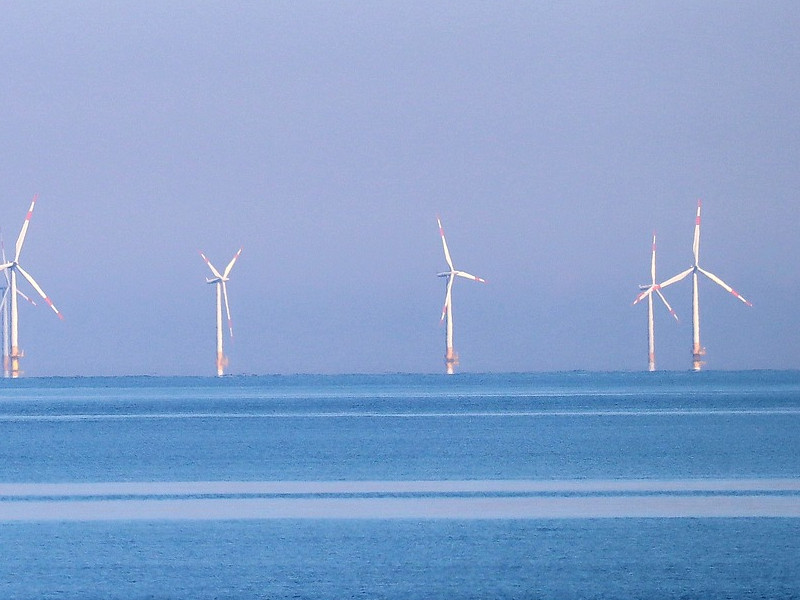
When it comes to renewable energy, the economic viability of offshore wind power is gaining remarkable attention, as highlighted in a study conducted by researchers at Cambridge University. This research delved into the cost-effectiveness of wind power, especially in the context of the United Kingdom, examining the entire lifespan of offshore wind turbines which included initial installation, maintenance, and eventual decommissioning.
A significant finding from the study is the noticeable reduction in the cost of electricity generated from offshore wind farms. Traditionally, electricity from these sources was priced at roughly 160 pounds per megawatt-hour, which translates to about 20 US cents per kilowatt-hour once additional taxes and grid fees were included. Impressively, current rates have plummeted to a mere 44 pounds per megawatt-hour, equating to just 5 US cents per kilowatt hour.
When adjusted for inflation, the cost decline for offshore wind power is even more pronounced. To put this in perspective, the British government’s agreement to purchase energy from the new Hinkley Point C nuclear plant at a rate of 92.50 pounds per megawatt-hour starkly contrasts with the far cheaper offshore wind power rates, showcasing an economic benefit that’s hard to overlook.
The durability of offshore wind turbines has also stood out in the study. These structures have demonstrated exceptional resistance not just to harsh weather conditions, but also to earthquakes and tsunamis, offering a reliable energy source even in the face of natural disasters. Another noteworthy advantage is the independent operation of each turbine, ensuring that the failure of one turbine doesn’t cascade into a wider network failure, an inherent risk with large centralized power plants.
In instances like the Fukushima disaster, the study suggests that the presence of offshore wind turbines could have provided emergency power supply, potentially averting the catastrophe even amidst the damaging effects of the tsunami.
Finally, another point in favor of wind power is its innate resource advantage—wind is a free and abundantly available natural resource. According to estimations, the wind energy potential globally is so vast that it could theoretically exceed the world’s electricity needs by up to 18 times. This demonstrates not just the sustainability of wind as a resource but its capacity to substantially contribute to global energy demands.
In summary, offshore wind power stands out as a formidable and economically superior renewable energy source. It promises a future where clean, sustainable, and affordable energy could become a global reality, highlighting the importance of continued investment and development in this sector.