Sony has quietly rolled out a small but important hardware tweak to recent PlayStation 5 consoles, and it targets one of the PS5’s most talked-about internal design choices: Liquid Metal thermal interface material (TIM).
Liquid Metal is used between the PS5’s main processor (the APU/SoC) and the cooling assembly because it can transfer heat more efficiently than traditional thermal paste. The upside is better cooling potential. The downside is that Liquid Metal is far less forgiving during manufacturing and especially during disassembly. If it shifts or spills, it can lead to messy servicing scenarios and, in worst cases, cooling problems.
PS5 Liquid Metal spillage has been a known concern for certain models, particularly the original “fat” PS5 and some PS5 Slim units (including the CFI-2016 revision). Sony’s design already includes a spacer near the APU area to help keep the Liquid Metal contained, but reports from owners and repair circles suggest that it hasn’t always been enough to prevent issues.
Sony previously introduced a more robust approach with the PS5 Pro, using a revised Liquid Metal application zone and a surface design meant to better control the material. That change helped reduce the risk of leaks and made the overall setup more resistant to shifting over time.
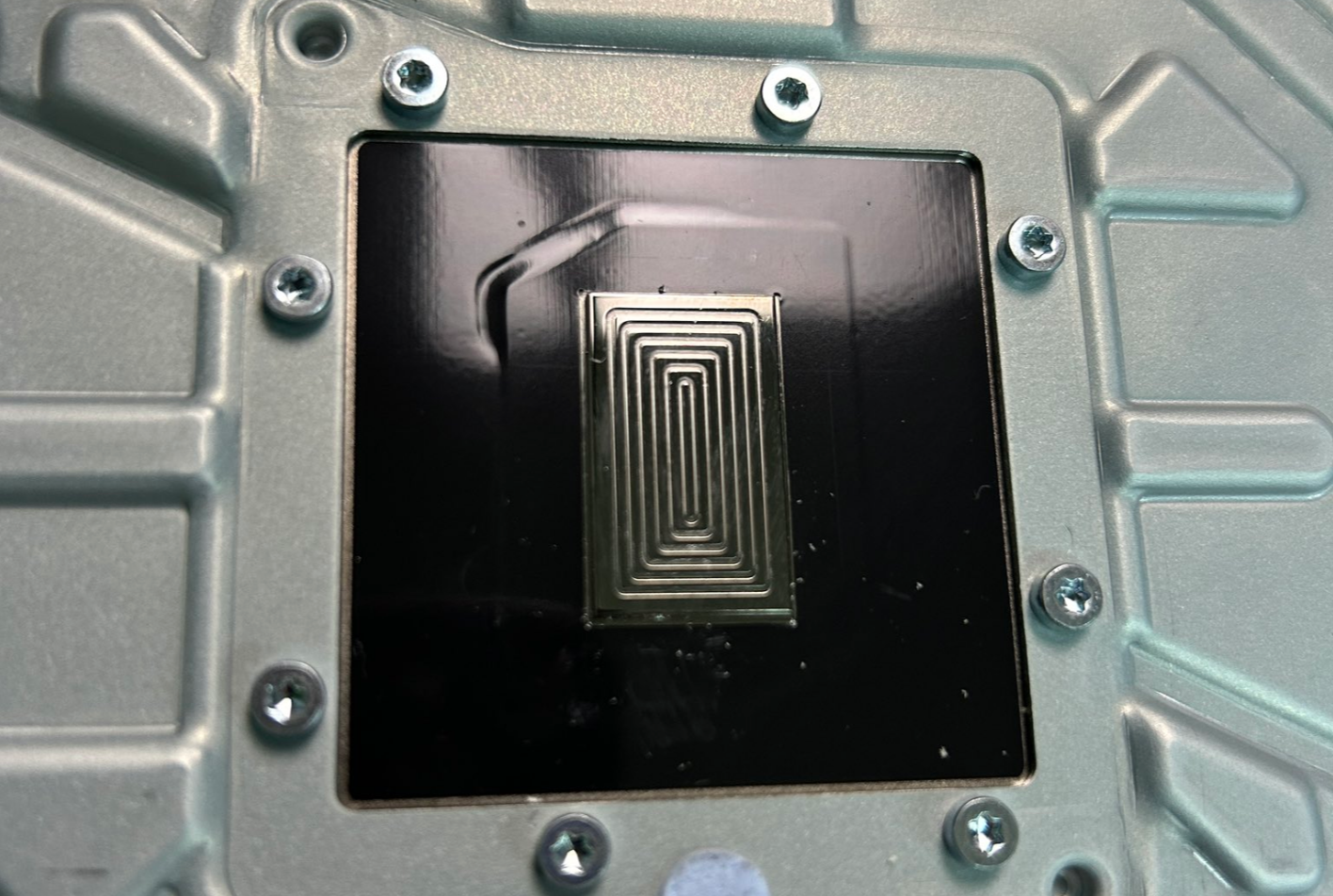
Now, that improved Liquid Metal TIM approach appears to be making its way into newer standard PS5 and PS5 Slim units as well. Recent consoles identified as “CFI-2100/2200” models are reportedly shipping with the updated design. One easy visual clue is the pattern inside the Liquid Metal application area: newer units have engraved lines/grooves, while older models typically have a flatter surface in that same region. The grooves are intended to help keep the Liquid Metal where it belongs, lowering the chance of spillage and potentially improving cooling consistency.
If you already own an older PS5 model, this isn’t automatically a reason to panic. If your console is running normally and you’re not seeing overheating, shutoffs, or unusual fan behavior, it’s generally best to leave it alone. Liquid Metal handling is delicate, and opening the console or attempting a reapplication without experience can create more problems than it solves. If overheating or instability does show up, a professional repair shop is the safer option for inspection and Liquid Metal reapplication.
If you’re shopping for a new system and want the revised internal design, look specifically for newer hardware revisions. The “CFI-2116 B01Y” model number is one example mentioned as a target for buyers wanting the updated Liquid Metal TIM revision.
For anyone comparing PS5 models, the takeaway is simple: Sony is refining the PS5’s cooling solution behind the scenes. The change isn’t flashy, but it addresses a real-world reliability concern and should make the newest PS5 and PS5 Slim units even more dependable over the long run.