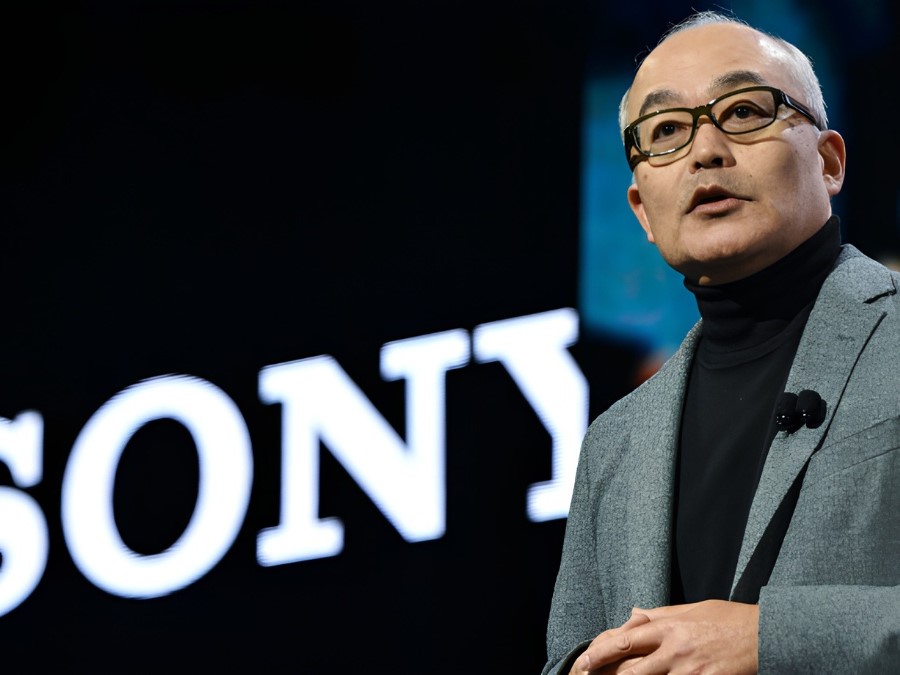
Sony’s Move Away From Physical PlayStation Games Sparks Backlash as Executives Sell Shares
Sony’s reported decision to phase out physical PlayStation game releases has become one of the most debated topics in gaming. According to the announcement, starting in January 2028, new PlayStation titles will no longer receive physical disc releases, marking a major shift toward an all-digital future.
The move has triggered strong reactions from PlayStation fans, collectors, and game preservation advocates. Many players are worried about what this means for long-term ownership, resale rights, access to older games, and the future of physical media in the gaming industry.
Adding more attention to the situation, several Sony executives reportedly sold portions of their company shares shortly after the PlayStation physical games announcement.
Sony CEO Hiroki Totoki reportedly sold 225,000 shares, valued at around $4.73 million. The transaction is said to have taken place two days after PlayStation revealed its plan to leave the physical games market. His sale was the largest among the reported transactions.
Other senior Sony executives also reportedly sold shares around the same period. Chief Strategy Officer Toshimoto Mitomo sold 25,000 shares worth about $525,500. Sony Pictures Entertainment CEO Ravi Ahuja sold 36,826 shares valued at roughly $776,300. Sony Music Publishing CEO Jon Platt sold 16,512 shares worth approximately $348,900.
While executive stock sales can happen for many reasons and do not necessarily indicate concern about a company’s future, the timing has raised eyebrows among investors and gamers. The fact that multiple high-ranking executives sold shares after such a controversial PlayStation announcement has fueled discussion across the gaming community.
For many players, the bigger issue remains Sony’s digital-only direction. Physical game discs have long been important to collectors and fans who prefer true ownership over digital licenses. Physical releases also allow players to trade, lend, resell, and preserve games without relying entirely on online stores or server availability.
The shift away from physical PlayStation games could reshape how players buy and access future titles. A fully digital model may offer convenience, faster access, and lower distribution costs for publishers, but it also raises concerns about pricing control, account restrictions, delistings, and the loss of second-hand game markets.
Despite growing backlash, reports suggest Sony is unlikely to reverse course. The company has reportedly been preparing for a broader all-digital PlayStation future for some time, and the 2028 timeline appears to be part of a longer-term strategy.
For now, PlayStation fans are watching closely to see whether Sony responds to the criticism. The debate over physical vs digital games is far from over, and this decision could become a defining moment for the future of console gaming.