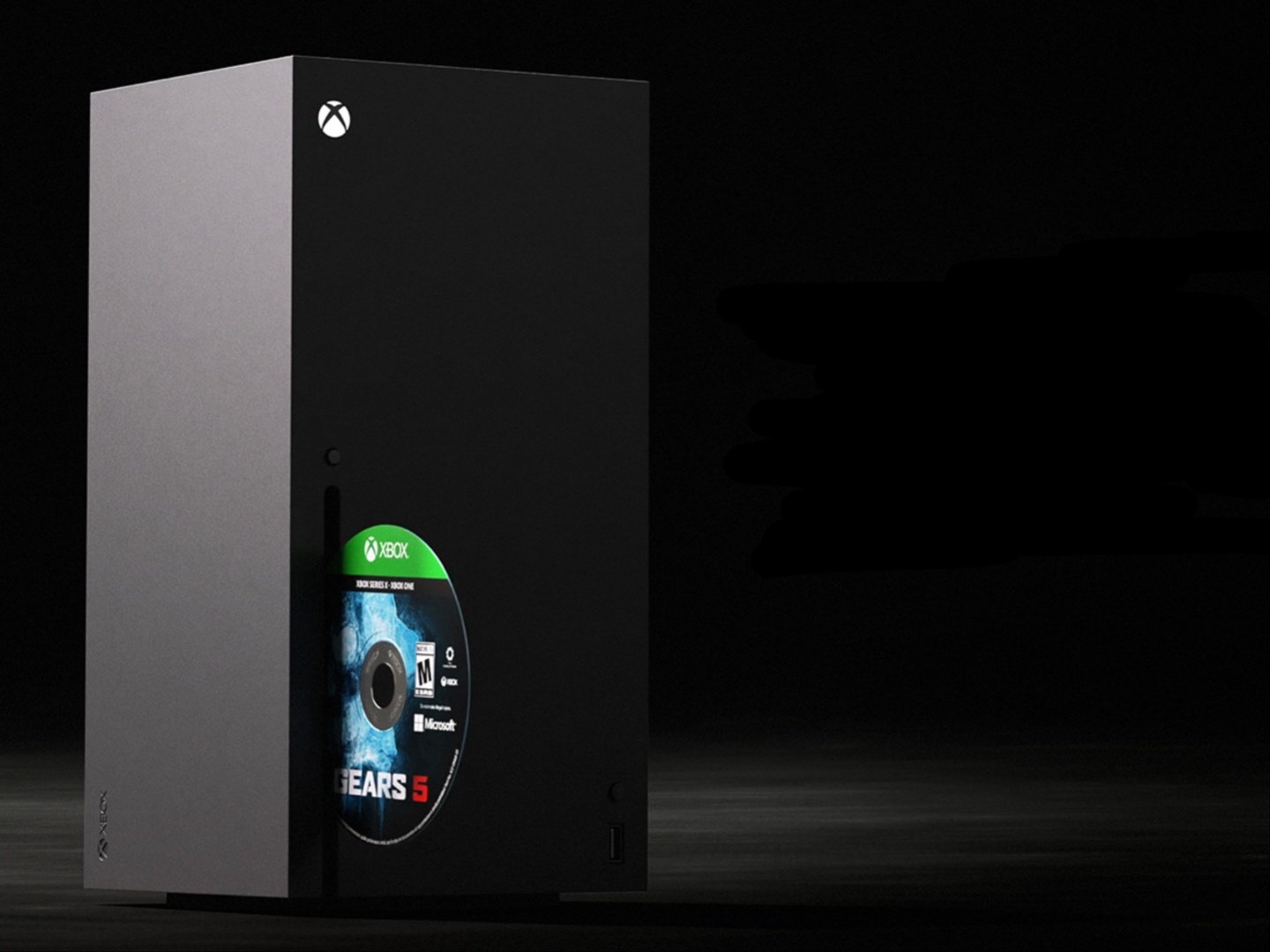
Xbox’s disc-to-digital plan may finally deliver the digital ownership future fans wanted
Microsoft’s Xbox strategy has been under intense attention as the company continues to reshape its gaming business, both behind the scenes and for everyday players. Among the most interesting developments is the Xbox disc-to-digital program, a feature that could let players convert eligible physical Xbox games into digital licenses.
While this may sound like a modern response to the decline of physical media, the idea is far older than many fans realize. In fact, Microsoft’s broader vision for disc-to-digital game ownership reportedly dates back around 15 years, long before today’s current-generation Xbox consoles made the feature possible.
Before the Xbox One launched in 2013, Microsoft had explored an ambitious plan for a more flexible digital gaming ecosystem. The idea was not simply to push players away from discs. Instead, the company had considered features that could have made digital ownership feel more like physical ownership.
That original vision reportedly included the ability to recycle digital games, gift games to other players, and visit retail stores to convert physical Xbox discs into digital versions. In theory, this would have allowed players to keep the convenience of digital libraries while preserving some of the freedom traditionally associated with owning a disc.
However, the plan had one major problem: it required the Xbox One to remain always online. That requirement sparked heavy criticism from gamers, who were concerned about ownership, access, preservation, and what would happen if an internet connection was unavailable. The backlash was strong enough that Microsoft reversed course before the console’s release, abandoning much of its early digital strategy.
Even so, one important piece of that plan remained. Microsoft prepared Xbox One game discs with unique serial numbers, a decision that seemed minor at the time but has become far more important years later. Those unique identifiers are now believed to be part of what allows newer Xbox consoles to recognize eligible physical Xbox One and later discs and convert them into digital licenses.
That means the current Xbox disc-to-digital program is not just a sudden experiment. It may be the delayed arrival of a much larger idea Microsoft had been building toward since the early 2010s.
For players, the appeal is easy to understand. Physical games take up shelf space, discs can be damaged or lost, and many new consoles are moving toward digital-first designs. A disc-to-digital conversion system could help players protect their existing game collections while preparing for a future where disc drives may become less common.
Microsoft has not officially outlined a complete long-term roadmap for the program. Still, the timing is significant. The gaming industry is clearly moving toward digital distribution, and physical game production has become less central than it once was. Fewer manufacturers are involved in disc production, and publishers increasingly focus on digital sales, subscriptions, and cloud-based access.
Unlike Sony, Microsoft has not clearly announced an all-digital future for Xbox hardware. However, the industry trend is difficult to ignore. Future consoles, including Microsoft’s rumored Project Helix and Sony’s next PlayStation generation, may place less emphasis on physical media or potentially leave disc drives behind altogether.
If that happens, Microsoft’s disc-to-digital program could become a major advantage. Many players are hesitant to abandon physical games because they worry about losing ownership rights, resale options, or the ability to share games with friends and family. If Microsoft can create a system that respects those concerns, it could win back trust from fans who have been skeptical of an all-digital future.
The biggest opportunity lies in making digital games feel more flexible. Converting physical discs into digital licenses is only one step. The original plan was much broader. It imagined a world where players could buy, gift, trade, transfer, or possibly resell digital games in a way that felt fair and practical.
That would be a major shift for the industry. Today, digital game ownership is often limited. Players can usually download and play a game tied to their account, but they cannot easily transfer that license to someone else. Used digital games are not a standard option. Digital gifting exists in some forms, but it remains far more restricted than simply handing a physical disc to another person.
For Microsoft to fully revive its original vision, it would need cooperation from publishers. Licensing remains the biggest challenge. Every publisher has its own business interests, pricing strategies, regional rules, and concerns about secondhand sales. While several major publishers already support parts of the disc-to-digital program, not every company may be willing to participate in a wider system that allows license transfers, resale, or more open gifting.
That is where the real difficulty begins. A consumer-friendly digital future would require clear rules across the Xbox ecosystem. Players would need to know which games are eligible, how conversions work, whether converted games can ever be transferred, and what happens if a title is delisted. Without transparency, the program risks feeling limited rather than revolutionary.
Still, the potential is huge. If Microsoft can turn disc-to-digital conversion into a broader digital ownership platform, Xbox could stand out in a market where players are increasingly worried about control over their game libraries. A well-designed system could offer the convenience of digital downloads while keeping some of the freedom that made physical games so appealing.
For now, Xbox fans will have to wait and see how far Microsoft is willing to take the idea. The foundation appears to have been laid many years ago, and the company now has a rare chance to revisit a plan that may have been ahead of its time.
The original Xbox One digital strategy failed because players did not want restrictions forced on them. But a modern version, built around choice, preservation, gifting, and fair ownership, could be received very differently. If Microsoft gets it right, the Xbox disc-to-digital program could become more than a convenience feature. It could become one of the most important steps toward a better digital future for console gaming.