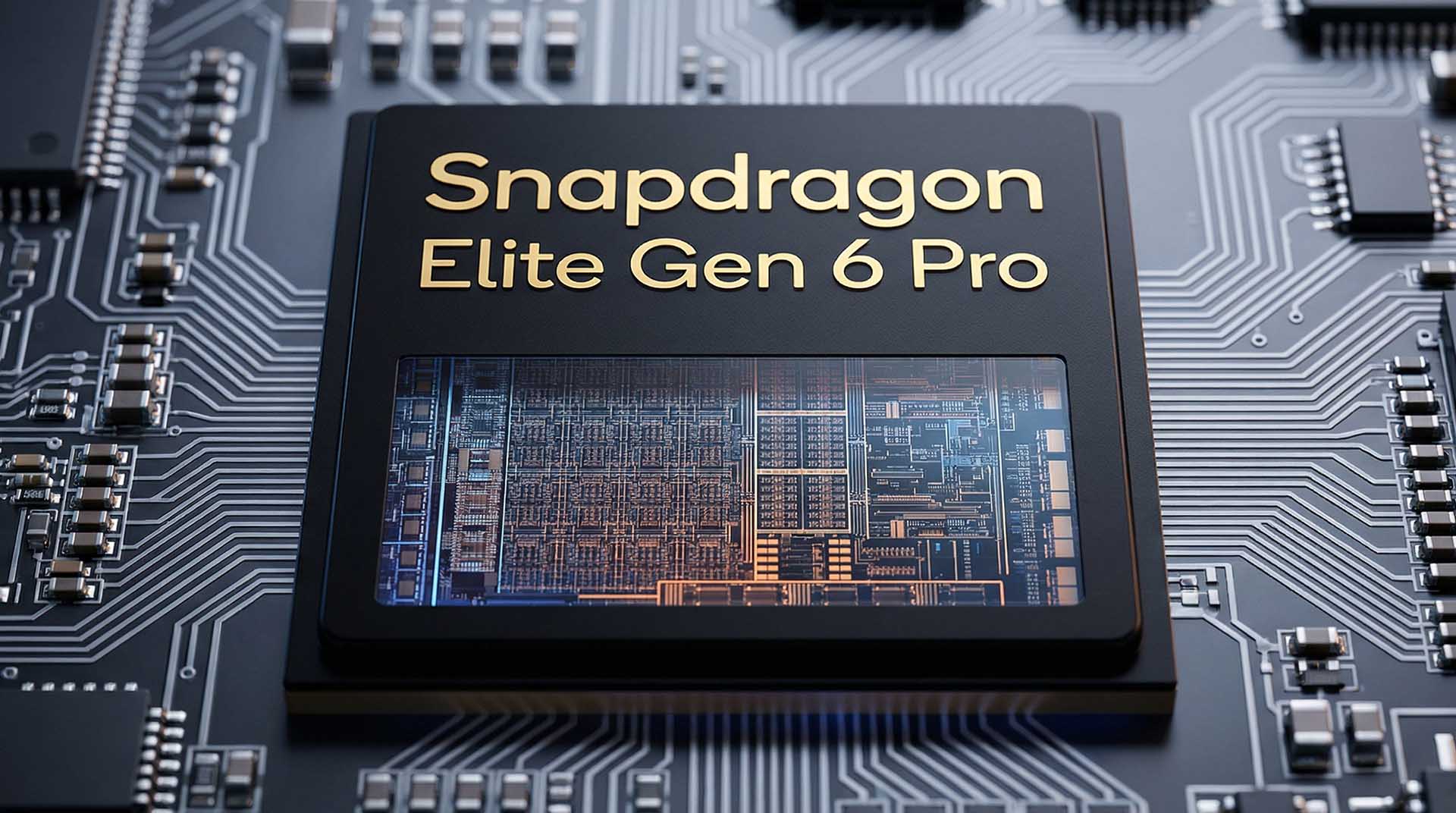
Qualcomm’s next-generation flagship chip, the Snapdragon 8 Elite Gen 6 Pro, is already shaping up to be a major step forward—especially for cache and overall responsiveness. A new rumor suggests the company is preparing a more advanced CPU layout and a larger shared L2 cache than any smartphone chipset to date, which could translate into faster performance without needing to rely solely on higher clock speeds.
The Snapdragon 8 Elite Gen 5 was considered a meaningful upgrade over the previous generation thanks in part to its 12MB shared L2 cache across two CPU clusters. Now, a well-known tipster claims the Snapdragon 8 Elite Gen 6 Pro will move to a triple CPU cluster design described as “2 + 2 + 3.” That change could enable a bigger shared L2 cache configuration—reportedly 16MB—giving the processor more fast-access memory close to the cores.
Why does that matter? L2 cache plays a key role in cutting latency, improving efficiency, and keeping performance consistent under load. With more L2 cache available, the CPU can retrieve data faster and avoid reaching out to slower memory as often. That can help the cores finish tasks sooner and spend less time active, which is a common recipe for better power efficiency and improved sustained performance.
The rumored cache and memory details also suggest Qualcomm is keeping some parts of the platform consistent while upgrading what may have been the most important bottleneck. According to the same leak, the Snapdragon 8 Elite Gen 6 Pro is expected to retain 8MB of system-level cache (SLC) and 18MB of GPU memory, similar to what’s reported for the Snapdragon 8 Elite Gen 5. The big change is the L2 cache increase and the move to the new three-cluster CPU layout.
If this leak is accurate, users could feel the improvements in everyday use. Apps may load faster and multitasking could feel smoother thanks to quicker access to frequently used data. Gaming performance could also benefit: lower latency and faster data access can help demanding titles maintain steadier frame rates and improve responsiveness, particularly in games that stream high-resolution textures or rely on rapid CPU-to-GPU coordination.
There’s also another performance booster on the horizon: LPDDR6 memory support is expected to be part of the Snapdragon 8 Elite Gen 6 Pro package, which would increase overall memory bandwidth. Combined with a larger L2 cache, that could make the chip better equipped for heavy multitasking, on-device AI features, and next-gen mobile gaming workloads.
One open question is why the SLC cache and GPU memory aren’t increasing alongside the L2 cache. A reasonable explanation is that Qualcomm may see L2 capacity as the main constraint worth addressing this cycle, while other cache tiers and GPU memory are already “good enough” for the performance targets. Of course, the real story will emerge once early benchmarks and real-world devices arrive.
Still, there’s one potential concern enthusiasts will be watching closely: power draw. If Qualcomm pursues aggressive clock speeds again, the gains from larger cache and efficiency tweaks could be offset by higher heat and battery consumption. The hope is that the Snapdragon 8 Elite Gen 6 Pro leans into smarter performance—higher efficiency and lower latency—rather than simply pushing frequencies to the limit.
For now, the rumored 16MB shared L2 cache and new triple-cluster CPU design place the Snapdragon 8 Elite Gen 6 Pro among the most anticipated smartphone processors on the roadmap, with the potential to deliver faster, smoother performance across apps, gaming, and daily use.