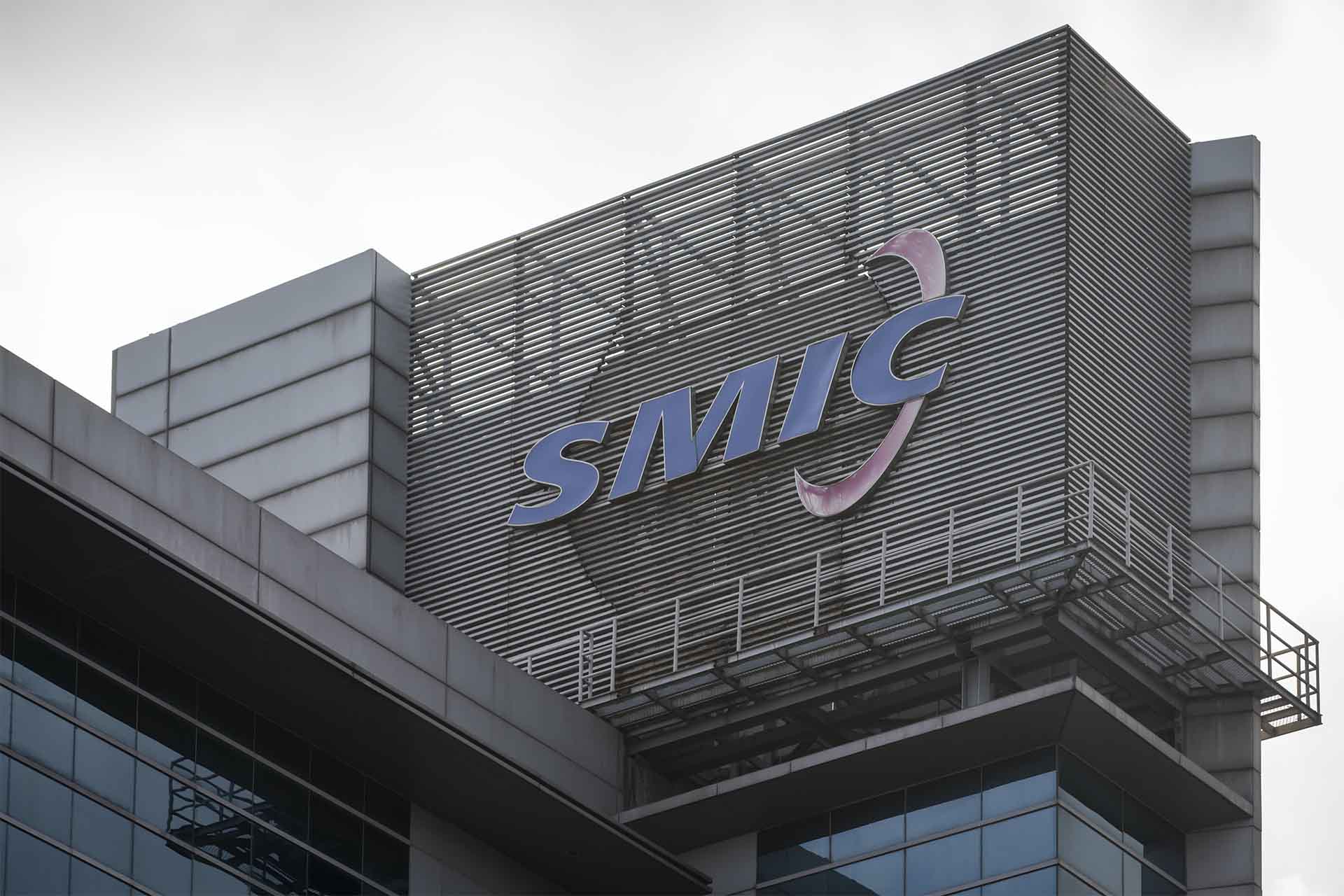
China’s biggest chip foundry, SMIC, is sounding the alarm over a problem that’s quickly becoming one of the most disruptive forces in tech manufacturing: DRAM shortages. According to company leadership, the ongoing lack of memory chips isn’t just squeezing a few product categories—it’s rippling across supply chains and pushing some customers to consider cutting back their chip orders altogether.
SMIC argues that pulling back on foundry orders right now could be a costly mistake, especially for companies building smartphones, PCs, and other consumer devices that rely heavily on stable component supply. The company says the current “memory supercycle” has thrown planning into chaos, with customers feeling the impact from both memory-related chips and power-related chips being in tight supply. In simple terms, many manufacturers are scrambling to secure enough memory to keep production lines moving.
One factor making the DRAM shortage even more intense is behavior within the supply chain itself. SMIC noted that some intermediaries have been stockpiling memory, betting they’ll be able to resell it later at higher prices during this undersupplied period. If that stockpiled inventory gets released once new capacity comes online, the market could shift quickly—potentially easing shortages, but also creating sudden changes in availability and pricing.
Even with today’s shortages, SMIC emphasizes that memory suppliers are actively expanding capacity. The expectation is that the industry will gradually improve supply over time, with more meaningful DRAM output increases projected by 2027. Still, the period between now and then remains tricky, and SMIC is warning customers not to overreact by cancelling or reducing chip orders. The reason is straightforward: once memory supply stabilizes and device demand rebounds, fabrication lines could already be fully booked. Companies that cut orders now may find themselves stuck later—ready to build products, but without enough chips reserved to do it.
SMIC’s message is focused on timing risk. If demand picks up and additional memory capacity arrives later in the year, manufacturers that scaled back too much could be left without enough processors and supporting chips to pair with newly available DRAM. That mismatch could translate into missed product launches, delayed shipments, and lost sales opportunities.
For chipmakers and foundries, the DRAM shortage brings a different kind of threat. Even if a foundry can make enough processors, customers may not be able to turn those chips into finished products if memory supply stays constrained. That means the shortage can cap real-world output for phones, PCs, and other electronics, regardless of how many non-memory chips are available.
The big question now is how long these DRAM supply constraints will remain a serious limiter—and whether shortages will expand beyond consumer electronics into more industries. With AI hardware demand continuing to surge and memory remaining a critical ingredient, the competition to secure DRAM isn’t cooling off. For manufacturers trying to plan their next quarters, SMIC’s warning is clear: cutting chip orders might feel like a safe move during uncertainty, but it could also put companies at the back of the line when the supply picture finally improves.